A Simple Eye Exercise May Be the Key to a Calmer Mind and Better Sleep
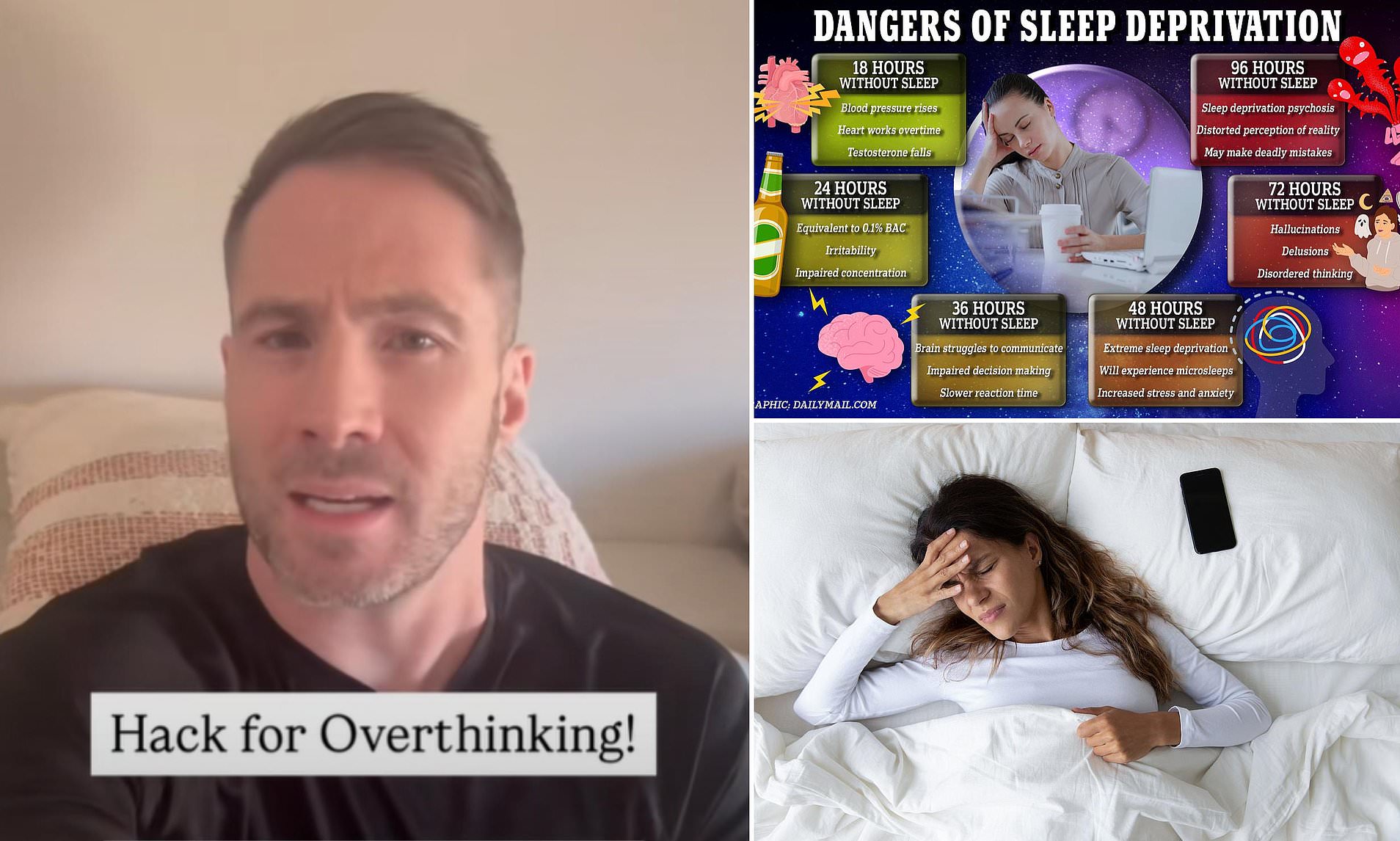
Disturbed sleep and an overactive mind at bedtime are common struggles for many. However, a US-based emergency room physician believes he has uncovered a straightforward, one-minute technique that could significantly alleviate these issues by promoting a sense of calm. The method, dubbed the ‘Infinity Tracing Technique’, focuses on controlling eye movements to help “fool” the body into a relaxed state.
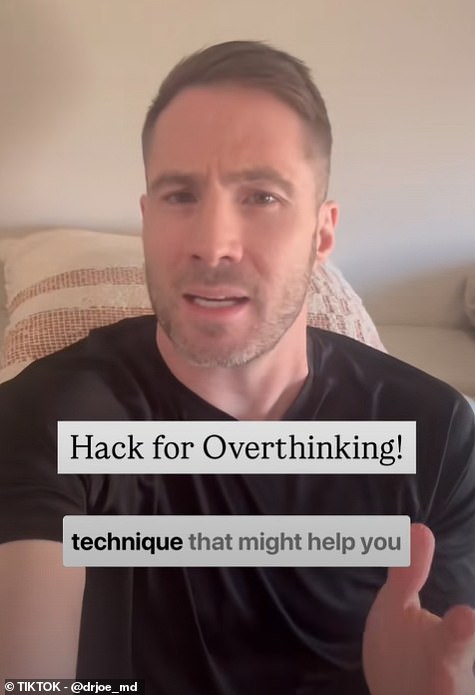
Dr. Joe Whittington, the physician behind the technique, shared his discovery in a popular social media video that has garnered over 20,000 views. He explained that for those who find their minds racing at night, replaying embarrassing moments or worrying about the day ahead, this simple exercise could offer relief.
The ‘Infinity Tracing Technique’ involves extending a finger into the air and slowly tracing the infinity symbol (∞) with your eyes, following the movement exclusively with your gaze. Dr. Whittington elaborates, “As you’re tracing this infinity symbol, you’re going to just follow it with your eyes — only your eyes.”
The Science Behind the Calm
This seemingly simple act has a profound effect on the brain. Dr. Whittington explains that the movement activates the vestibular system, a crucial component of our inner ear responsible for balance and eye movements.
According to the National Health Service (NHS), the vestibular system is stimulated by various types of motion, including up and down, backward and forward, and rotational movements. The NHS itself suggests that gentle, slow, and predictable movements are effective strategies for calming a sensitive vestibular system.
While Dr. Whittington emphasizes that his technique is not a substitute for professional medical advice or treatment, it has resonated with many who have praised its effectiveness in quieting the nightly onslaught of intrusive thoughts.
Parallels with Therapeutic Practices
Interestingly, users on social media platforms have drawn comparisons between the ‘Infinity Tracing Technique’ and Eye Movement Desensitization and Reprocessing (EMDR) therapy. EMDR is a recognized psychological treatment that has demonstrated success in reducing the symptoms of Post-Traumatic Stress Disorder (PTSD).
One user commented, “That’s almost the same thing as EMDR. Science behind it is fascinating!” Another echoed this sentiment, calling it “DIY EMDR therapy,” while a third noted, “Sounds like the same science behind EMDR therapy.”
EMDR therapy, recommended by the National Institute for Health and Care Excellence (NICE) in the UK, utilizes either side-to-side eye movements or alternating tapping to help individuals process distressing memories. The underlying theory is that this bilateral stimulation helps to engage both hemispheres of the brain, facilitating access to the subconscious and the processing of stored information and its emotional impact.

Understanding Sleep Challenges and Recommendations
The struggle for a good night’s sleep is widespread. The Sleep Foundation reports that individuals typically take between 10 to 20 minutes to fall asleep after turning off the lights. However, a significant portion of the population experiences more persistent sleep difficulties. Last year, a study indicated that approximately one in six people in Britain suffer from insomnia, with a staggering 65% never seeking professional help.
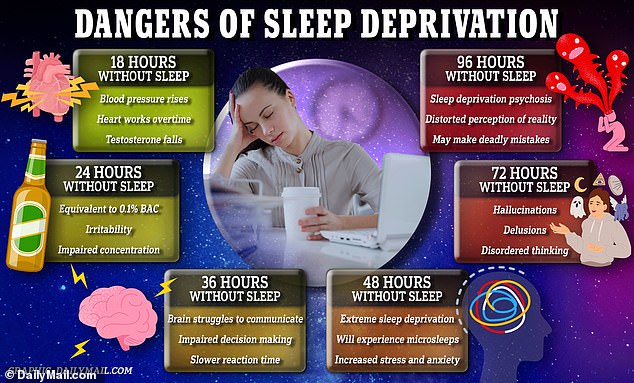
This issue is not confined to the UK. According to the American Sleep Association, nearly 70 million Americans also grapple with a sleep disorder. The consequences of insufficient sleep are far-reaching, impacting both mental and physical health. Short-term effects include irritability and reduced concentration, while chronic sleep deprivation has been linked to an increased risk of serious health conditions such as obesity, heart disease, diabetes, cancer, stroke, and infertility.
Essential Sleep Duration Guidelines
Understanding how much sleep is considered adequate for different age groups is crucial for maintaining overall health:
- Preschool (3-5 years): 10-13 hours
- School-age (6-13 years): 9-11 hours
- Teen (14-17 years): 8-10 hours
- Young adult (18-25): 7-9 hours
- Adult (26-64): 7-9 hours
- Older adult (65 or more): 7-8 hours
Practical Strategies for Improving Sleep Quality
Beyond specific techniques like the ‘Infinity Tracing Method’, several lifestyle adjustments can significantly enhance sleep quality:
- Limit Screen Time Before Bed: The blue light emitted from electronic devices like phones, laptops, and televisions can interfere with the body’s natural sleep-wake cycle, known as the circadian rhythm. It’s advisable to cease using these devices at least an hour before going to sleep.
- Address a ‘Racing Mind’: Dedicate 5-10 minutes before sleep to jot down a to-do list for the following day. This practice can help clear your mind and reduce the tendency to overthink.
- Avoid Caffeine in the Afternoon and Evening: Limit caffeine intake, particularly after midday, to prevent its stimulating effects from disrupting sleep. Opt for decaffeinated beverages if you desire a warm drink later in the day.
- Maintain a Cool Bedroom Temperature: Aim for a bedroom temperature around 18°C (64°F). During warmer months, sleeping with the window open can help regulate the temperature and improve ventilation.
- Moderate Alcohol Consumption: While alcohol might initially induce sleepiness, it often leads to fragmented sleep and frequent awakenings during the night, diminishing overall sleep quality.
- Consider Vitamin D Supplementation: Vitamin D plays a role in regulating sleep patterns. It is widely available, but consulting with a General Practitioner (GP) is recommended to determine appropriate dosage if you are unsure.
- Ensure Sufficient Magnesium and Zinc Intake: These minerals are vital for various bodily functions, including sleep regulation. Foods rich in magnesium include spinach, kale, avocados, bananas, cashews, and seeds. Oysters, crab, cheese, cooked lentils, and dark chocolate (70% cocoa or higher) are good sources of zinc.