Martha Stewart Expresses Deep Concern Over ICE Presence in Affluent New York Suburb
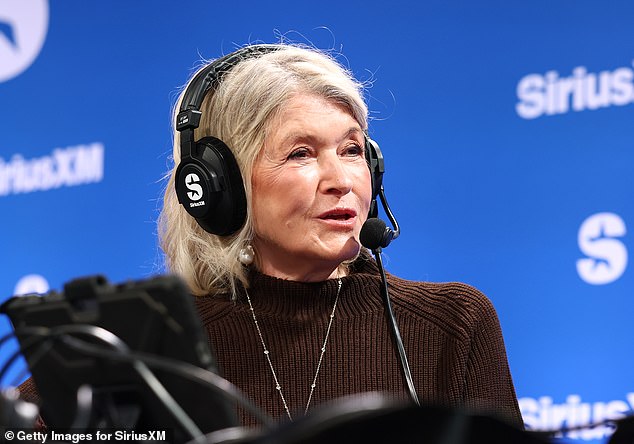
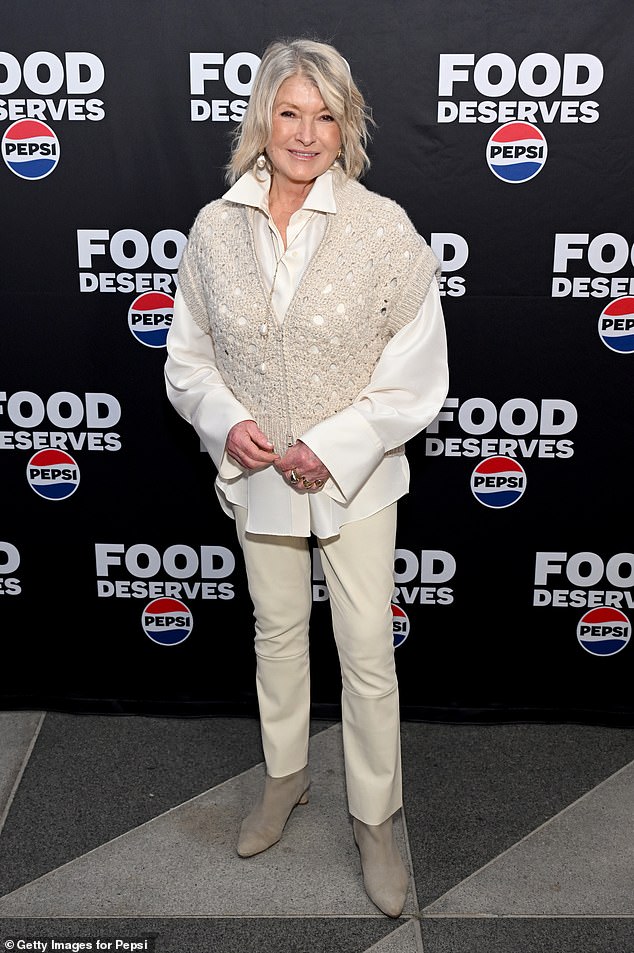
Lifestyle icon Martha Stewart, 84, has voiced significant dismay and described the presence of Immigration and Customs Enforcement (ICE) in her affluent New York City suburb as “extremely depressing.” The revelation comes amidst the ongoing immigration crackdown by the Trump administration, which has now touched Stewart’s seemingly idyllic community.
Stewart shared her unease with USA Today, stating, “We got a notice in my town of Bedford, New York, that ICE was in the schools. That’s extremely depressing.” She further elaborated on the jarring contrast, noting, “And this is a beautiful suburban town, an hour from New York City. It’s crazy.”
The Bedford Central School District subsequently confirmed reports of ICE officers being sighted in the vicinity, as reported by The Daily Voice. This heightened surveillance has led to a palpable sense of unease, with Stewart lamenting, “‘Big brother’ watching is not an easy way to live.”
While typically an “extremely optimistic person,” Stewart admitted to feeling “a little bit down” due to the current climate. She clarified her stance, stating, “I’m not going to get terribly political and criticize anybody individually, but America’s a beautiful place, and we have had such a beautiful life here. And we have to continue to have that.”
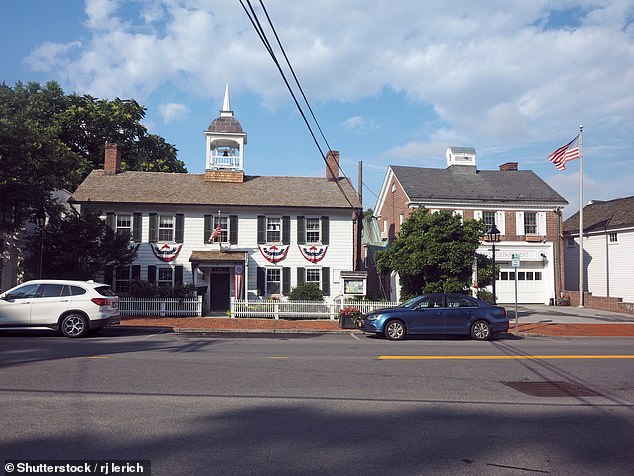
School officials in the Bedford district assured parents that measures were in place to “ensure that every step taken is in the best interest of our students’ well–being.” Rob Glass, the superintendent, confirmed the sightings, stating, “We have heard and now confirmed reports that ICE was in Mount Kisco this morning looking for a specific individual.” He acknowledged the unsettling nature of such news and pledged to address it with “the utmost transparency and sensitivity.”
Stewart herself resides in a sprawling 153-acre estate in Katonah, within the town of Bedford. Her property, reportedly acquired for $15 million, is rumoured to feature seven separate houses.
Details of the ICE Operation
The ICE operation, which commenced around 8 am, reportedly caused “disruption” as agents initiated a search. Michael Cindrich, the mayor of Mount Kisco, informed The Examiner that ICE was “searching for one individual, attempting to execute a federal judicial arrest warrant.” He stressed that local police officers “did not assist or participate in the search,” which concluded approximately two hours later.
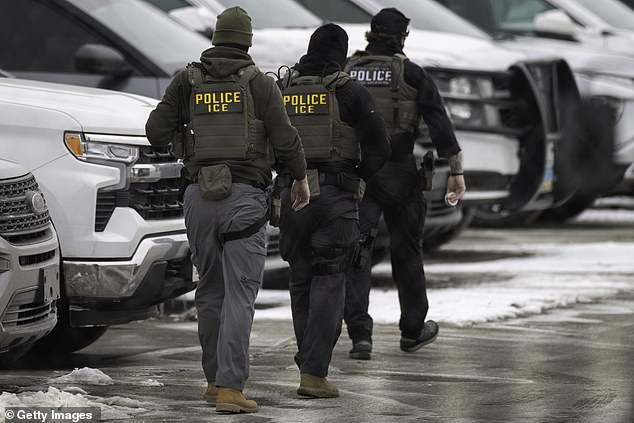
Mayor Cindrich expressed his disappointment, stating, “Unfortunately yesterday our federal government, the Department of Homeland Security, ICE, they conducted a law enforcement operation that disrupted families, school children and businesses.” He clarified that federal authorities conducted traffic stops on Lexington Avenue near Oakwood Cemetery but denied that agents went door-to-door or entered local businesses.
Stewart’s Broader Concerns on Immigration and Justice
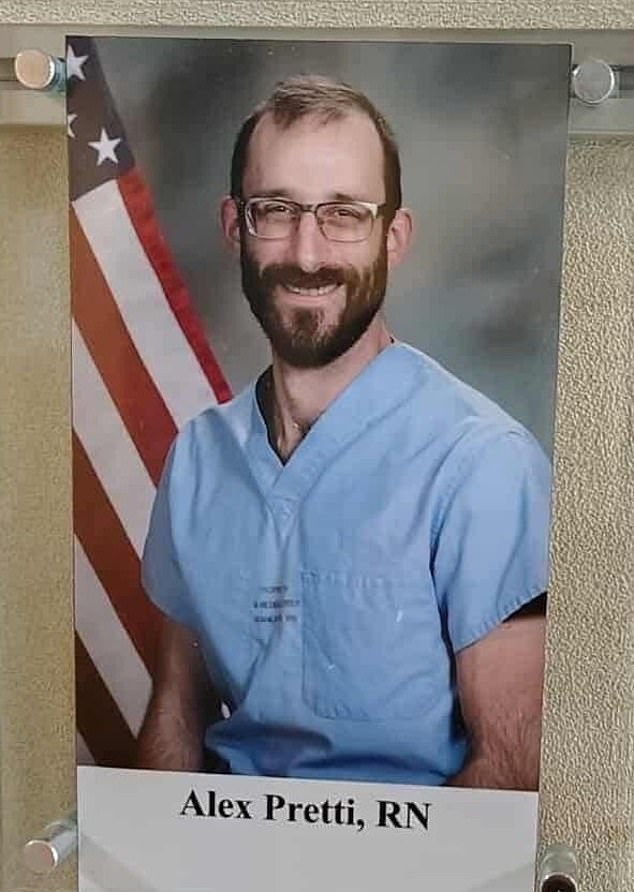
Stewart’s recent comments stem from a broader engagement with national issues. She previously broke her political silence to address the fatal shooting of Alex Pretti by US Customs and Border Protection agents on January 24. Initial reports from the Department of Homeland Security claimed Pretti, 37, approached officers with a loaded firearm. However, witness videos later emerged, appearing to show Pretti holding his phone, not a weapon, as he filmed agents arresting a protester. The footage suggested an officer retrieved an item from Pretti’s waistband just before he was killed.
Reflecting on the broader societal impact, Stewart shared a message from her 14-year-old granddaughter, who wrote, “I’m not sure if it’s excusable to not be speaking up right now.” This sentiment clearly resonates with Stewart, who has expressed profound sadness and disillusionment over the ongoing immigration crackdown.
“I am disheartened and sad each and every day that we cannot demonstrate our sympathy for the beleaguered, that we are told immigrants, which most of us are or descended from are unwelcome,” Stewart stated. She also conveyed her frustration at the perceived inability to express dissent peacefully and the potential for “attack and even killed by federal troops.”
Stewart concluded with a fervent hope for change, adding, “Things must have to change quickly and peacefully.”