
Terrorist Appeals Conviction After Chilling Court Appearance
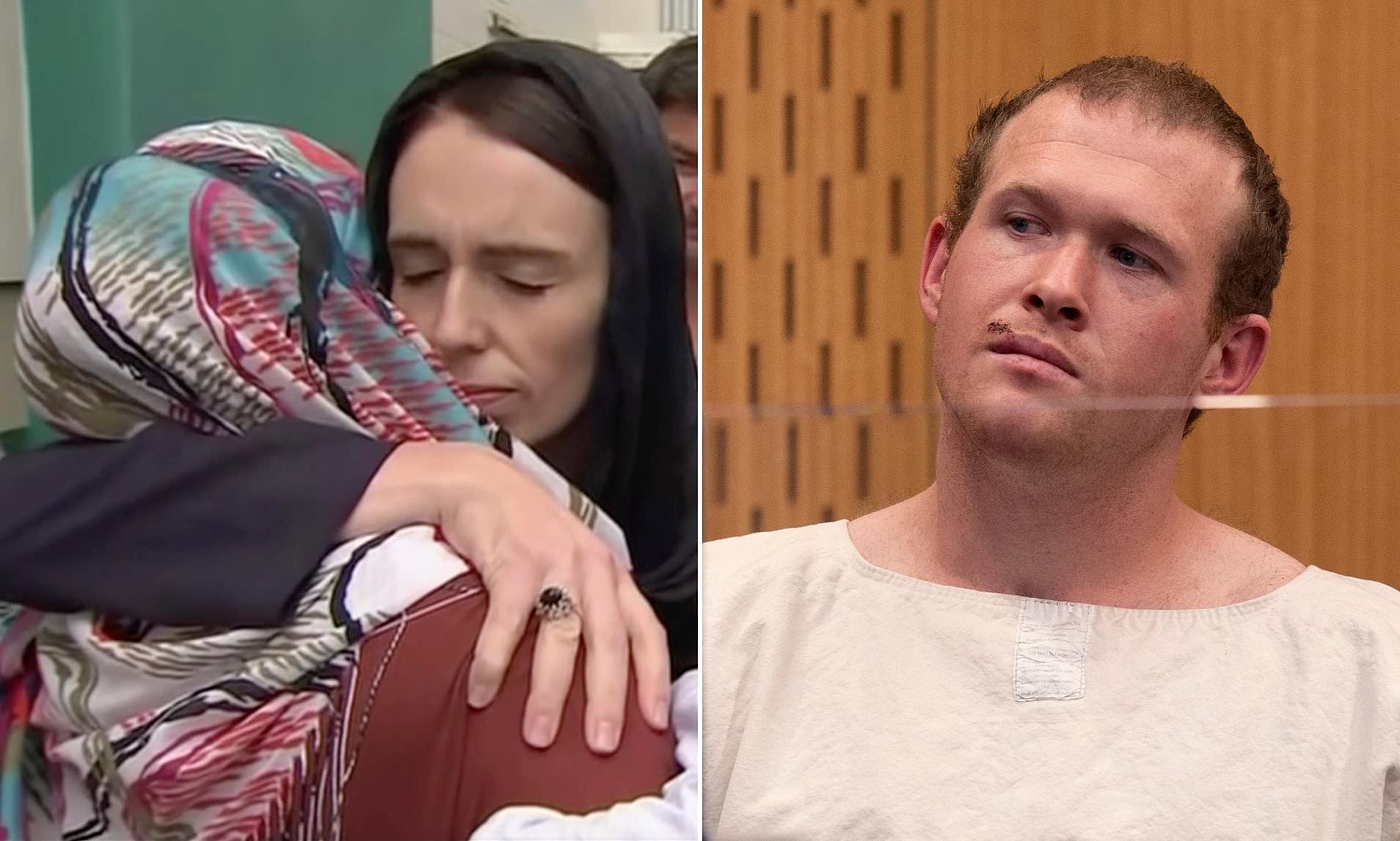
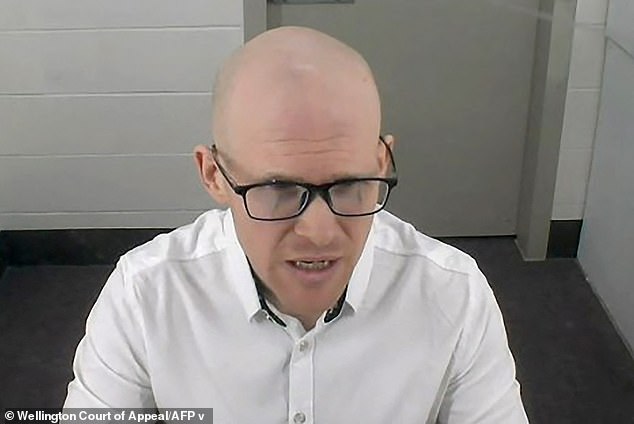
An Australian national who perpetrated the horrific 2019 Christchurch mosque attacks, resulting in the deaths of 51 individuals, has made a striking appearance in court as he seeks to appeal his conviction. Brenton Tarrant, now 35, presented a significantly altered appearance during a video link appearance before New Zealand’s Court of Appeal, sparking widespread attention and concern.
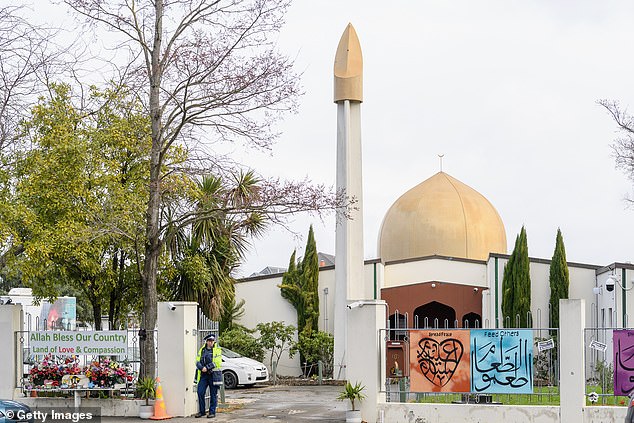
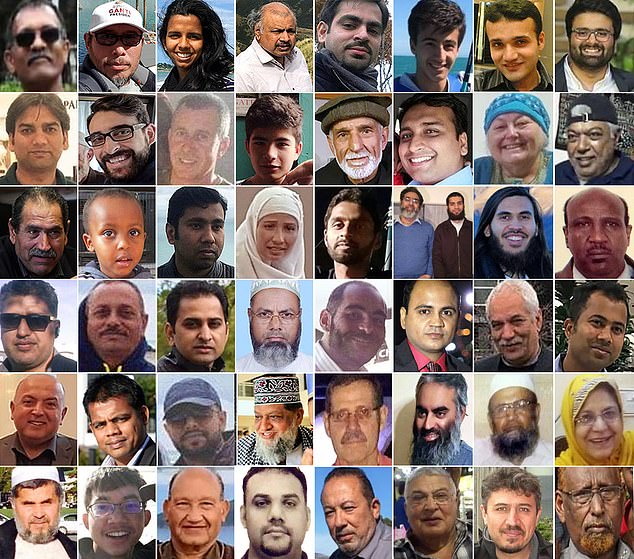
The brutal attacks, which unfolded at two mosques in Christchurch in March 2019, saw Tarrant open fire on worshippers, including men, women, and children, leaving scores injured. The incident remains etched in history as one of the world’s most devastating mass shootings.
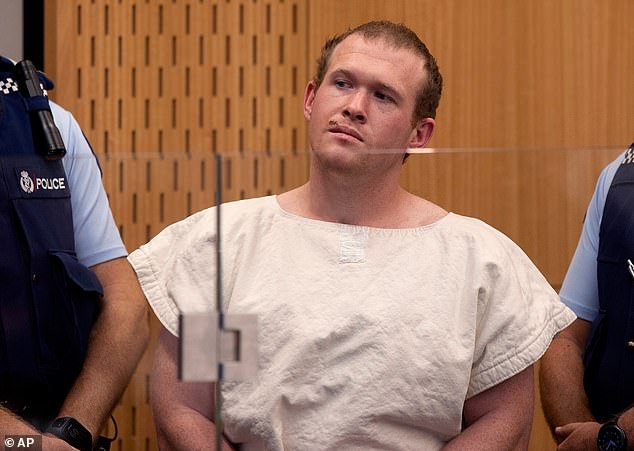
In March 2020, Tarrant entered guilty pleas to numerous charges and was subsequently sentenced to life imprisonment without the possibility of parole. However, he is now attempting to have this conviction overturned, asserting that his guilty plea was entered “under duress through torture.”
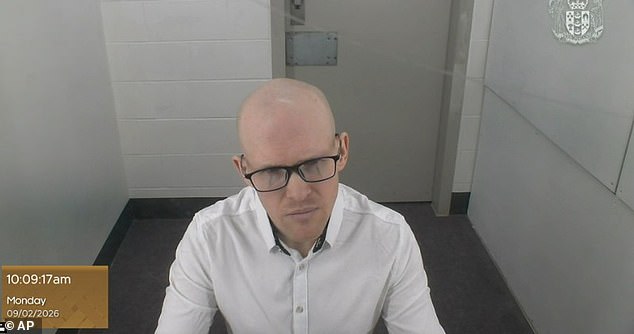
During his court appearance, Tarrant, who was last publicly seen during his 2020 sentencing, displayed a notably different demeanour and physical presentation. He was observed wearing a white collared shirt, dark-rimmed glasses, and sporting a shaved head.
Grounds for Appeal: Allegations of Torture and Duress
Tarrant’s legal team is arguing that he was incapable of making rational decisions at the time of his guilty plea due to alleged “illegal and torturous prison conditions.” He claims that essential legal documents were withheld, he experienced fallout with previous lawyers, and that his mental state was compromised by his confinement.
“It was a decision induced by the conditions, rather than a decision I rationally made,” Tarrant stated in his original appeal application filed in 2022. He elaborated that the prison conditions were “making me irrational” and that his plea was a direct consequence of this, not a change in his beliefs.
Further allegations include claims that prison guards engaged in “mental games” with him. Tarrant recounted instances where guards purportedly claimed not to hear or understand him, despite his attempts to communicate. “I would yell and they would say, ‘No we still don’t get it’,” he told the court.
His lawyers, he claims, had expressed concern for his mental well-being, noting that he had “changed” and was not “speaking the way you normally do.” They observed that he looked “different.”
Legal Process and Victim Impact
The appeal hearing is operating under strict suppression orders, with the identities of Tarrant’s current legal representatives being withheld due to safety concerns. Victims and their families will have the opportunity to view the proceedings via a delayed broadcast.
Aya al-Umari, who tragically lost her older brother Hussein in the Al Noor mosque attack, expressed her feelings about the hearing. “It will be just an image that I am looking at, because he means absolutely nothing to me at this stage,” she commented. Al-Umari suspects that Tarrant’s motivation for this appeal is to “open up traumas again” and seek renewed attention. “He just wants his limelight and to be relevant again,” she added.
The Court of Appeal judges will consider whether Tarrant can withdraw his guilty plea. If successful, this could lead to the case proceeding to a full trial on all charges. Should his appeal bid be unsuccessful, a separate hearing may be scheduled later this year to address his sentence.
Key Aspects of Tarrant’s Appeal:
- Allegations of Torture: Tarrant claims he was subjected to “illegal and torturous prison conditions.”
- Duress and Irrationality: He argues his guilty plea was a result of duress and irrationality induced by his prison environment.
- Withheld Documents and Lawyer Issues: Claims of withheld legal documents and difficulties with previous legal representation are cited.
- “Mental Games” by Guards: Tarrant alleges psychological manipulation by prison staff.
- Delayed Appeal: He faces scrutiny for the significant delay in filing his appeal application, which ordinarily must be made within 20 working days in New Zealand.
The outcome of this appeal will have significant implications for the victims, their families, and the broader legal landscape surrounding terrorism convictions and sentencing. The court’s decision will determine whether Tarrant faces a retrial or if his life sentence remains.