M. Chinnaswamy Stadium Cleared for Cricket After Safety Overhaul
Following a period of intense scrutiny and a commitment to enhanced safety measures, the M. Chinnaswamy Stadium in Karnataka has officially been granted permission by the state government to host cricket matches. This landmark decision comes after extensive discussions between the Karnataka State Cricket Association (KSCA), the Bruhat Bengaluru Mahanagara Palike (BBMP) Commissioner, the Police Commissioner, and legal officials.
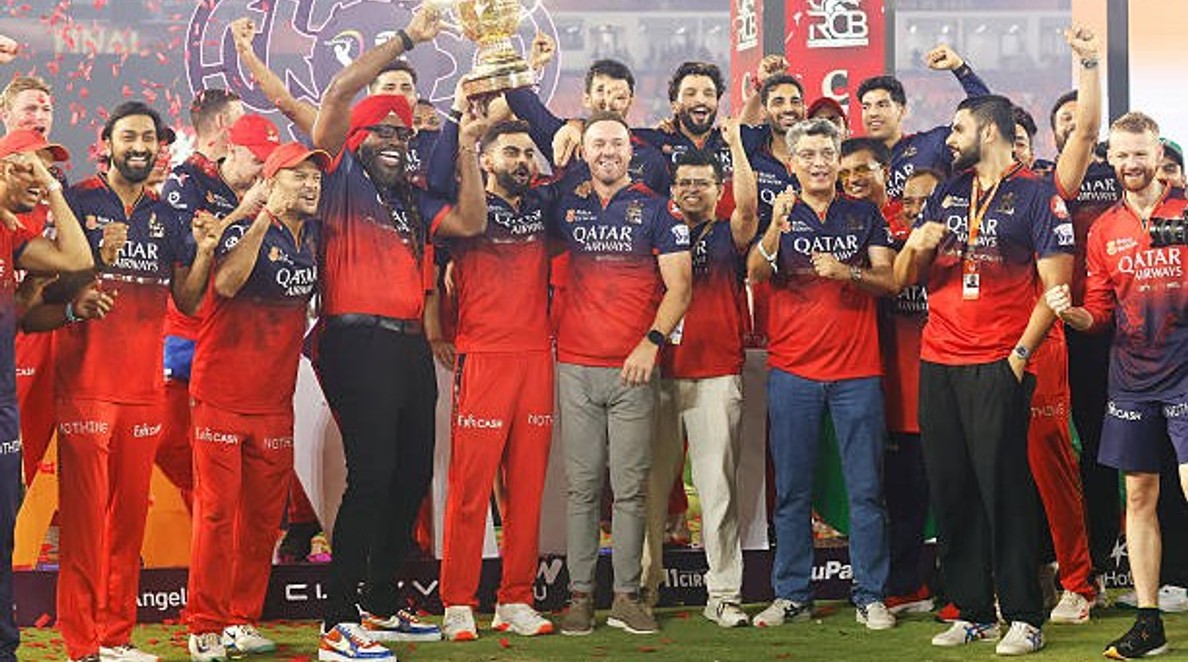
The green light for the stadium’s return to action is a significant development, particularly after the tragic stampede that occurred outside the venue in June, during the Royal Challengers Bengaluru (RCB) celebrations following their IPL 2025 title victory. The devastating incident resulted in the loss of 11 lives and left over 50 individuals injured, leading authorities to initially deem the stadium unsafe for large-scale public gatherings.
In the wake of the tragedy, the Karnataka government mandated stringent security standards. The KSCA and RCB have since been working collaboratively to implement these crucial upgrades. A substantial commitment of INR 4.50 crore was made by RCB last month to facilitate the installation of 300 to 350 advanced AI-powered cameras. These cameras are designed to significantly bolster crowd management and overall safety within the stadium premises.
Following the successful completion of recent negotiations and the implementation of these enhanced safety protocols, the government has now authorised the KSCA to resume hosting both international cricket fixtures and Indian Premier League (IPL) games at the M. Chinnaswamy Stadium. However, a revised attendance limit has been put in place for events held at the venue. The maximum capacity for any given match will be capped at 35,000 people, which is 5,000 fewer than the stadium’s full accommodation capability.
RCB’s Venue Search Amidst Uncertainty
The period of doubt surrounding the M. Chinnaswamy Stadium’s operational status led the Royal Challengers Bengaluru franchise to explore alternative locations for their home matches, particularly in anticipation of the IPL 2026 season. The franchise actively engaged with both the Mumbai Cricket Association (MCA) and the Chhattisgarh State Cricket Sangh (CSCS) during this time.
As part of their venue assessment, RCB investigated the suitability of the DY Patil Sports Academy in Navi Mumbai and the Shaheed Veer Narayan Singh Stadium located in Raipur. These venues were considered as potential future home grounds for the team.
However, the pursuit of a new home ground encountered some hurdles. The Mumbai Indians (MI), who own the DY Patil Sports Academy, declined to provide a No Objection Certificate (NOC) for RCB to use the facility, as it falls under their operational purview.
Subsequently, RCB shifted its focus and initiated discussions with the Chhattisgarh State Cricket Sangh (CSCS). After entering into an agreement with CSCS, RCB ultimately secured the necessary permissions to establish their base back at the M. Chinnaswamy Stadium, paving the way for their return to their traditional home ground once safety clearances were fully obtained. The successful lobbying and collaboration between the KSCA and RCB have been instrumental in this outcome.