East Coast Braces for Weekend Deluge as Heavy Rains Shift North
Australia’s eastern seaboard is on high alert as a significant weather system, responsible for drenching hundreds of millimetres of rain across parts of Queensland and New South Wales, continues its northward march. Residents from the Gold Coast to the Sunshine Coast, and further into inland Queensland, are being warned to prepare for extensive flooding over the weekend.
The intense rainfall has already caused considerable disruption, with southeast Queensland and northern New South Wales bearing the brunt of the downpour. In the 24 hours leading up to Friday morning, Doon Doon recorded a staggering 241mm of rain, while Mullumbimby saw 182mm. These figures highlight the severity of the event, prompting fears of flash flooding, dangerous driving conditions, widespread power outages, and significant transport delays across these heavily populated areas, which include major hubs like Brisbane.

Bureau of Meteorology senior meteorologist Angus Hines has indicated that the rain is expected to intensify. “It does look like the south-eastern corner will continue to pick up the heaviest falls, much like we have already seen through the course of the last 24 hours,” Hines stated. He further advised that the deluge isn’t a fleeting event, forecasting that the heaviest rainfall will move further north into inland parts of central and even northern Queensland by Saturday and Sunday.
Extensive Wet Weather Expected Across Queensland
The forecast suggests that many areas could experience between 100mm and 150mm of rain over the weekend. This means a “wet weather weekend all the way from the north of Queensland down to the southeast,” according to Hines. The primary impact of this prolonged rainfall is anticipated to be flooding, with both flash flooding and riverine flooding remaining distinct possibilities.
Beyond the immediate southeast, further heavy falls are also being eyed for:
- The Wide Bay-Burnett region in Queensland.
- Inland areas of the Central Highlands.
- Parts of the western districts of Queensland.
Northern Territory Recovers as Todd River Recedes
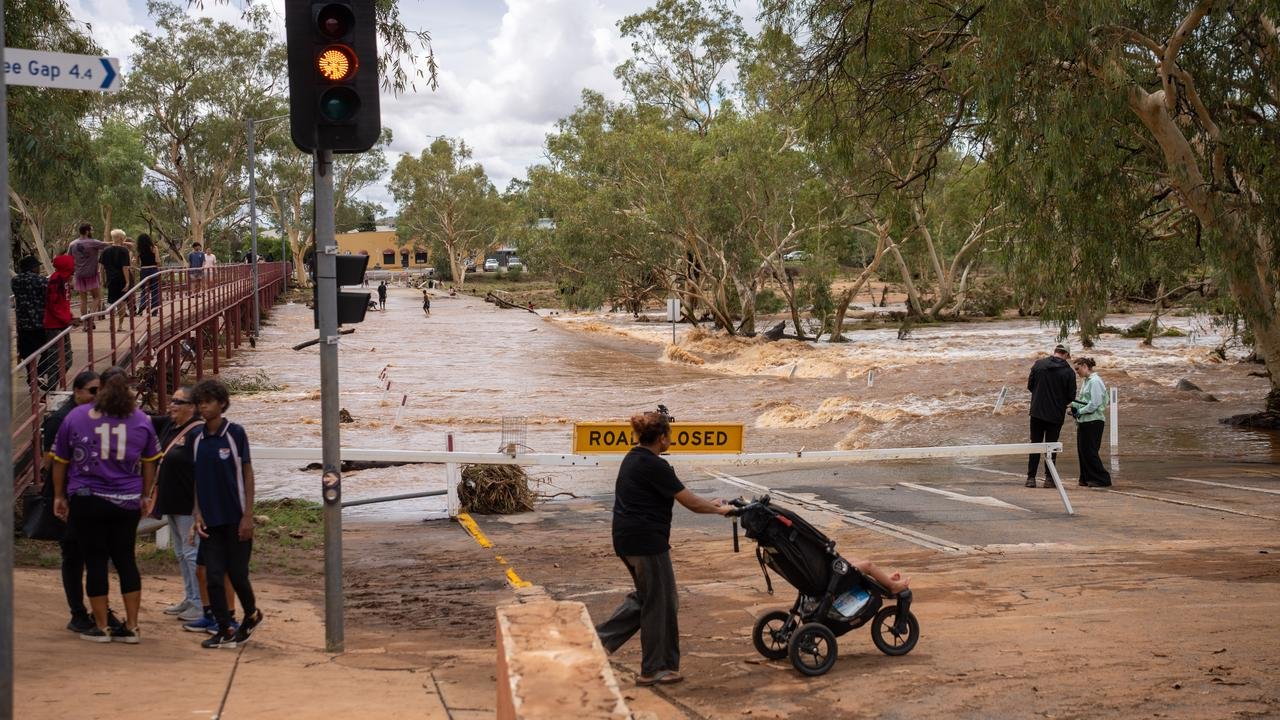
Meanwhile, the Northern Territory is dealing with the aftermath of its own severe weather event. Storms that dumped up to 100mm of rain in just two hours over the Todd River catchment transformed the usually dry riverbed into a “raging torrent.” This surge triggered multiple rescue operations in Alice Springs.
One particularly harrowing incident saw a woman stranded in floodwaters for 11 hours, clinging to a tree before rescuers could reach her. The flooding inundated low-lying roads and forced the closure of all causeways across the river. Authorities were kept busy responding to calls about people trapped in floodwaters, vehicles submerged, and homes affected by the inundation.

While the Todd River began to recede on Thursday, locals have been strongly advised to remain vigilant. NT Police Southern Commander James Gray-Spence described the situation as a “watch and act” scenario, acknowledging the potential for further rainfall. “We don’t know whether it will fall in the catchment or the effect on the river, but we will pass that information on to you as soon as it happens – so stay vigilant,” Gray-Spence urged reporters.
Broader Impacts and Preparedness
The current weather system echoes the challenges faced by Queensland in recent weeks, where communities in the north were left isolated and livestock devastated by widespread flooding following ex-Tropical Cyclone Koji. The prospect of more rain in the north raises concerns about further disruption to these already vulnerable areas.
As the nation watches the weather unfold, emergency services are urging residents in affected regions to:
- Stay informed about weather warnings and updates from the Bureau of Meteorology.
- Monitor local council and emergency service advice regarding road closures and evacuation orders.
- Prepare an emergency kit with essentials like food, water, medication, and a first-aid kit.
- Secure outdoor items that could be blown away by strong winds.
- Avoid driving through floodwaters, as even shallow water can be dangerous.
- Check on neighbours, particularly the elderly or those with specific needs.
The coming days are expected to be challenging for many Australians, with a strong emphasis on preparedness and safety as the rain continues its sweep across the eastern states.