
US Government Faces Shutdown Amidst Congressional Stalemate
The United States federal government has ground to a halt for the third time since the current presidential term began, a consequence of a legislative impasse in Congress over the weekend. This shutdown stems from a significant disagreement concerning the operational practices of U.S. Immigration and Customs Enforcement (ICE), with Democrats pushing for specific reforms.
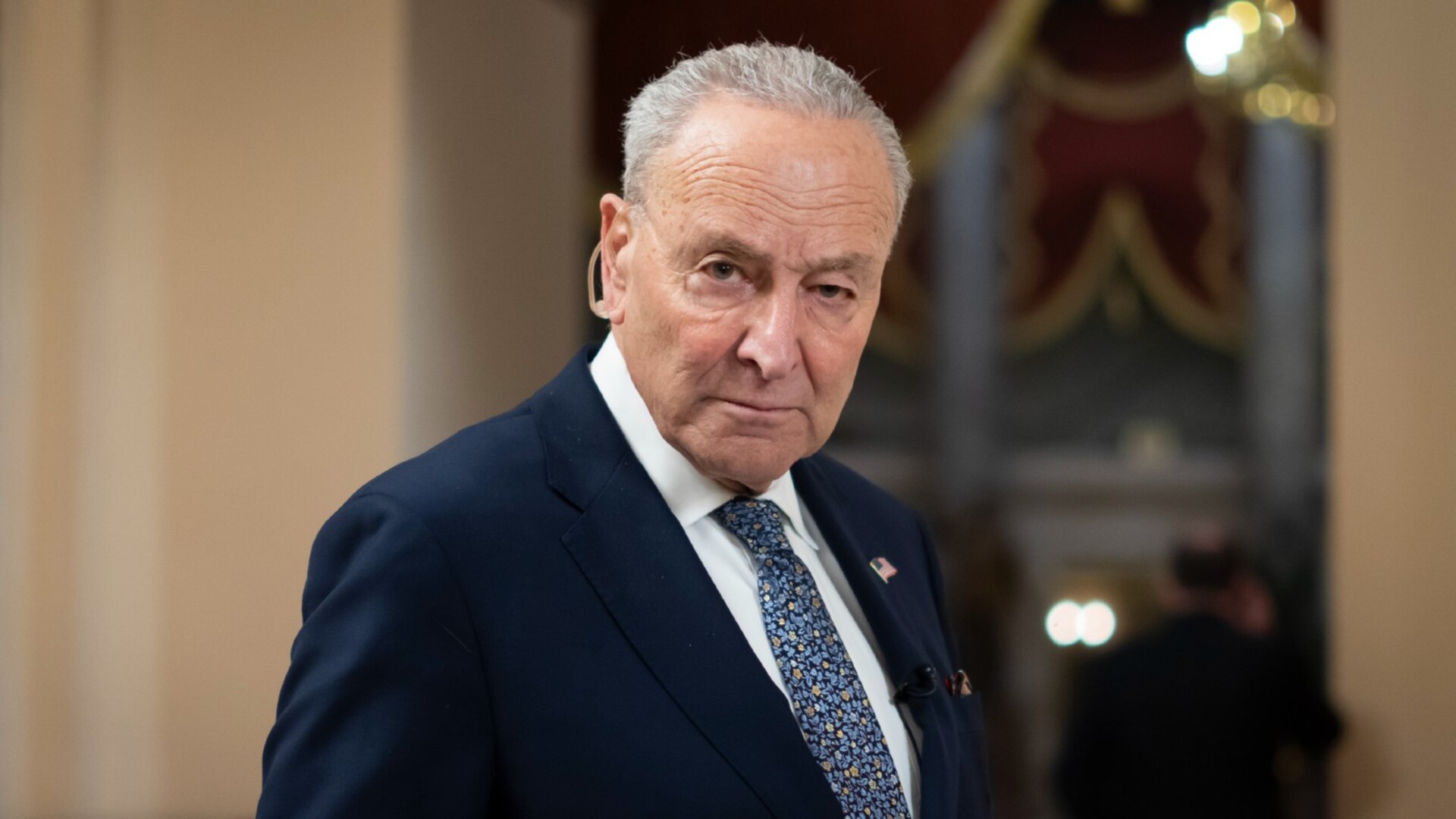
At the heart of the dispute lies the Democrats’ contention that ICE has become an overreaching entity requiring stricter oversight. This sentiment was powerfully articulated by the Senate Minority Leader, Chuck Schumer. He has publicly labelled ICE as a “rogue” force, asserting that it is imperative to “rein them in.” Schumer’s stance reflects a broader concern among some lawmakers and the public about the agency’s methods and the extent of its authority.
“We have a rogue agency; why don’t we rein them in? That’s what the American people are asking Republicans, and that’s why they’re going to have to go along with us,” Schumer stated, underscoring the perceived urgency of the situation and placing the onus on the Republican party to negotiate.
The failure to reach a legislative agreement means that non-essential government services have been suspended. This typically impacts a wide range of operations, from national parks and museums to certain administrative functions within federal agencies. While essential services, such as national security and critical infrastructure, generally continue to operate, the broader shutdown can have ripple effects across the economy and public life.
The specific demands from the Democratic party revolve around proposed changes to ICE’s policies and procedures. While the exact details of these demands are subject to ongoing debate, they are understood to encompass issues related to detention practices, deportation protocols, and the overall accountability of the agency. Democrats argue that these reforms are necessary to ensure that ICE operates within established legal and ethical boundaries and to address concerns about human rights and due process.
Conversely, Republicans have expressed reservations about the proposed changes, often emphasizing the importance of robust border security and immigration enforcement. They contend that any significant alterations to ICE’s operating framework could undermine the nation’s ability to manage its borders effectively and deport individuals who are in the country unlawfully. This ideological divide has proven to be a substantial hurdle in reaching a bipartisan consensus.
The recurring nature of these government shutdowns raises questions about the effectiveness of the legislative process in the United States. Critics argue that such stalemates are not only disruptive but also reflect a broader dysfunction within Washington. The inability of lawmakers to compromise, even on critical matters, can erode public trust and create uncertainty for both citizens and businesses.
The Broader Implications of a Shutdown
Beyond the immediate cessation of non-essential services, government shutdowns can have far-reaching economic consequences. Federal employees may face furloughs or be required to work without immediate pay, impacting their personal finances and local economies. Contractors who rely on government funding may also experience disruptions, leading to project delays and financial strain.
Furthermore, the perception of governmental instability can deter foreign investment and affect market confidence. International observers often view these shutdowns as a sign of political disarray, which can have negative implications for the United States’ standing on the global stage.
The current impasse over ICE operations highlights a persistent tension in American immigration policy. Debates surrounding border security, the treatment of asylum seekers, and the enforcement of immigration laws have been ongoing for years, often intensifying during periods of political transition or heightened public attention.
The calls for reform from figures like Senator Schumer are part of a larger movement advocating for a more humane and just immigration system. Proponents of these reforms often point to instances where they believe ICE has acted with excessive force or without sufficient regard for individual rights. They argue that a comprehensive overhaul of the agency’s mandate and operational guidelines is long overdue.
As the shutdown continues, the pressure mounts on both parties to find common ground. The American public, often caught in the middle of these political battles, faces the tangible consequences of a government that is unable to fulfill its basic functions. The resolution of this latest shutdown will likely hinge on the willingness of lawmakers to engage in good-faith negotiations and to prioritize the needs of the nation over partisan interests. The question remains whether a lasting compromise can be achieved, or if this is merely a prelude to future legislative standoffs.


