Lagos State Eyes Resumption of Monthly Environmental Sanitation Exercise
Lagos State is poised to reintroduce its monthly environmental sanitation exercise, with a target resumption date in March. The initiative, a cornerstone of the state’s public health and cleanliness agenda, was last observed in November 2016 but was suspended due to logistical challenges associated with movement restrictions in a bustling megacity. The potential revival comes as the state grapples with escalating waste management issues, including choked drainage systems and widespread indiscriminate dumping, which have amplified public calls for the exercise’s return.
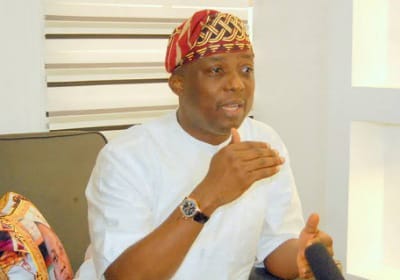
Tokunbo Wahab, the Commissioner for Environment and Water Resources, shared the optimistic outlook following an inspection tour of the Lagos Island area. He indicated that engagements with various stakeholders are currently underway to finalize a suitable date. “The truth is, we were meant to start last week, but we had a logistics issue,” Wahab explained. “We need to find a day that is acceptable to all stakeholders. I strongly believe that sometime in March, we should start. It could even be earlier. We’re engaging stakeholders, and the date will be communicated as soon as possible.”
The monthly sanitation exercise, historically held on the last Saturday of each month from 7 a.m. to 10 a.m., aimed to foster a collective responsibility for maintaining the city’s cleanliness. Its suspension in 2016 was attributed to the complexities of imposing movement bans in a densely populated metropolis. However, the persistent problems of overflowing waste, clogged waterways, and unsightly littering have underscored the need for a renewed approach to environmental stewardship.
A Stricter Stance on Environmental Violations
Commissioner Wahab emphasized that the state government intends to implement more stringent measures to combat the worsening waste crisis. This includes adopting a zero-tolerance policy towards environmental offenders. “We just have a discipline problem, not a waste problem,” Wahab asserted. “People choose to do certain things. We’ve had discussions with the LAWMA management. This time, we will be very decisive. We are going to make very hard decisions on some corridors, and we will not stop at that.”
The commissioner specifically pointed to traders in certain markets as being frequently implicated in improper waste disposal practices. “We also realised that traders in some markets along the corridors are mostly culpable. They have bins, but they don’t want to use them and instead choose to destroy the medians. We won’t just stop at clearing; we will start wielding the big stick from tomorrow (Monday).” This signals a shift towards more robust enforcement and punitive actions against those who flout environmental regulations.
Regeneration Projects Underway on Lagos Island
The inspection tour also provided an opportunity to assess the progress of ongoing regeneration projects on Lagos Island. Wahab highlighted the significant advancements being made, urging residents who have expressed concerns about drainage issues in the area to remain patient. “Regeneration of Lagos Island has been going on for months now. A while back, we had to wear rain boots in these areas, but there is progress now,” he stated, underscoring the visible improvements.
A key focus of the visit was the Oja Oba area, where plans are in motion for the beautification of the space under a bridge. Wahab led a delegation, including the Special Adviser to the Governor on Environment, Olakunle Akodu, and permanent secretaries, to formalize the utilization of this under-bridge space. “Today’s outing is for us to formalise the usage of the Oja Oba underbridge. We’ve had proposals, more like a PPP/CSR arrangement. We have two or three parties interested in taking up the underbridge. We don’t just sit and give approvals, so we had to come here, see the designs, and tell them what to tweak before we give the final approvals.” This indicates a collaborative approach, involving private sector partnerships and corporate social responsibility initiatives to enhance public spaces.
The ministry’s strategy involves a dual approach of continuous clearing of waste while simultaneously pursuing long-term solutions. Similar projects at Obalende Underbridge and Ijora Underbridge have been completed, with plans for a football pitch at the latter as part of a CSR initiative. The Oja Oba project is progressing in phases, with the aim of adding value to each location through careful design review and negotiation with interested parties.
The inspection itinerary covered several key areas, including:
- Oja Oba Underbridge
- Idumota Underbridge
- Aroloya Street, Lagos Island and its environs
- Alfred Rewane Collector
- Bourdillon Collector
- Macpherson Collector
- Five Cowries Creek, Ikoyi
The commissioner was joined by a comprehensive contingent of officials from the Ministry of Environment and Water Resources and its associated agencies, including:
- Gaji Omobolaji, Permanent Secretary, Environmental Services
- Mahamood Adegbite, Permanent Secretary, Drainage Services
- Dr. Muyiwa Gbadegeshin, LAWMA General Manager
- Toun Popoola, LASPARK General Manager
- Adefemi Afolabi, LASWMO General Manager
- Oluwabukola Adeyemo, LASWACO Executive Secretary
- Various directors from the ministry and its agencies.
The concerted efforts reflect a renewed commitment by the Lagos State Government to tackle environmental challenges through a combination of public engagement, stricter enforcement, and strategic regeneration projects. The anticipated return of the monthly sanitation exercise is expected to be a significant step in restoring and maintaining the city’s environmental integrity.