NSW Ministers Face Extended Sidelines Amid Transparency Battles
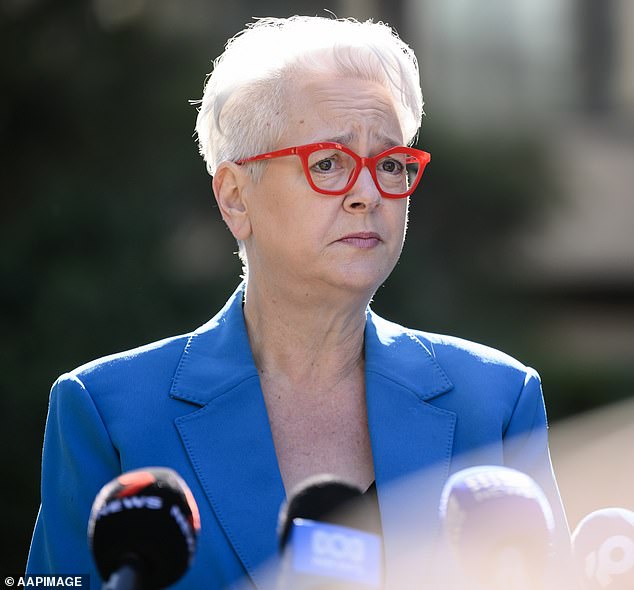
New South Wales (NSW) is currently witnessing a significant political standoff, with two key ministers finding themselves suspended from parliament due to ongoing transparency concerns. Environment Minister Penny Sharpe and Transport Minister John Graham, both prominent figures in the upper house, have been sidelined by the opposition and crossbench for their government’s refusal to produce requested documents.
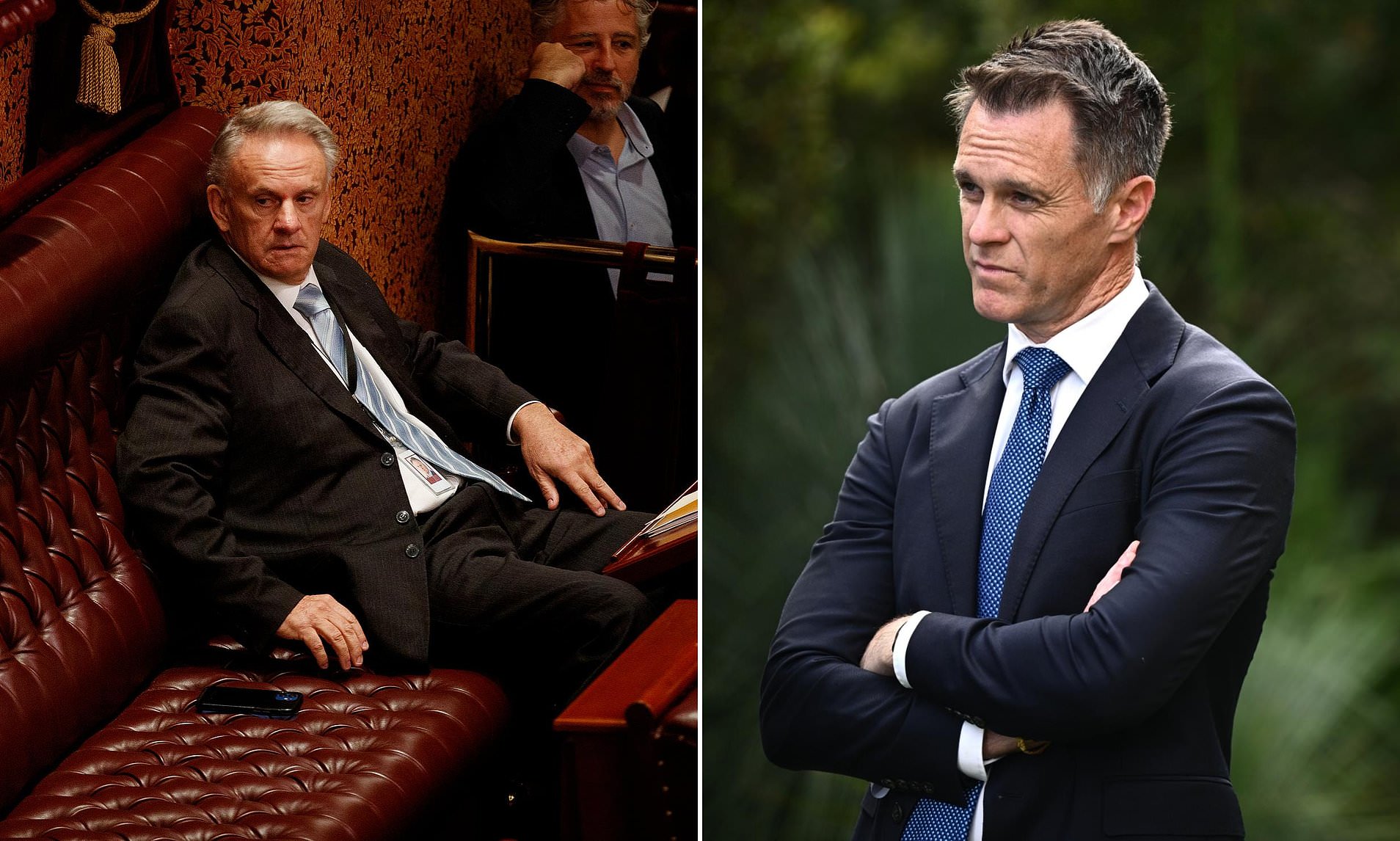
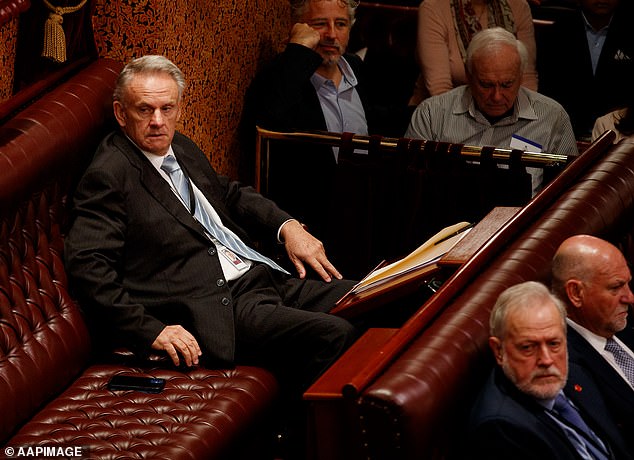
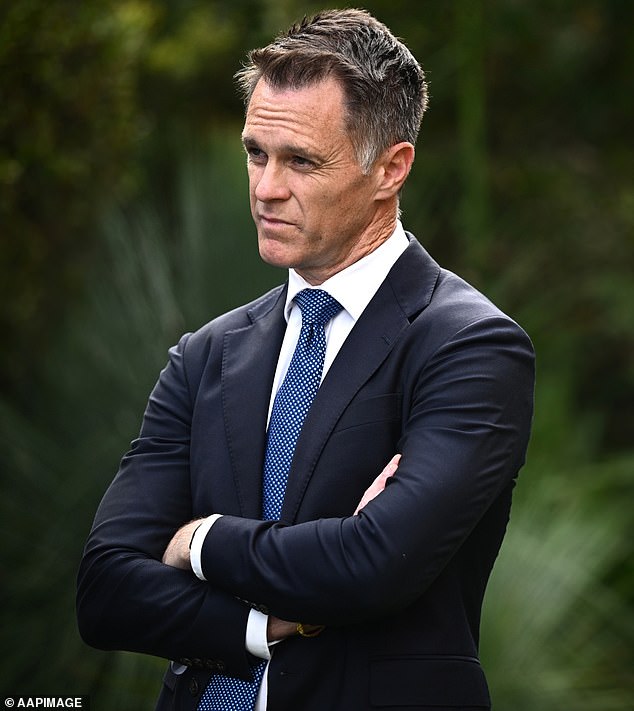
In a remarkable turn of events, Ms. Sharpe, who also holds the crucial role of the government’s leader in the Legislative Council, faced a two-week suspension in May. This disciplinary action stemmed from the government’s reluctance to release a statement made by Premier Chris Minns to the police concerning a 2015 sexual assault allegation. The allegation involved a former Labor official, described as a close confidant of the Premier. This matter has been a persistent point of contention, frequently raised by independent MP Mark Latham, the former federal Labor leader.
The use of parliamentary suspensions as a disciplinary measure against the government has been defended by veteran coalition MP Damien Tudehope. He voiced his concerns to ABC Radio, questioning the Premier’s motivations: “What has the premier got to hide that he would rather his minister be suspended from parliament rather than hand over these documents?”
Following her suspension, Ms. Sharpe urged her parliamentary colleagues to cease what she termed “playing games” and instead focus on passing four critical bills that the government intended to expedite. She articulated to AAP that “The people of NSW want politicians to get on with the job of supporting families and securing the state’s future.”
The NSW Legislative Council possesses a potent mechanism known as Standing Order 52 (SO52), which empowers MPs to compel the government to release documents. However, the current Labor government has repeatedly resisted calls for papers, leading to the current impasse.
This pattern of ministerial ejection continued with Mr. Graham, who was removed from the chamber on Thursday. This occurred after a similar attempt by Greens MP Amanda Cohn to compel the government to release a report on hate speech laws was met with refusal. In response to the hate speech laws issue, Attorney General Michael Daley had previously commissioned a review by former NSW Supreme Court judge John Sackar, which was completed in November. The government’s justification for withholding this report involves cabinet confidentiality and the need to formulate a cohesive policy position.
A Growing Trend of Opacity
Clancy Moore, head of Transparency International Australia, has highlighted that the current situation is not an isolated incident but rather an escalation of a trend observed in recent years, irrespective of the ruling political party. He noted to AAP that “We’re seeing issues around freedom of information requests and the excessive use of cabinet-in-confidence to block information coming into the public light.”
Mr. Moore stressed the critical importance of governmental openness, particularly in the current climate. “At a time when social cohesion and trust in government is kind of at a breaking point, it’s really important that governments double down on being transparent, disclosing information, and being open in their decision-making processes,” he stated.
The repercussions for Mr. Graham could extend further, with the possibility of another suspension looming when parliament reconvenes on Tuesday. This ongoing saga underscores a broader debate about accountability and the public’s right to access information in NSW politics.