Aussie shoppers are digging deep to stretch their grocery budgets, but the reality is, the weekly shop is costing more than ever before. In a bid to find some relief at the checkout, many are questioning the age-old advice: is switching to Aldi still the silver bullet for savings? Or does the landscape of grocery retail offer more competitive options these days?
To get to the bottom of this, a direct comparison of seven everyday essentials was conducted across Coles, Woolies, Aldi, and Harris Farm Markets. The aim was to identify the most cost-effective place to grab these common staples.
The Grocery Basket Breakdown
The selected items for this comparison were:
- 2 litres of milk
- A dozen eggs
- Sliced white bread
- A whole raw chicken
- Spaghetti
- Butter
- Four bananas
The shopping expedition took place in person at local stores in Baulkham Hills, Sydney, for Coles, Woolies, and Aldi, with Harris Farm Markets located in Dural. The decision to shop in person, rather than relying solely on online prices, was crucial. Supermarket websites don’t always reflect in-store pricing, and critically, they can’t account for stock availability. If a cheaper option isn’t on the shelf, shoppers are often forced to opt for a more expensive alternative, regardless of what the website might advertise.
The Surprising Results
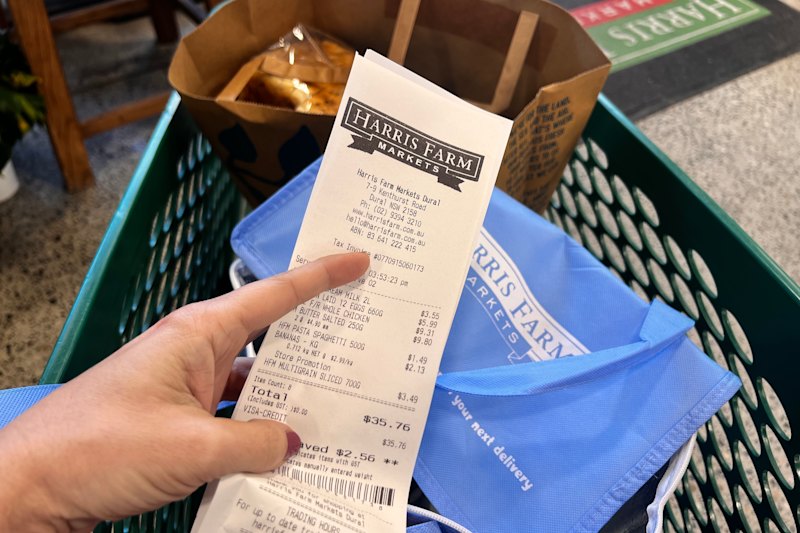
The findings were unexpected. The local Coles store emerged as the most affordable option, with the basket of seven items totalling $29.49. Woolworths followed closely at $30.56, with Aldi just a fraction behind at $30.60. Harris Farm Markets proved to be the most expensive, coming in at $35.76.
What was particularly striking was that Aldi, often touted as the budget champion, was not the cheapest. In fact, the price difference between Coles, Woolies, and Aldi for these specific items was remarkably small. It’s important to note that stock availability, such as the weight of chickens and the size of bananas, could influence the final cost.
Harris Farm Markets, while the priciest in this particular comparison, was not a surprising result. This retailer typically offers a more curated selection, often with fewer budget-friendly options for basic staples.
To ensure a fair comparison, per-unit pricing was also checked using the retailers’ websites. This yielded similar outcomes, reinforcing the idea that in-store stock levels play a significant role in the final bill. Even the most diligent shopper, armed with app discounts and online research, can find their savings plan derailed if the advertised bargains aren’t actually on the shelves.
What Does This Mean for Shoppers?
The key takeaway from this exercise is that for these seven everyday grocery items, the price disparity between the major supermarkets is less significant than many might assume.
So, where should Australians be doing their grocery shopping to save money? The answer, it seems, is nuanced and depends heavily on individual circumstances.
For those fortunate enough to have multiple supermarkets within easy reach, a strategy of “supermarket hopping” – visiting different stores for the best deals – can still be an effective way to save.
However, if you’re committed to a single supermarket for convenience, the choice becomes more about proximity and personal preference. While Coles, Woolies, and Aldi were neck-and-neck on these specific staples, the broader grocery landscape requires more careful consideration.
Beyond the Staples: The Importance of Specials and Home Brands
The impact of sales and promotions cannot be overstated. A discounted item, like a strategically priced chicken at Woolworths, can significantly reduce the overall grocery bill.
Furthermore, both Coles and Woolies have invested in their own-brand ranges, offering budget-friendly pantry staples that can help shoppers save, especially those who don’t have an Aldi store nearby.
For instance, a 2-litre milk at Aldi was priced at $3.55, a figure matched by Coles and Woolworths in the same shopping centre. This price matching can occur when multiple supermarkets are located together, creating a more competitive environment.
Your Local Supermarket: The Real Price Detective
The ultimate advice? Get to know your local shopping precinct. Investigate whether your nearby Coles, Woolies, or Aldi consistently offers the best prices. The era where Aldi was automatically the cheapest option for everything is evolving. The prices you encounter can depend on a trifecta of factors:
- Stock Availability: What’s actually on the shelves at the time of your visit.
- Location: Prices can vary between different suburbs and regions.
- Promotions: The presence of sales and special offers.
By understanding your local retail dynamics, you can make informed decisions that truly benefit your grocery budget.
- Results are based on products and prices available at the time and may vary.