

Park Min-gyu’s acclaimed 2009 novel, Pavane for a Dead Princess, captivated readers with its unconventional romance between a woman perceived as the world’s ugliest and the man who cherishes her. Set against the backdrop of 1980s Seoul’s periphery, the narrative unfolds within the dimly lit confines of an underground parking lot, a stark contrast to the opulent department store it serves. Even decades after its initial release, the novel’s exploration of capitalism’s shadows and a society fixated on appearances remains profoundly relevant. The recently released 2026 Netflix film adaptation, Pavane, continues this exploration, offering a tender portrayal of marginalized youth navigating an era where the pursuit of wealth and beauty has intensified, often at the expense of genuine connection.
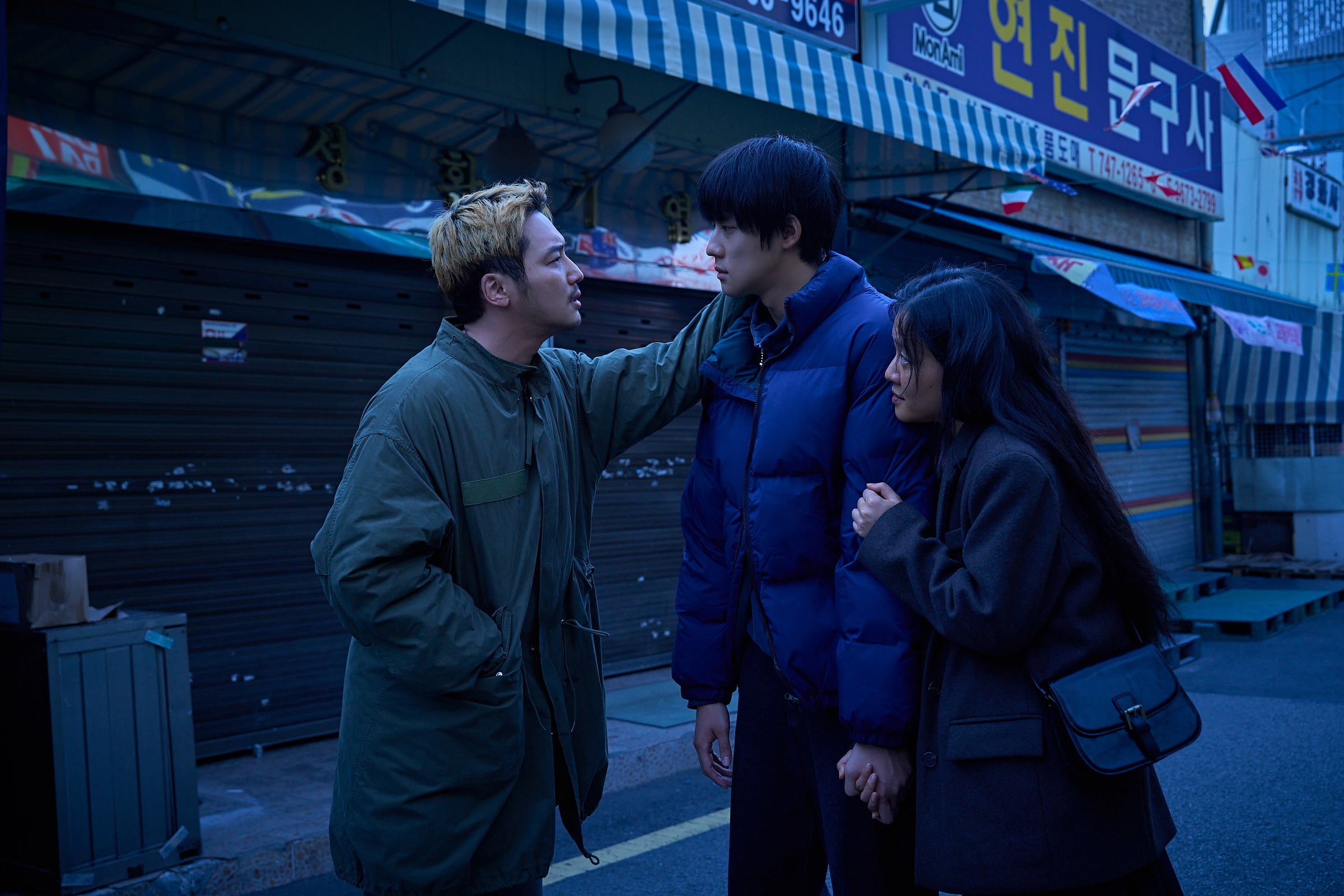
The film centers on three individuals who feel ostracized by society. Mijeong, portrayed by Ko Ah-sung, finds her appearance at odds with the glamorous environment of the department store. Despite being the top performer in terms of hiring numbers, she is relegated to menial tasks in the underground warehouse. Having endured years of ridicule for her looks, she finds solace in the anonymity of the darkness. Gyeong-rok, played by Moon Sang-min, once harbored dreams of becoming a dancer, but life’s harsh realities led him to a career as a parking attendant. His disillusionment stems from his father, a once-successful actor whose outward polish masked an inner hollowness. His father’s abandonment of him and his mother after achieving fame has left Gyeong-rok skeptical of love’s existence. Johan, brought to life by Byun Yo-han, serves as a poignant intermediary between Mijeong and Gyeong-rok, using humor and wit to mask his own vulnerabilities. Through their intertwined stories, the film highlights the resilience and profound empathy found in seemingly ordinary and overlooked young lives.
A Director’s Vision: Softening the Edges for a Melodramatic Romance
Director Lee Jong-pil, known for his sensitive direction in works like Samjin Group’s English TOEIC Class and Park Ha-kyung’s Travelogue, imbues Pavane with his characteristic warmth. While the novel is firmly rooted in the 1980s, the film opts for a more ambiguous temporal setting. This deliberate choice shifts the focus from a specific historical period to the universal, fleeting nature of youth and the unique forms of love that blossom during that transformative phase. The film subtly softens the novel’s pointed critiques of capitalism and appearance-driven values, instead leaning into a more pronounced melodramatic tone. This approach results in a narrative that feels both charming and deeply affectionate, a departure from the original work’s darker, more melancholic atmosphere.
At a production briefing, Director Lee articulated his lifelong aspiration to craft a romance film, stating, “I’ve wanted to make a romance film since my teens. Love saves humanity, and I believe all films are ultimately romance stories.” He further elaborated on the film’s thematic duality, describing it as “also a film about light and darkness.”
The Interplay of Light and Shadow
The three protagonists, each grappling with their own perceived flaws and insecurities, carry significant inner turmoil. The film masterfully illustrates how moments of light gradually penetrate their lives. This thematic element is visually underscored by recurring imagery of illumination, from the gentle hues of sunrises and sunsets to the ethereal glow of rainbows and auroras. This pervasive light offers a gentle balm to the marginalized youth and those who feel cast aside.
The title, Pavane, refers to a ceremonial dance popular in the 16th and 17th centuries. This historical resonance, coupled with Maurice Ravel’s Pavane for a Dead Princess, sets a contemplative mood. The film’s soundtrack, a rich tapestry of classical, rock, jazz, and pop music, further enhances this atmosphere, its melodies rippling with light and enveloping the characters’ emotional wounds like a comforting embrace.
Character Portrayals and Performances
Ko Ah-sung’s portrayal of Mijeong is a testament to her dedication. She gained weight and underwent extensive makeup for the role, yet the film deliberately downplays the stark visual “ugliness” present in the novel. Instead, the focus shifts to Mijeong’s pervasive gloom and her reclusive nature. Director Lee explained this directorial choice, noting, “Mijeong in the film isn’t defined by her ‘ugly’ face but by her ‘ugly’ heart. We viewed the core as the feeling of inadequacy and immaturity one experiences when falling in love, approaching it differently from the original.”
Despite this shift in emphasis, Ko Ah-sung expertly conveys Mijeong’s internal struggle through subtle yet powerful adjustments to her gait, posture, gestures, and gaze, embodying a character perpetually fearful of judgment. Byun Yo-han’s performance as Johan is instrumental in bridging Mijeong and Gyeong-rok, injecting vital energy into the narrative. Moon Sang-min emerges as a notable rising star, delivering a naturalistic performance that captures the aimless existence of a youth adrift.
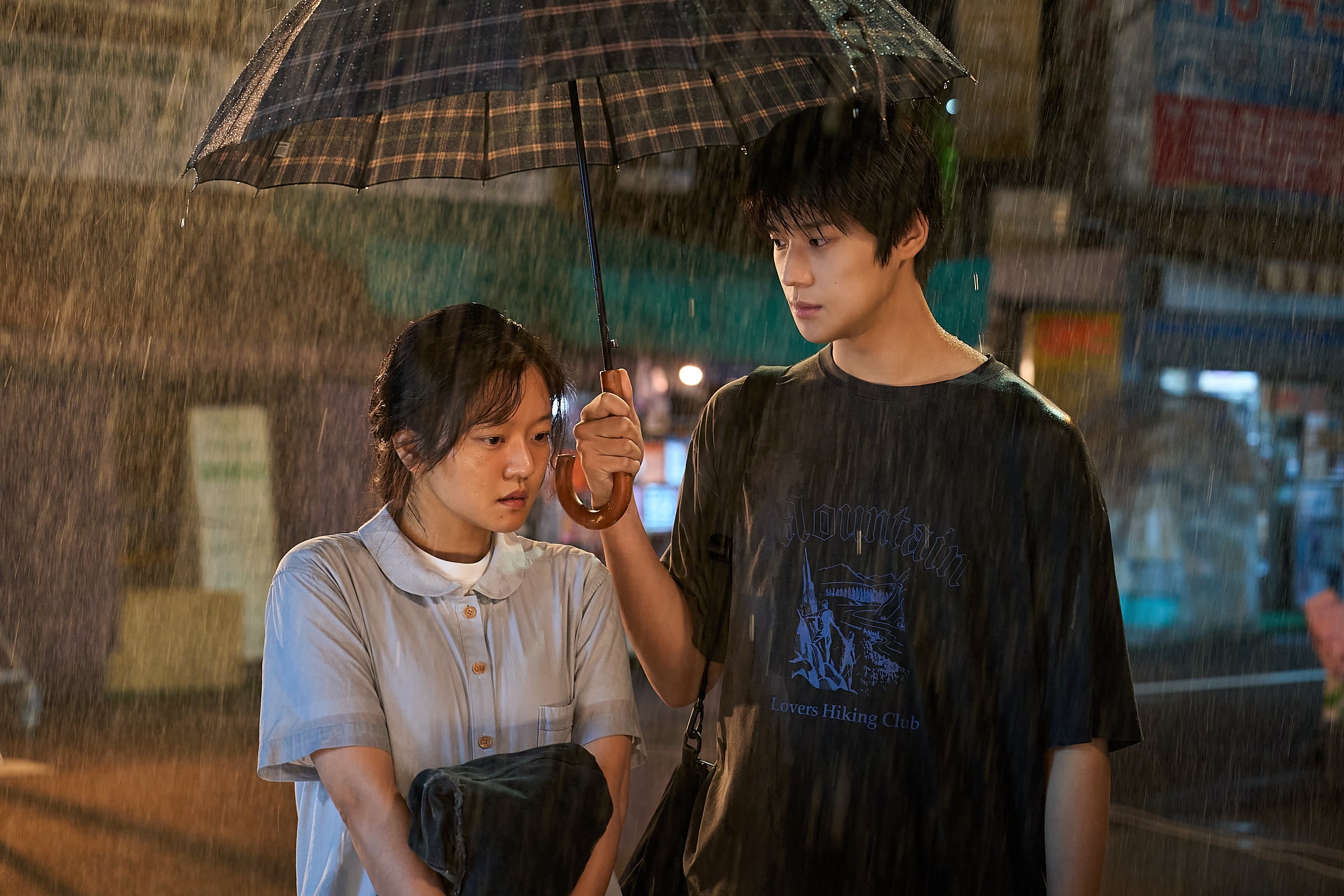
Pavane consistently poses the question, “What is love?” and subsequently offers its own nuanced answer. The film depicts how these flawed, imperfect individuals are drawn to each other organically, unburdened by pretense, and in doing so, they discover an inner light within one another. Their burgeoning connection, nurtured in the shadows of the underground, becomes a beacon of hope, empowering them to navigate the challenges of life. In a world often characterized by relentless speed and noise, Pavane offers a refreshing counterpoint with its deliberate pace and quiet, enduring comfort.