Measles Scare Grips Sydney as Unexplained Case Sparks Community Transmission Fears
Health authorities in New South Wales are on high alert as a recent measles case in Sydney, with no clear links to known infections or exposure sites, has raised significant concerns about the virus circulating undetected within the community. This unexplained infection has prompted a renewed push for vigilance and vaccination, particularly among those born after 1965.
The NSW Health department confirmed the new case on Saturday, involving a resident of south-west Sydney. The individual contracted the highly contagious illness without any apparent connection to previously identified cases or exposure locations, a development that has intensified fears of broader community transmission. This latest infection brings the total number of measles cases in the state this year to 22. Health officials are warning that this figure is likely to rise as contact tracers work diligently to retrace the patient’s recent movements and pinpoint any further potential exposure sites.
The infected individual’s recent itinerary included visits to several public locations and health facilities between February 22 and February 25. These included:
- Fresh & Hot Restaurant in Wolli Creek.
- Multiple health facilities in Campbelltown and Gregory Hills.
- The emergency department of Campbelltown Hospital on two separate occasions.
Previously, identified measles exposure locations in Sydney had been primarily concentrated in areas such as the CBD, the Inner West, parts of the North Shore, and Western Sydney. The emergence of a case with no discernible links to these areas suggests a potentially wider spread of the virus.
A spokesperson for NSW Health acknowledged the gravity of the situation, stating, “It is likely measles is currently circulating within the community, and other people may have been unknowingly exposed to measles.” This candid admission underscores the challenge health authorities face in controlling the outbreak.
Dr Stephen Conaty, Acting Director of Public Health for the South Western Sydney Local Health District, urged residents to be particularly vigilant in monitoring for measles symptoms. He stressed the importance of this caution for anyone who may have visited the recently identified exposure locations during the specified times.
“If symptoms develop and you’ve been at one of the locations at the time listed on the website, see your doctor or health service, including an emergency department,” Dr Conaty advised. He also provided crucial advice for individuals seeking medical attention: “Call ahead to let them know that you may have come into contact with measles so you don’t spend time in waiting rooms with other patients.” This proactive measure is vital to prevent further transmission within healthcare settings.
Understanding Measles Symptoms and Transmission
Measles is a highly contagious viral illness that spreads rapidly through the air. It is transmitted when an infected person coughs or sneezes, releasing infectious droplets into the environment. These droplets can remain airborne for a period and infect others who inhale them.
The incubation period for measles can be lengthy, with symptoms typically appearing between 10 to 18 days after exposure. The initial signs of the illness often include:
- Fever
- Sore eyes (conjunctivitis)
- Runny nose
- Cough

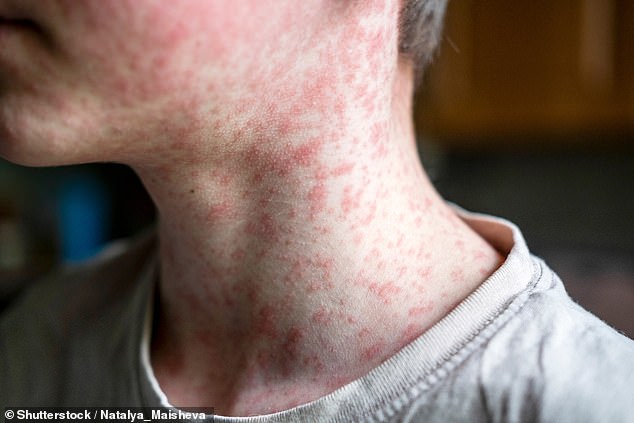
Following these initial symptoms, usually three to four days later, a characteristic red, blotchy rash emerges. This rash typically begins on the head and face before spreading downwards to cover the rest of the body.
The Critical Role of Vaccination
Fortunately, measles is a preventable disease, with vaccination being the most effective defence. Health authorities are reiterating their strong recommendation for individuals born after 1965 to ensure they have received two doses of the measles vaccine. This is especially pertinent given the current outbreak and the ongoing measles outbreaks in various regions globally, which pose a risk to travellers.
The NSW Health website provides a comprehensive list of all identified measles exposure locations and times. Residents are strongly encouraged to consult this resource and to seek prompt medical advice if they experience any symptoms and believe they may have been exposed. Early detection and isolation are key to containing the spread of this potentially serious illness.