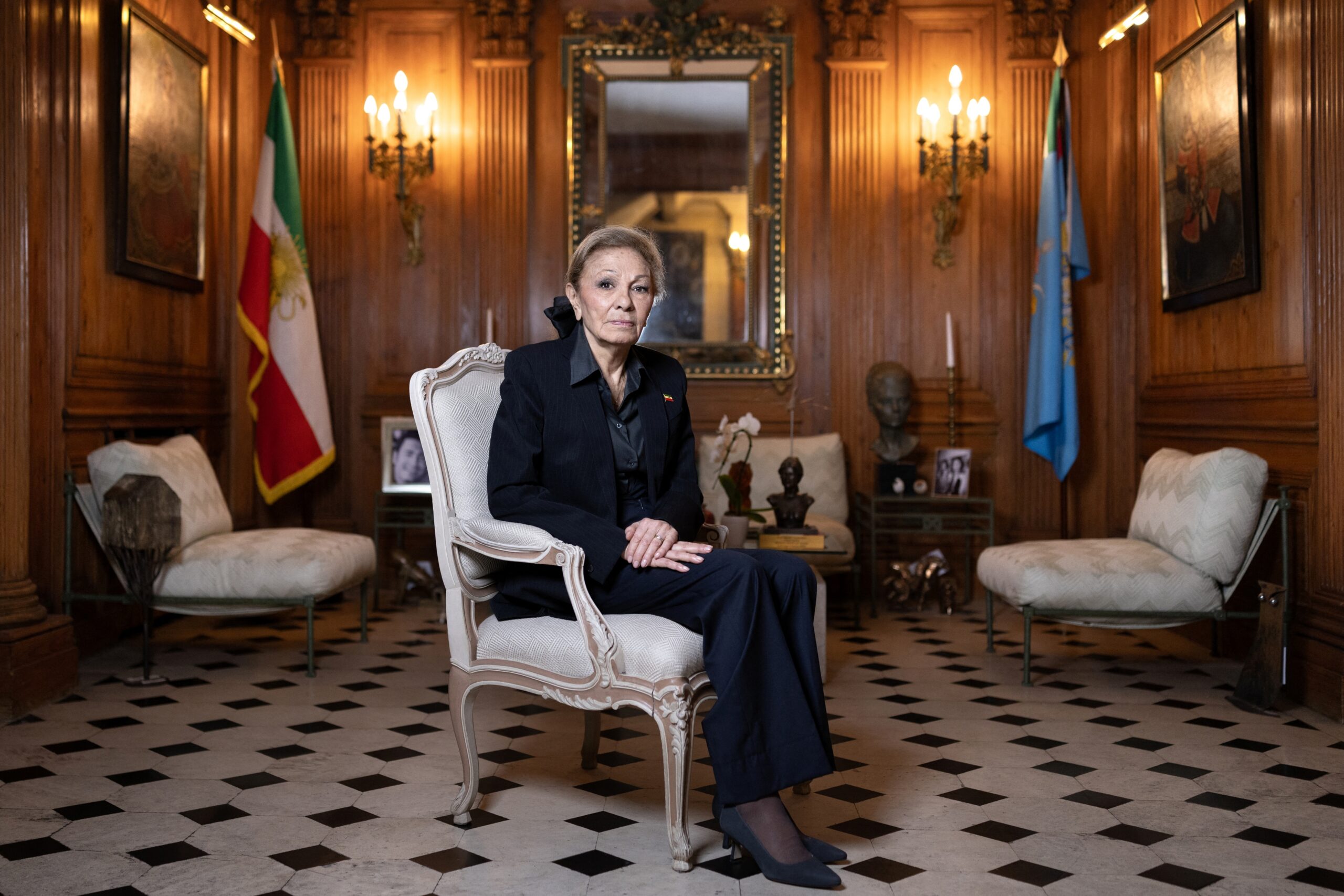
For decades, Iran has been a nation grappling with profound change, its history marked by revolution, autocratic rule, and enduring hope for a different future. In the quiet elegance of her Paris apartment, overlooking the Seine, Farah Diba Pahlavi, the former Empress of Iran, reflects on a life lived in the shadow of exile and the persistent dream of her homeland’s liberation. Now 86, and in her 46th year away from Iran, the widow of the Shah, Mohammed Reza Pahlavi, holds onto a vision of return, a testament to a past many Iranians still hold dear.
To a generation of Iranians who have only known the strictures of theocratic rule, Farah remains the revered Shahbanu, a symbol of a bygone era when Iran was a vibrant, rapidly modernising nation, embraced by the Western world. This period of rapid transformation was abruptly halted by a revolution that ousted her husband and installed a regime that has maintained its grip on power ever since. Today, Iran finds itself once again in a state of profound upheaval, following recent conflict that has significantly damaged its defence capabilities and claimed the lives of numerous key figures within the ruling establishment.
Tragedy and a Glimmer of Opportunity
For those like Farah who long for an end to the current regime, the recent conflict has been viewed through a lens of both immense tragedy and potential opportunity. In a message to her supporters during the height of the hostilities, the former Empress conveyed a powerful sentiment:
“In these dark and uncertain days, my heart aches with yours. I feel your pain, and I salute your bravery, and your unwavering spirit. As war casts its shadow across our land, I want you to know that you are not alone — our strength lies in our unity, our history, and our unbreakable will to endure. Iran has weathered storms before, and each time, we have risen with greater courage and grace. Let us hold fast to our love for one another, protect the innocent, and keep the flame of hope alive in every home. May peace return swiftly, and may our future shine brighter than our past.”
The Path to Exile
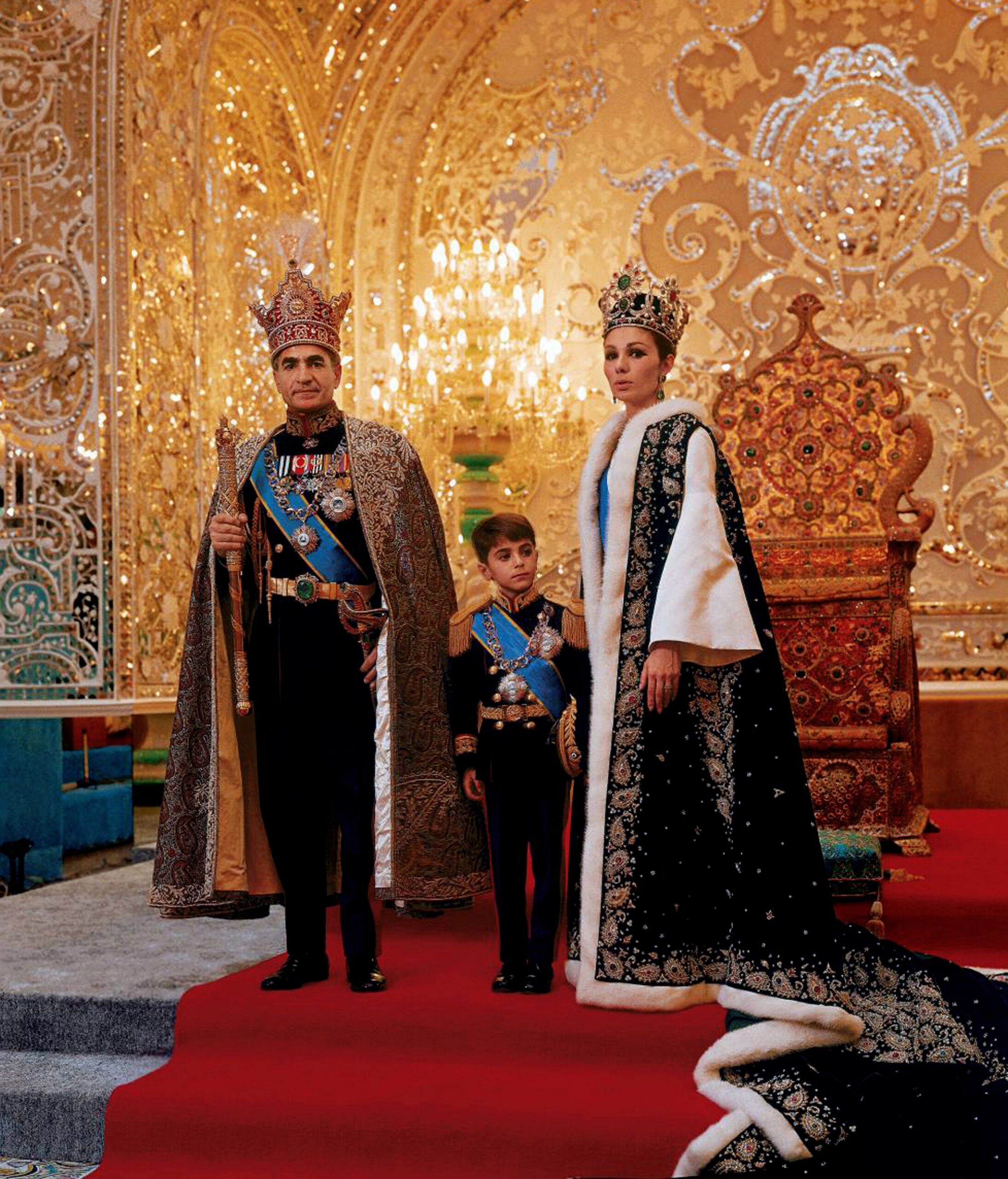
Farah Pahlavi, the daughter of a distinguished army officer, was once the elegant face of Iran’s ambitious stride into modernity during the 1960s and ’70s. She and her husband, the Shah, formed a celebrated couple, known for hosting lavish state banquets, generously supporting the arts, and being welcomed guests at the most prestigious global capitals, including the White House and Buckingham Palace. Her sophisticated style, often featuring creations by Dior and Yves Saint Laurent, earned her the moniker “the Jacqueline Kennedy of the East.” While whispers of the Shah’s regime’s underlying ruthlessness persisted, many Western nations valued him as a crucial ally.
However, the landscape shifted dramatically in early 1979. Following widespread protests and strikes, fuelled by Islamic clerics who opposed progressive reforms such as granting women the right to vote, the 60-year-old Shah was overthrown. The royal family was forced into exile. As Iran’s nascent experiment with liberalism crumbled, former allies in the United States and Europe distanced themselves, and the Pahlavis found themselves international pariahs.
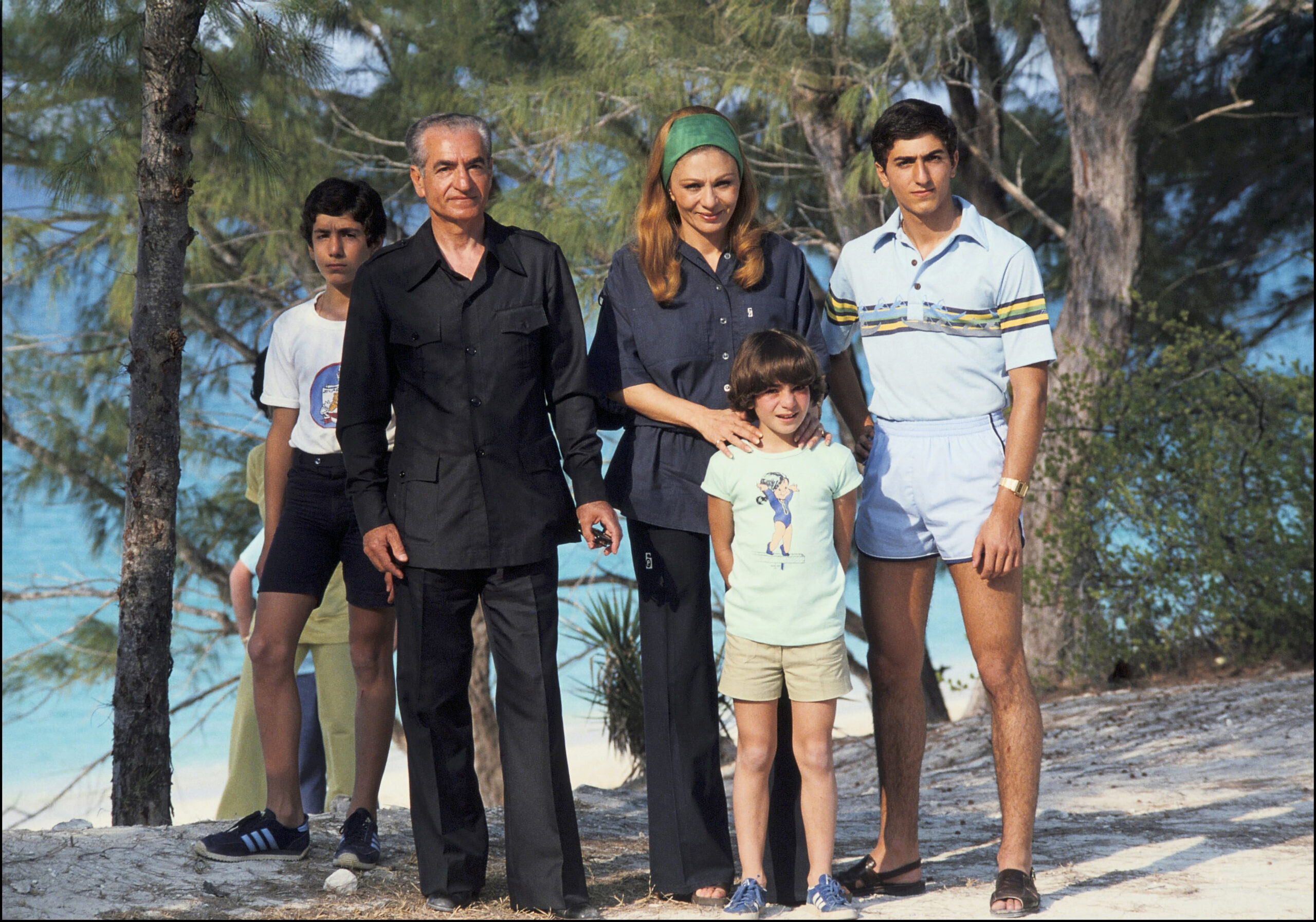
Their initial years in exile were marked by instability, with brief, challenging stays in the Bahamas, Mexico, and on an island off the coast of Panama. Eventually, they were granted refuge in Cairo, where the ailing Shah passed away from leukaemia just a few months later. At 41, with four young children and facing a death sentence from the new Islamic Revolutionary Government, Farah’s world was irrevocably altered. She retreated from public life, often portrayed in her homeland as a decadent figure who had narrowly escaped the fate of Marie Antoinette.
A Cinematic Tribute and a Nation’s Unrest
In 1981, President Ronald Reagan extended an invitation for Farah to reside in the United States. Today, she divides her time between a residence near Washington D.C. and her apartment in Paris. A significant development in her story is the ongoing production of a feature film chronicling her life. Hollywood producer Rosanna Grace, leading the project, explained that the inspiration stemmed from the global outcry following the 2022 death of Mahsa Amini, a young woman whose arrest and subsequent death by Iran’s “morality police” for not wearing a hijab sparked widespread outrage.
“We’re very honoured to be making this movie,” Grace stated. “We believe it’s an ideal time to tell the story of Farah Diba, not just as a queen, but as a woman and a mother and a historic figure.” While details, including casting, remain under wraps, Farah has given her full endorsement to the film, granting the filmmakers access to private family archives. She, too, believes the timing is opportune, as Iran is once again a hotbed of dissent and resistance, this time directed at the ayatollahs and their oppressive apparatus. According to Farah, the nation is in a state of severe crisis.
Iran: A Nation in Peril
The current situation in Iran is dire. Basic necessities are scarce, living standards are plummeting, and critical infrastructure is deteriorating. Youth unemployment is estimated to exceed 60 percent, forcing the nation’s most talented individuals to seek opportunities abroad. Despite facing severe repercussions for any form of opposition, tens of thousands of Iranians continue to participate in demonstrations against the regime. A nationwide strike by truck drivers in May, protesting government-imposed wage cuts, effectively paralysed large sections of the country. In the western cities of Shushtar and Ahvaz, elderly residents protesting drastic pension reductions stood defiantly in freezing temperatures, chanting, “We will not live under tyranny.” On the streets of Tehran, a more defiant call is increasingly being heard: “Crown Prince, where are you?”
Crown Prince Reza Pahlavi: A Potential Leader?
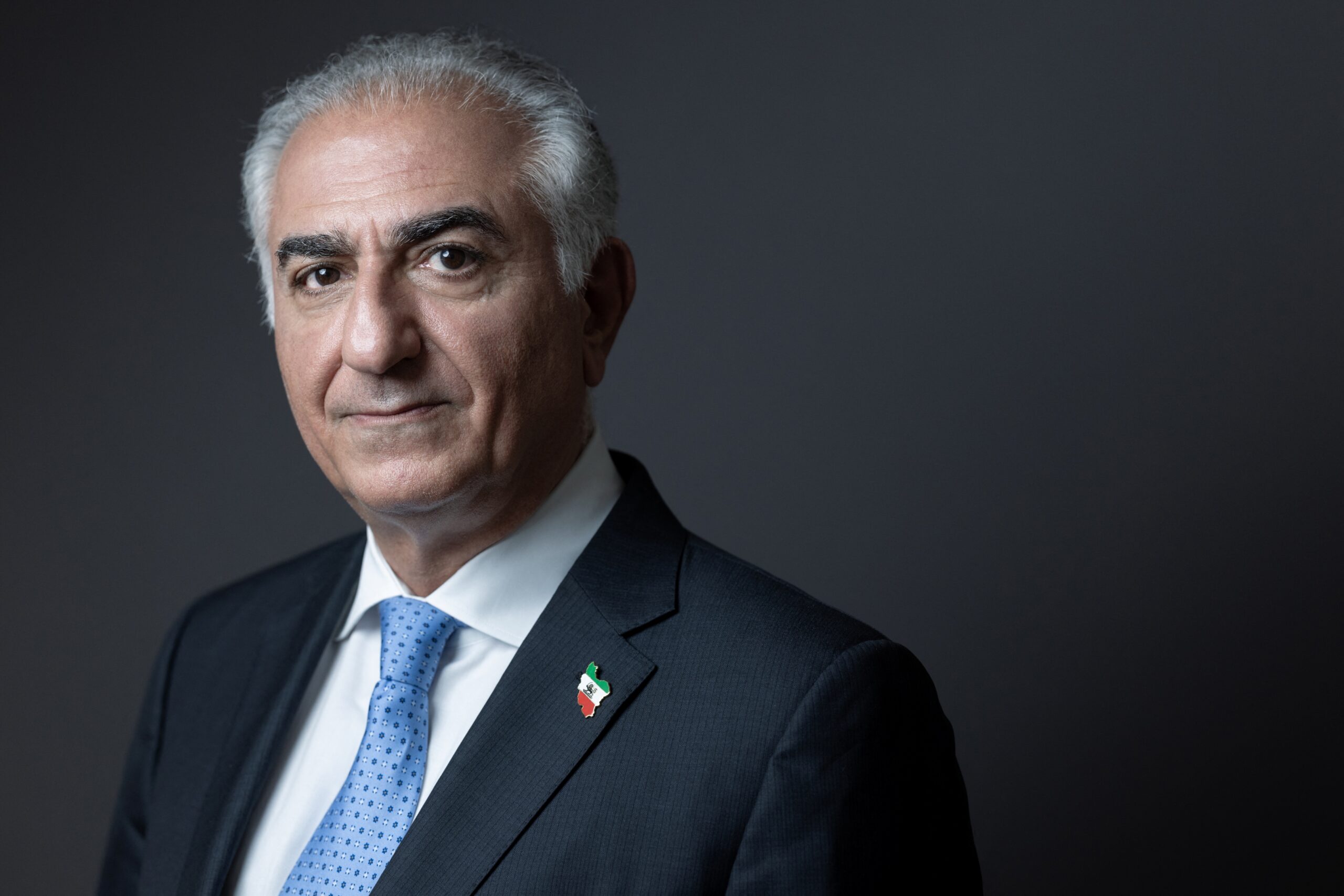
Farah’s eldest son, Crown Prince Reza Pahlavi, now 64, was a young man on a chartered jet when he last saw his homeland. Today, many view him as a potential saviour for Iran. Based in the United States, where he leads the National Council of Iran, an exiled opposition group, Reza has been measured in his approach to any future role. However, Farah senses that his moment may be approaching. “The regime is growing weaker by the day,” she shared in a previous interview. “It has no legitimacy. Every day I am at my desk. I am in touch with everything that is happening. People send me emails and letters. Most of them are from younger people. Many, many are from young women. They are desperate for change.”
Not everyone who desires an end to the clerical dictatorship believes the royal family has a viable role in Iran’s future. Reza, in particular, is perceived by many fellow exiles as being out of touch and lacking the necessary leadership qualities. Sanam Vakil, an Iran analyst at London’s Chatham House, commented, “He’s completely detached from the facts on the ground. I don’t think he has the capabilities to bring people together.”
Life Beyond Iran
Despite spending more years in exile than she lived in Iran, Farah finds her situation profoundly difficult. “I do not wish it on anyone,” she stated. “Sometimes you may be away from your home but at least be able to see that your country is well and the people are being looked after. To be away and see your country suffering is very hard.” What sustains her is the affection she receives, even from those who were not alive during the revolution. “Sometimes they ask to have their photographs taken with me, perhaps to kiss my hand. I say, ‘Aren’t you afraid to be seen with me?’ and they say, ‘No, we can’t afford to be afraid’.”
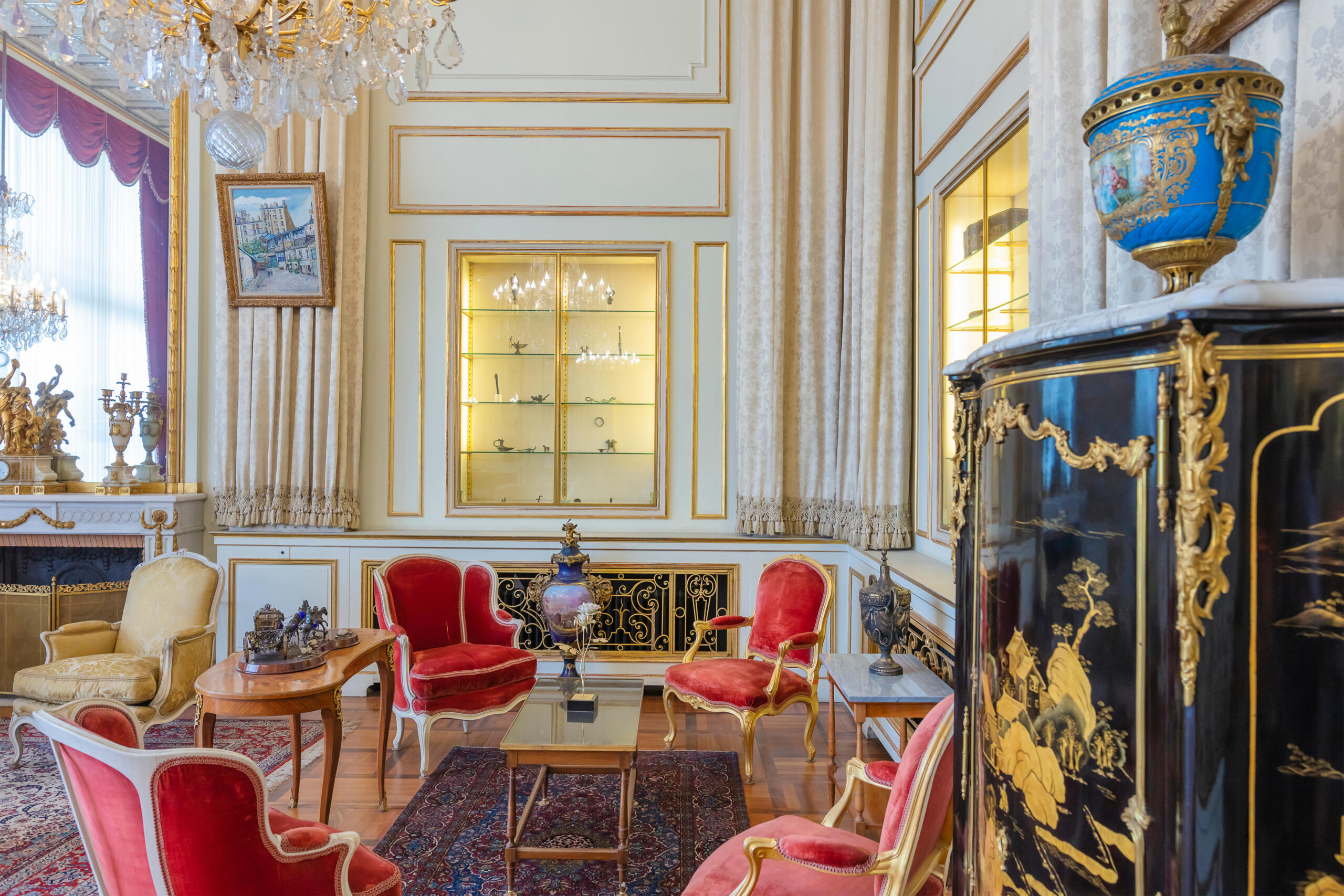
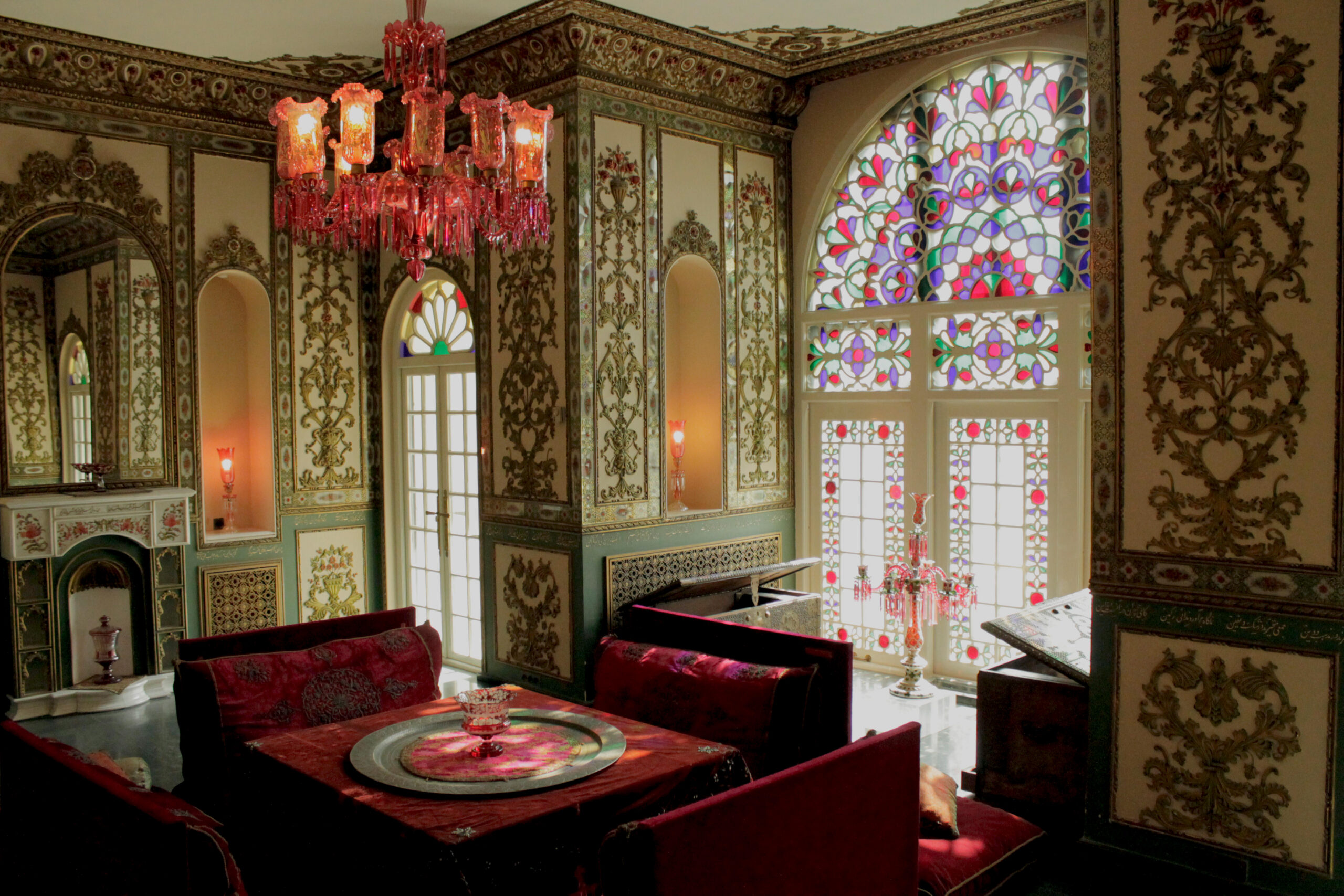
Her Parisian residence, a testament to refined taste, is adorned with exquisite Persian rugs and ancient artefacts. A discreet maid attends to her needs, offering handmade sweets. The Shah is estimated to have taken approximately US$100 million out of Iran before his departure. While a significant portion was reportedly lost due to financial mismanagement, it is evident that Farah maintains the means to live comfortably.
A Family Scarred by Trauma
Much of Farah’s regret stems from the profound impact of their long exile on her family. Two of her four children have tragically died by suicide: her daughter, Leila, in a London hotel room in 2001, and her younger son, Ali Reza, while studying at Harvard University in 2011. She believes their family’s traumatic history contributed to both losses. She has never remarried, and the suggestion seems to affront her. “The memory of my husband is still too much alive in me,” she explained. “Also, I feel that I am now married to my purpose in life, which is to see my country free.”
The Rise and Fall of the Pahlavi Dynasty
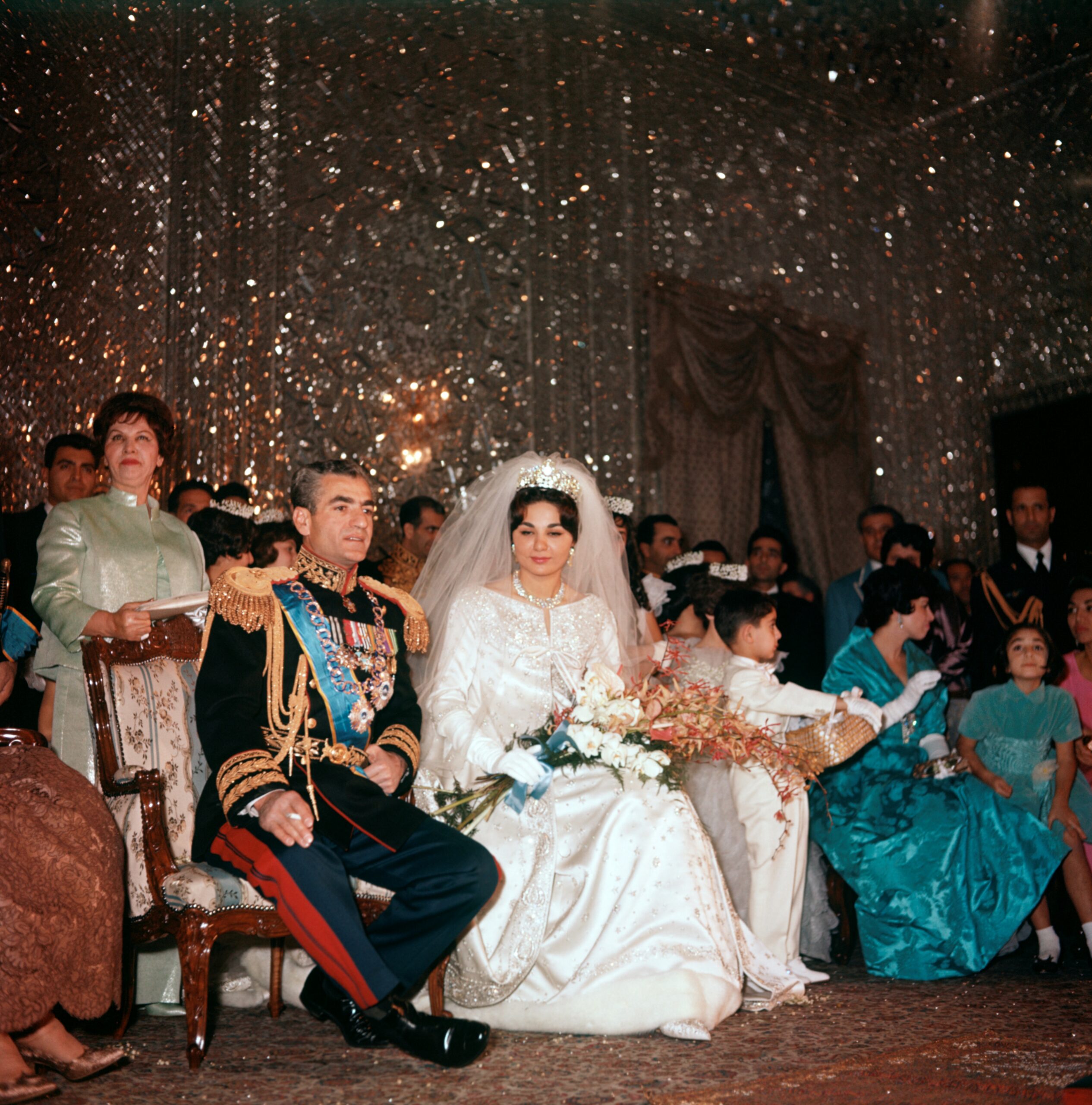
Farah hailed from a prosperous Tehran family. Tall, intelligent, and athletic, she attended a French-speaking school, a common path for the Iranian elite, before moving to Paris to study architecture. At 21, she captured the attention of the 40-year-old, recently divorced Shah at a reception at the Iranian Embassy. They married within a year, with Farah wearing a Saint Laurent gown and a two-kilogram diamond tiara crafted by Harry Winston.
The young Empress actively supported the Shah’s “White Revolution,” a bold initiative to modernise Iran, a nation deeply rooted in feudal traditions and religious customs. She was particularly instrumental in advocating for women’s rights in education, healthcare, and political participation. Amidst the accolades from Western nations, it was easy to overlook the autocratic nature of the Shah’s rule. Opposition was brutally suppressed, and political adversaries were frequently eliminated or forced into exile by his notorious SAVAK secret police. His land reforms and social restructuring efforts alienated both the secular elite and the religious establishment. A declassified CIA report described the Shah’s court as “a centre of licentiousness and depravity, of corruption, influence peddling and intimidation,” conspicuously omitting details of the Shah’s personal indiscretions and lavish spending of national wealth.
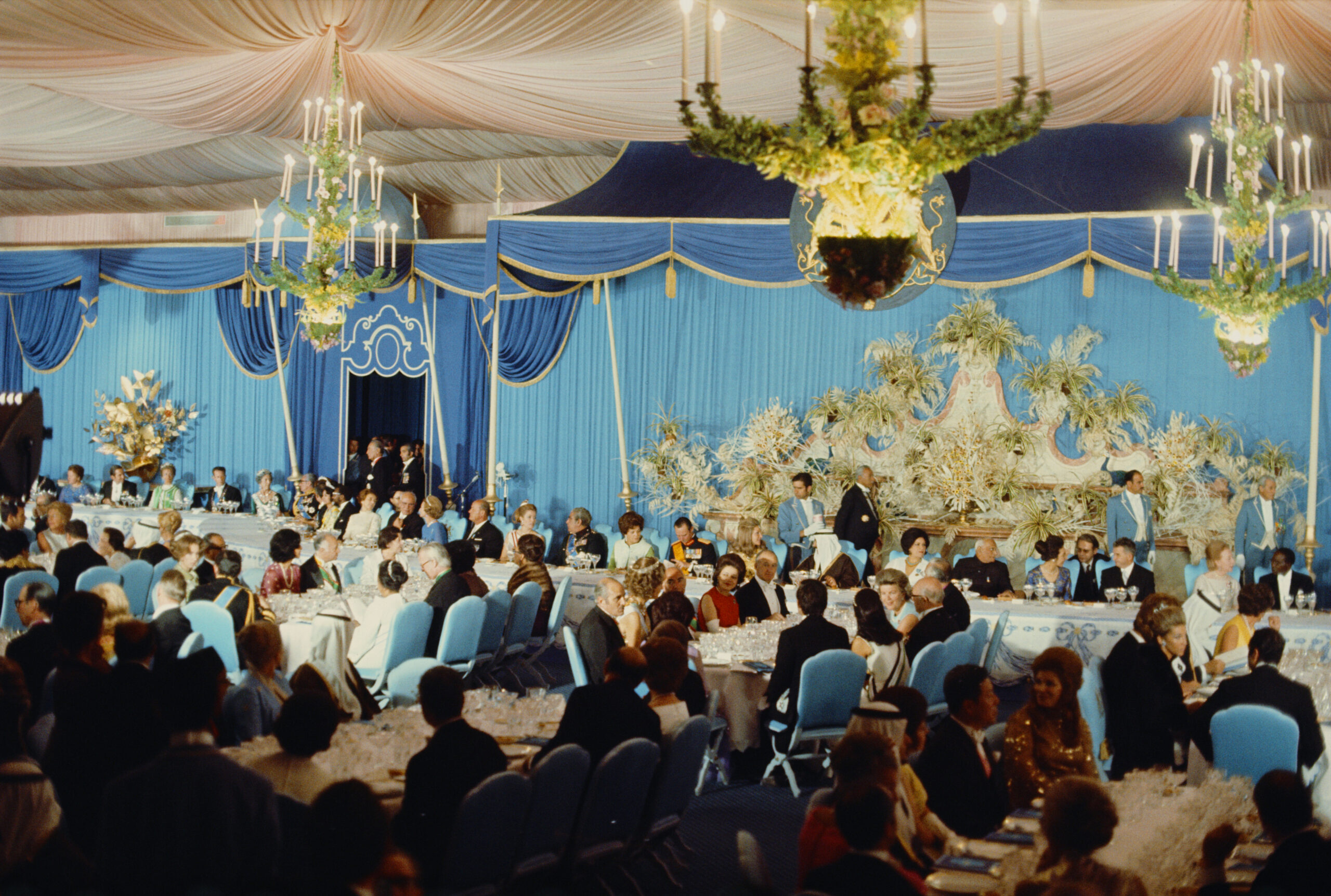
The dynasty’s zenith was marked by a monumental celebration in 1971: a lavish event commemorating the 2500th anniversary of the Persian Empire’s founding by Cyrus the Great.
A Reign of Extravagance and Growing Discontent
Hundreds of global leaders and dignitaries converged on Tehran for a week of unparalleled extravagance. Attendees included Imelda Marcos of the Philippines, Prince Rainier and Princess Grace of Monaco, King Juan Carlos of Spain, Emperor Haile Selassie of Ethiopia, and the Duke of Edinburgh. Critics viewed this opulent display as evidence of the Pahlavis’ vanity, extravagance, and unsuitability to govern.
Simultaneously, hostility towards the regime began to escalate. From his exile in France, Ayatollah Ruhollah Khomeini, the Shah’s most prominent Islamic opponent, amplified his condemnations. Decades later, Farah remains steadfast in her belief that her husband, whom she still refers to as “His Majesty,” was profoundly misunderstood. “Iran was living in the Middle Ages,” she asserted. “We lifted the veil. I would never criticise him. Many of the things that supposedly happened, happened without his knowledge. He gave me, as a woman – and millions of other women – the opportunity to pursue our dreams.”
Reluctantly, she concedes, “We could perhaps have been more humble.” She acknowledges that some changes may have been too rapid, and that the Shah’s autocratic tendencies, his resistance to counsel, and the lack of adequate preparation for the sweeping reforms he envisioned played directly into the hands of his adversaries.
Farah Pahlavi Today
After years of justifiable concern for her safety, Farah Pahlavi appears more at ease with her public presence. She enjoys discreet dinners with friends in upscale Parisian restaurants and shops in the fashionable boutiques along the Rue du Faubourg Saint-Honoré. A close friend recently remarked to the French magazine Point de Vue: “Farah is one of the most extraordinary women alive. She was a young ingénue when she married Pahlavi and has lived through things most of us could barely comprehend, and I have never heard her complain on her own behalf about anything.”
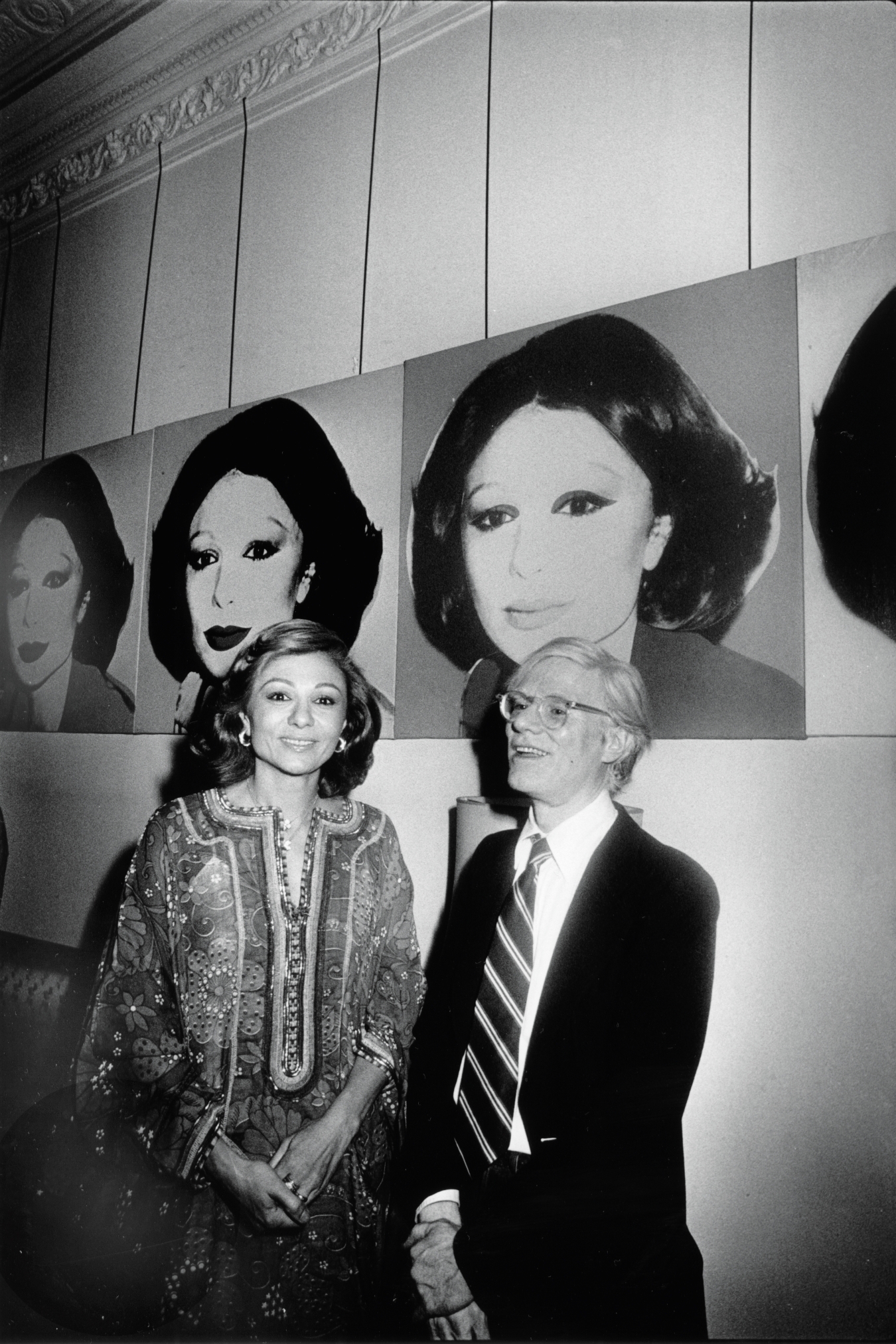
A lifelong patron of the arts, she maintains contact with the Tehran museum she established in 1977 as Shahbanu. This institution housed one of the world’s most valuable, yet largely unseen, collections of paintings and sculptures. Valued at an estimated $3 billion, these masterpieces by artists such as Picasso, Van Gogh, Monet, Salvador Dalí, and Henry Moore were removed by the mullahs as symbols of Western decadence and remained in storage for years. However, late last year, a selection of these “Tehran Treasures” was re-exhibited, attracting massive crowds and prompting an extension of the exhibition’s run. Notably absent from the display was Andy Warhol’s iconic 1970s silkscreen portrait of Farah, which graced the cover of one of her books.
Each year, the extended Pahlavi family convenes at the Shah’s tomb in Cairo’s Al-Rifai Mosque. During their prayers, they remember a man who, in his apparent dedication to his people, ultimately led them into tyranny. “It should never have ended this way,” Farah reflects. “Everyone now knows the revolution was a terrible mistake. I just want to be there again and hear the people say so.”