
Maher’s Sharp Jab at Schiff Over Presidential Powers and Iran
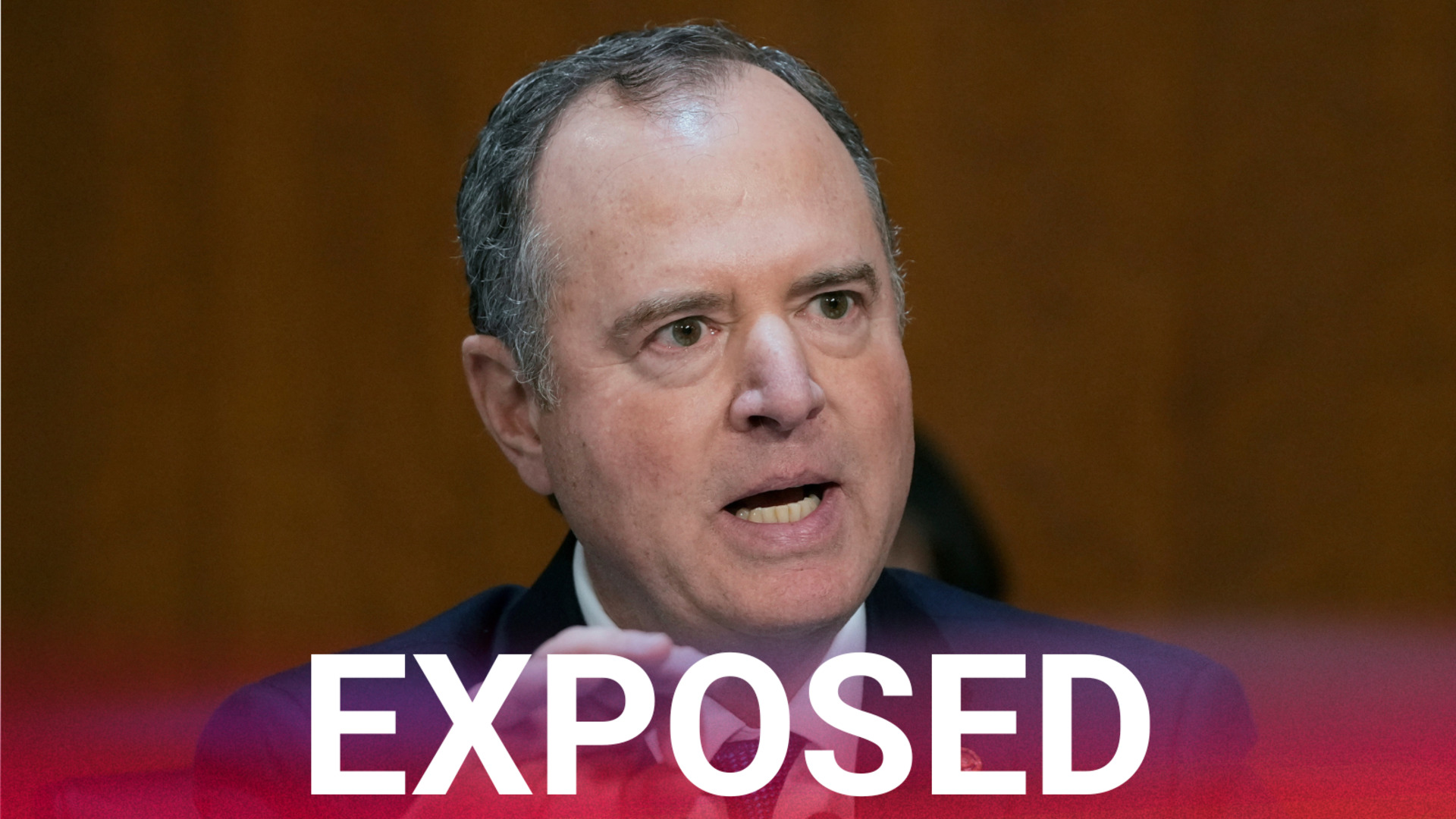
Veteran comedian and political commentator Bill Maher recently delivered a pointed critique, seemingly catching US Senator Adam Schiff off guard during a segment on his HBO show, Real Time with Bill Maher. The exchange, which touched upon the complexities of US military action, particularly in relation to Iran, highlighted a perceived inconsistency in Schiff’s stance on presidential authority.
The crux of Maher’s argument revolved around the use of presidential power to authorise military strikes. He strategically quoted a statement from a former administration, which asserted the president’s “constitutional authority to direct the use of military force because he could reasonably determine that such use of force was in the national interest.” Maher presented this statement to Senator Schiff, deliberately withholding the name of the president who issued it, thereby framing it as a general principle of executive power.
* Comedian Bill Maher on his show “Real Time with Bill Maher”.
Maher’s challenge to Schiff was direct: “That’s too vague for you?” This question was designed to elicit Schiff’s reaction to the broad justification for military intervention. Senator Schiff, in turn, responded by labelling the statement as “totally vague,” aligning himself with a critique of such broad executive discretion.
The comedian then delivered his punchline, revealing the source of the “vague” statement. “OK. Because that’s from Obama about Libya,” Maher declared. This revelation immediately placed Senator Schiff in a defensive position. The implication was clear: Schiff had readily condemned a statement as vague when its origin was unknown, but was forced to reconsider his position when it was revealed to be from a previous Democratic administration, specifically concerning the intervention in Libya.
This tactic by Maher aimed to expose what he perceived as a partisan double standard in how politicians apply scrutiny to the executive branch’s war-making powers. By linking Schiff’s criticism to a past Democratic action, Maher suggested that the Senator’s concerns about vagueness might be more about political expediency than a consistent adherence to constitutional principles.
The discussion, while brief, underscored a recurring theme in American foreign policy debates: the balance of power between the executive and legislative branches, and the often-blurred lines of presidential authority in matters of national security. Maher’s approach, using a rhetorical device to highlight potential hypocrisy, aimed to provoke a more thorough examination of these fundamental issues.
The Nuances of Presidential War Powers
The United States Constitution grants Congress the power to declare war, yet the executive branch, through its role as Commander-in-Chief, has frequently asserted the authority to deploy military forces without a formal declaration of war. This has led to ongoing debates about the scope of presidential power, particularly in the post-World War II era.
Key historical moments that have shaped this debate include:
- The Korean War: President Truman deployed troops to Korea without a congressional declaration of war, arguing it was a “police action” under UN auspices.
- The Vietnam War: This extended conflict saw significant presidential involvement, leading to increased congressional oversight and eventually the War Powers Resolution of 1973. The Resolution aimed to limit the president’s ability to commit US forces to armed conflict without congressional consent.
- Post-9/11 Interventions: Following the September 11th attacks, Congress passed Authorisation for Use of Military Force (AUMF) resolutions, which have been broadly interpreted by subsequent administrations to justify military actions in various countries, often without specific congressional approval for each engagement.
* Senator Adam Schiff.
Senator Schiff, as a prominent figure in national security discussions, has often been vocal about the need for transparency and accountability in foreign policy decisions. His role on intelligence committees has often placed him at the forefront of scrutinising executive actions, particularly those involving military interventions and the use of intelligence.
The exchange with Bill Maher, however, suggested that even seasoned lawmakers can be caught in a rhetorical trap when their pronouncements are tested against past actions of their own party or administration. Maher’s strategy was to highlight how a broad statement about presidential power, which Schiff found “totally vague” in the abstract, was part of a documented presidential action by a former Democratic president. This forced a moment of introspection, or at least a defensive posture, from the Senator, as he grappled with the implications of his own critique when applied to a historical context.
The debate over presidential war powers remains a contentious and critical aspect of American governance, with each new administration and each new global challenge bringing fresh scrutiny to the balance of authority and the interpretation of constitutional mandates. The interaction between Maher and Schiff serves as a reminder of the public’s expectation for consistency and principled decision-making from their elected officials.


