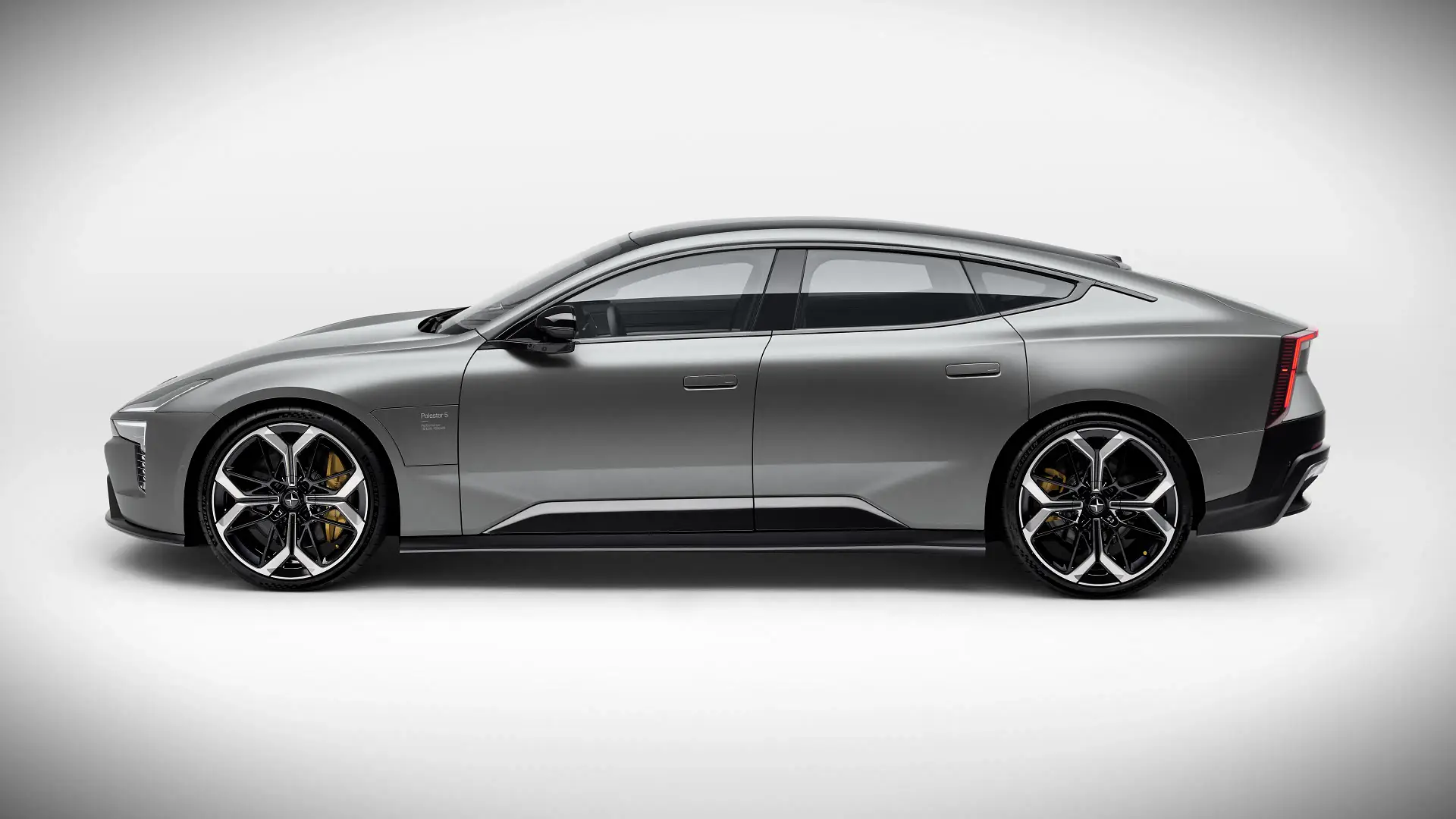
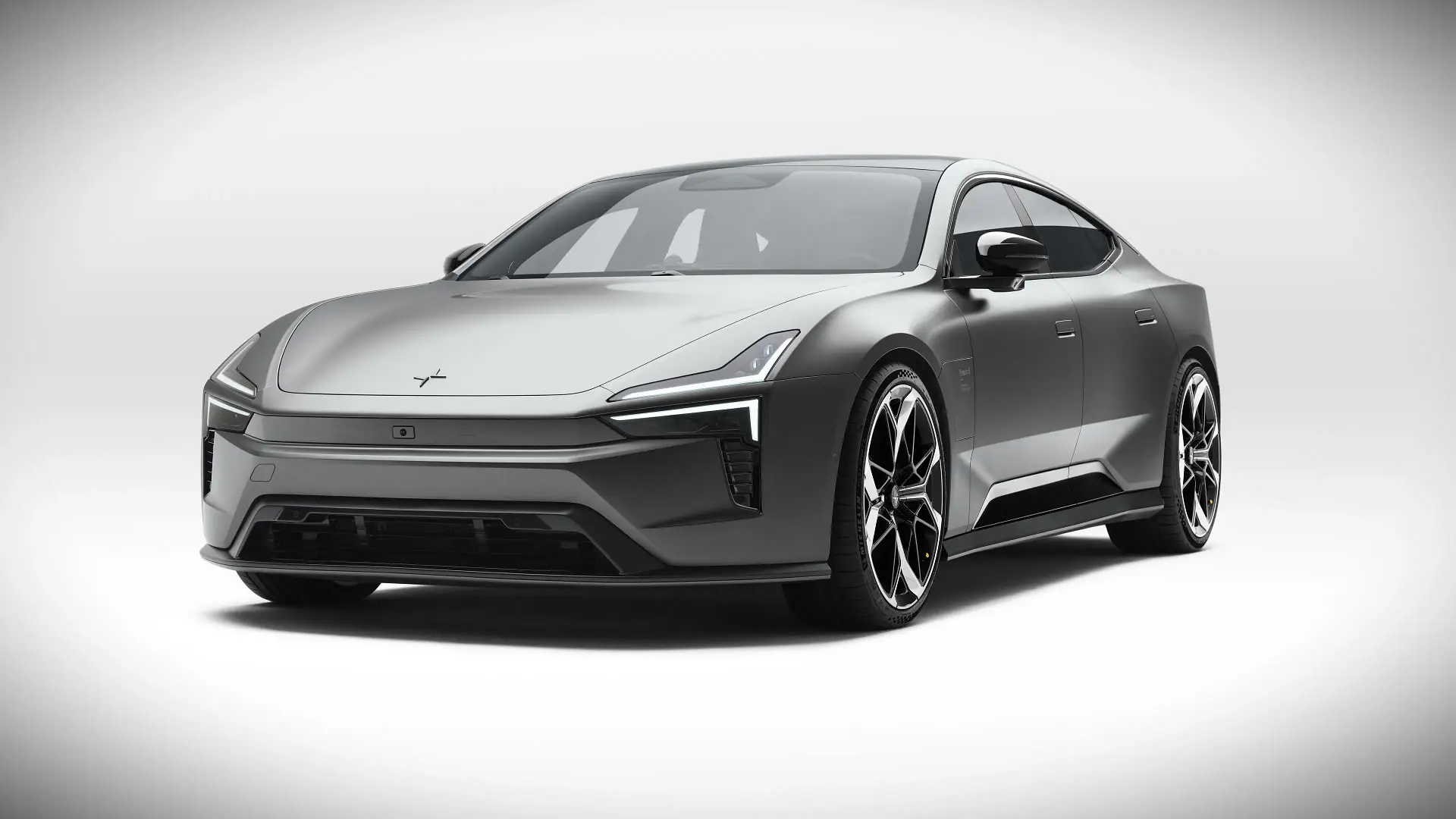
Polestar 5 Lands Down Under: A Performance EV Built for the Outback
The highly anticipated Polestar 5, the Swedish electric performance car maker’s flagship GT, has officially made its debut on Australian soil, gracing Sydney with its presence earlier this month. While local deliveries are slated to commence in the third quarter of 2026, Polestar Australia has been hard at work ensuring this potent electric grand tourer is more than ready for the nation’s unique driving conditions.
Months of rigorous testing have been undertaken, not just on overseas tracks, but extensively within the rugged South Australian outback. This intense validation process was crucial to ensure the Polestar 5 is perfectly calibrated for Australian roads and capable of withstanding the country’s notoriously harsh environments.
“This car has been exhaustively tested, overseas and also here in Australia,” confirmed Scott Maynard, Managing Director for Polestar Australia. “The program focused on high-speed durability, heat management, and ride quality on central Australian roads. In fact, the bulk of the five-year R&D was spent on dynamics rather than fiddling with headlights. It’s a sports car designed for the road, not just the racetrack.”
Performance Prowess and Australian Pricing
Positioned as a direct competitor to established performance EVs like the Porsche Taycan and Audi RS E-Tron GT, the Polestar 5 will be available in two specifications for the Australian market. The entry-level Dual Motor model will kick off at $171,100, with the range-topping Performance variant, which was showcased at the Sydney preview, priced at $193,100.
The Dual Motor configuration boasts an impressive 550kW of power and 812Nm of torque, capable of launching the Polestar 5 from 0 to 100km/h in a brisk 3.9 seconds. This model offers an estimated driving range of 678 kilometres.
Stepping up to the Performance variant unlocks even greater potency, with power figures climbing to 650kW and 1015Nm of torque. This allows for a blistering 0-100km/h sprint in just 3.2 seconds, albeit with a slightly reduced WLTP-rated driving range of 558 kilometres.
Advanced Battery and Charging Technology
Both Polestar 5 variants are equipped with a substantial 112kWh battery pack and feature cutting-edge 800-volt architecture. This advanced system enables ultra-rapid DC fast charging, capable of replenishing the battery from 10 to 80 per cent in a mere 22 minutes when connected to a 350kW charger.
The foundation of the Polestar 5’s dynamic prowess is its bespoke bonded aluminium chassis. This meticulously engineered structure achieves a torsional rigidity of 51,000Nm, a figure that rivals or even surpasses many dedicated supercars. This chassis is a unique, ground-up design exclusively for the Polestar 5 and will not be shared with any other current or future Polestar models. This bespoke approach is unsurprising, given that the Polestar 5 was developed at the brand’s UK research and development centre, which ceased operations in December 2025.
Design Echoes and Innovative Solutions
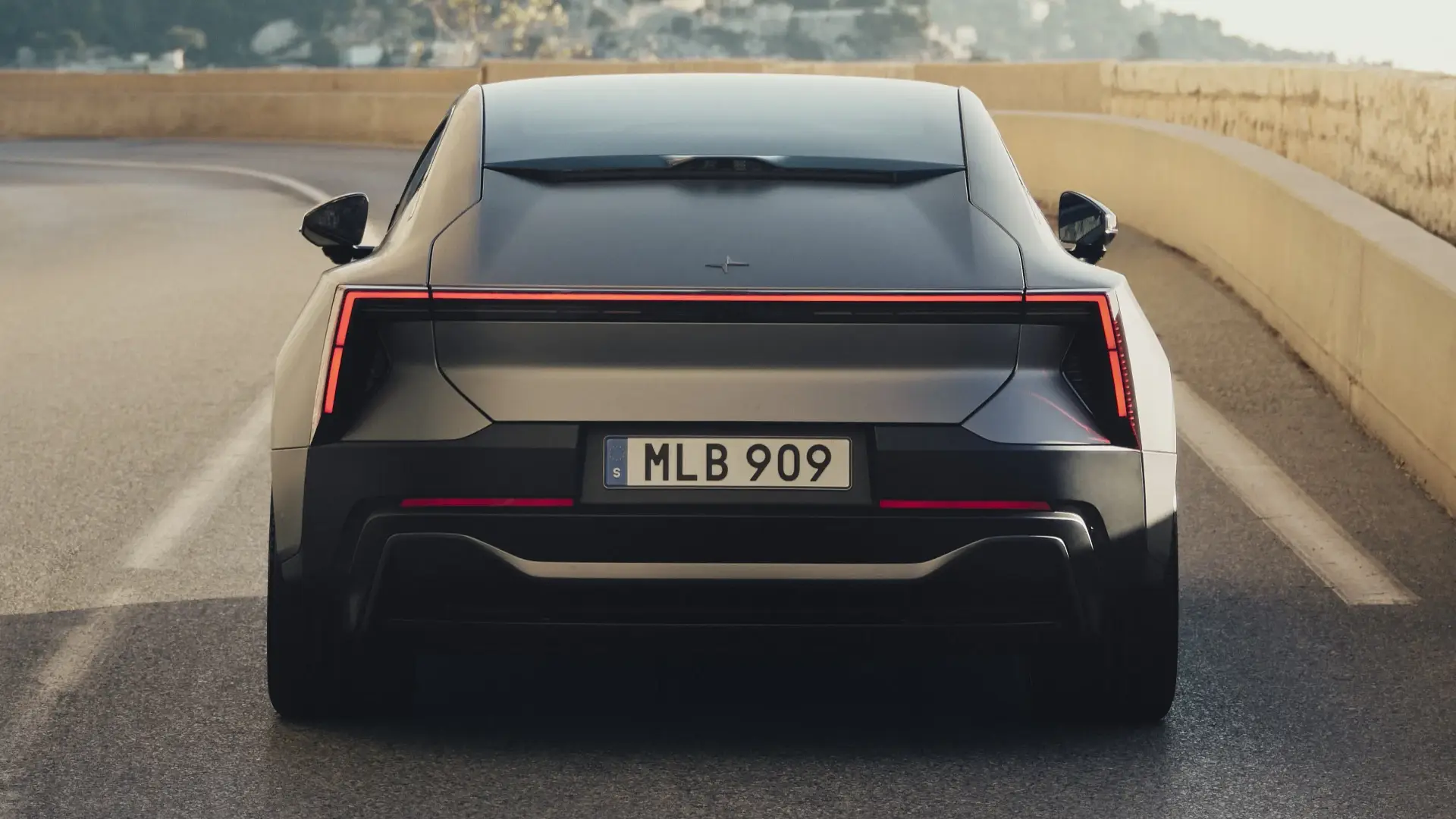
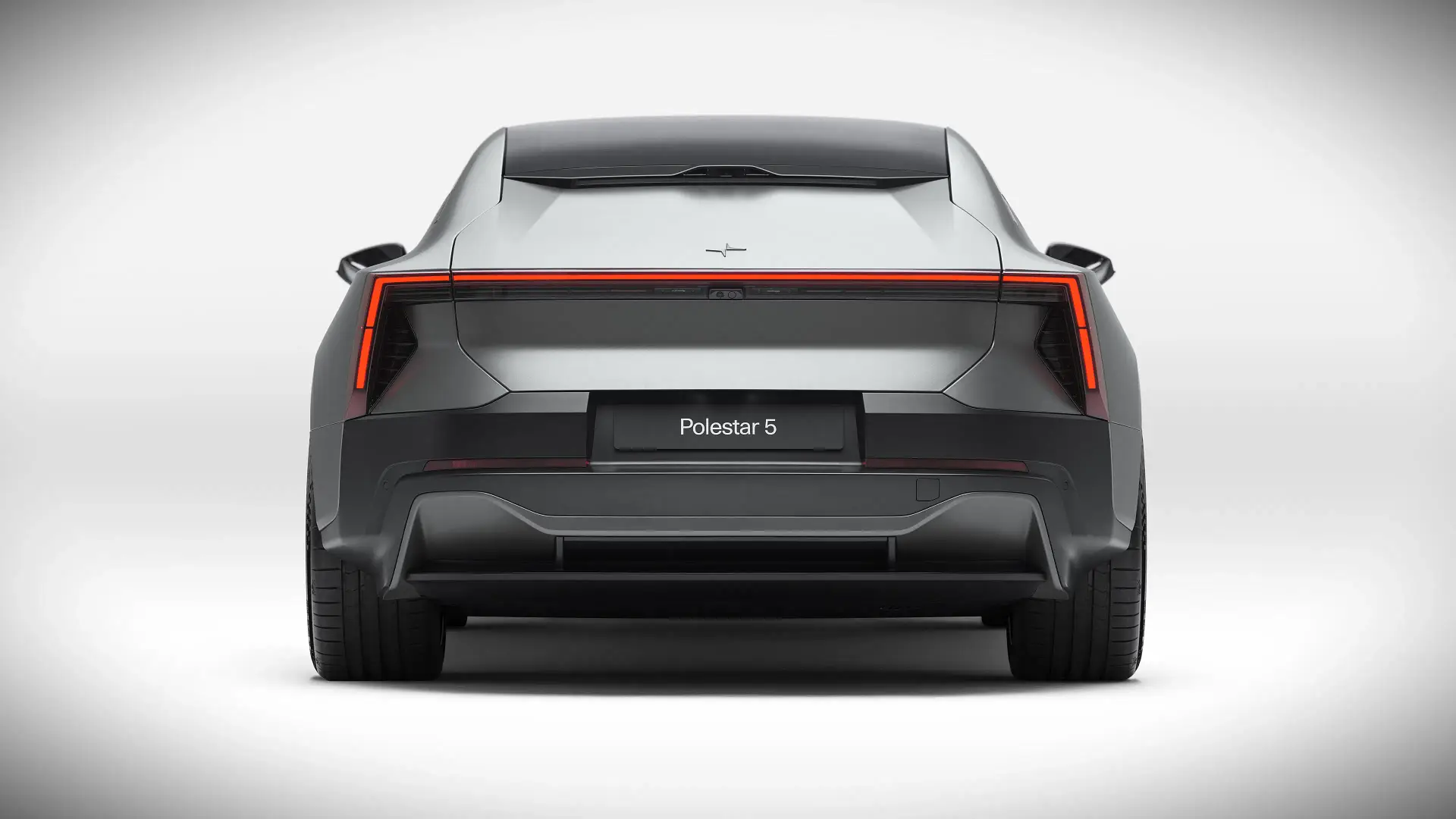
Staying true to the Precept concept that first previewed the design five years ago, the production Polestar 5 maintains its sleek silhouette and incorporates several of the concept’s defining features. Notably, it adopts the controversial omission of a traditional rear window, a design cue also seen in the Polestar 4.
Scott Maynard elaborated on this design choice, explaining that it was driven by safety and structural integrity considerations. “A lot of work has been done to make the rear of the car as comfortable as possible; that’s why just like Polestar 4, we’ve opted to drop the rear window,” he stated. “Polestar won’t compromise on the rollover crash safety of our cars, and so there is a large structural member that runs across the back of the car, behind the passengers’ heads to protect everyone in the unlikely event of an accident.”
He further explained that repositioning the bulkhead to accommodate this safety feature would have significantly restricted rearward visibility, resulting in a “squinty little rear window.” The decision was made to eliminate the rear window entirely and rely on cameras for rearward vision. “It’s the right call, and makes the rear of the car quite a nice place to be,” Maynard added.
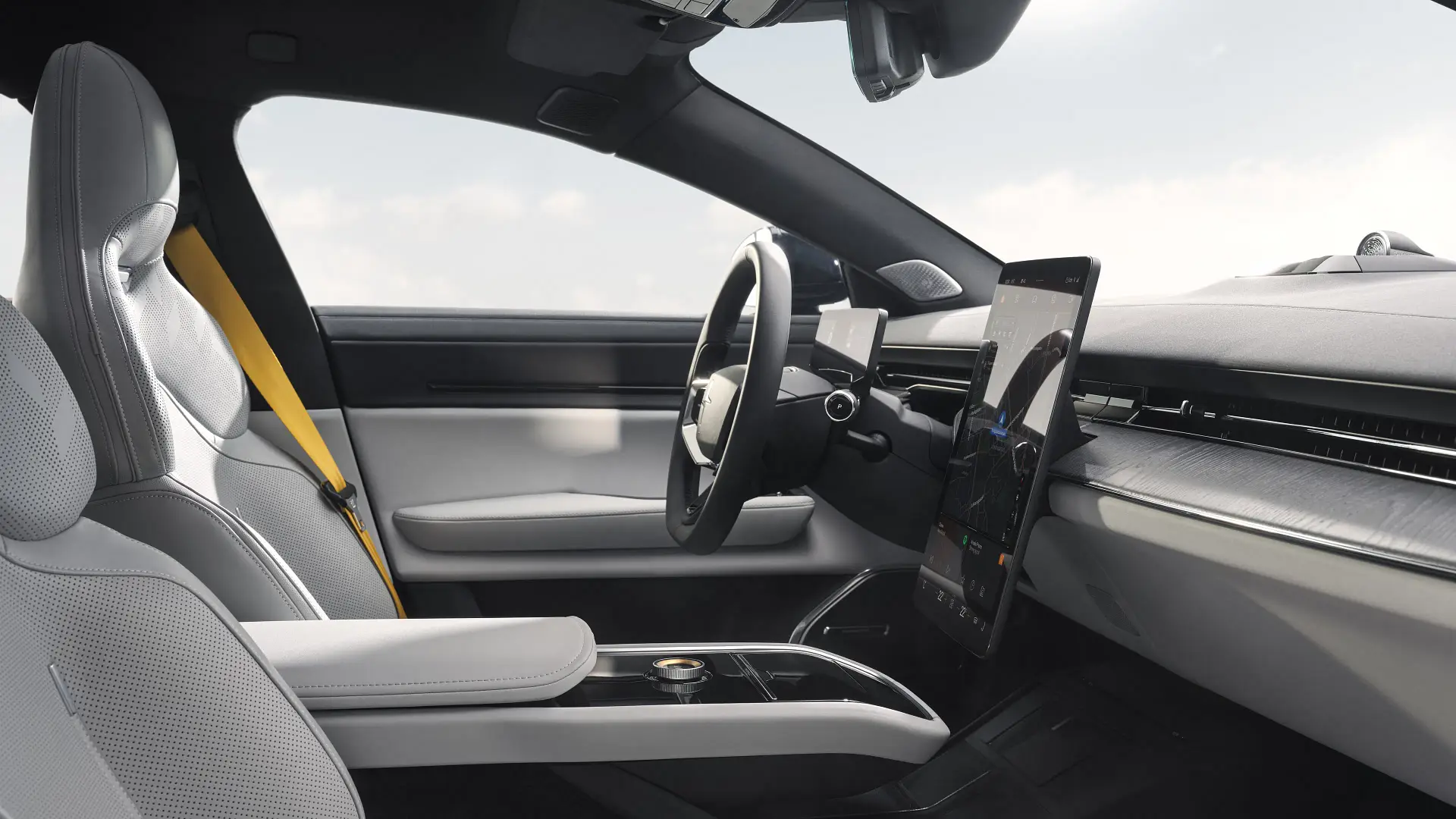
The interior of the Polestar 5 marks a significant enhancement for the brand, introducing Recaro seats for the first time. The cabin also showcases a strong emphasis on sustainably sourced and developed interior materials, an area where Polestar claims to offer unparalleled innovation in the automotive industry.
Strategic Shift: SUVs Over Sports Cars
While the Polestar 5 undoubtedly highlights the brand’s capabilities in crafting high-end performance vehicles, the company is strategically shifting its focus and resources towards more volume-oriented models. The Polestar 5 is set to lead an expanded product line-up, which includes a refreshed Polestar 2 due early next year, a wagon variant of the Polestar 4 anticipated by the end of this year, and the highly awaited Polestar 7 compact SUV, expected to arrive by early 2028.
This strategic pivot has led to the Polestar 6 roadster being placed on the back burner for the time being. Maynard underscored the urgency of introducing the Polestar 7 to tap into the massive compact SUV market. He noted that while the Polestar 5 will remain a niche halo product, it serves a vital purpose in demonstrating the brand’s prowess in building sophisticated performance cars.
“The Polestar 6 is still coming, but all engineering resources are currently directed toward the Polestar 7,” Maynard confirmed. “That is the car the brand needs more right now: an entrant into the compact SUV market. The Polestar 5 makes the brand statement; the Polestar 7 will provide the volume.”