


Fuel Reserve Fears and Price Hysteria Grip Australia Amidst Global Tensions
Australia’s strategic fuel reserves, a critical national asset, are being eyed with trepidation as the nation grapples with what one industry leader describes as “self-inflicted” fuel price hysteria. The escalating global oil prices, exacerbated by ongoing geopolitical conflicts, have prompted discussions among G7 nations about a coordinated release of oil from their strategic reserves, a move that has raised concerns about the potential implications for Australia.
The G7, comprising Canada, France, Germany, Italy, Japan, the United Kingdom, and the United States, is considering releasing between 300 to 400 million barrels of oil. This potential action, which could be coordinated through the International Energy Agency, has put a spotlight on Australia’s own fuel security.
Australia’s Fuel Stockpile: A Closer Look
Currently, Australia holds approximately 36 days’ worth of petrol, 29 days of jet fuel, and 32 days of diesel in its reserves. However, according to Peter Khoury, the executive chairman of the NRMA, these reserves are not intended for everyday consumers.
“And, those reserves aren’t for you and I. They’re for the military and transport and emergency services,” Mr. Khoury stated. He emphasised the gravity of a situation that would necessitate tapping into these reserves, describing it as “one can only dread how bad things would have to get for us to get to that situation.” The NRMA hopes Australia will never have to access these critical national stockpiles.
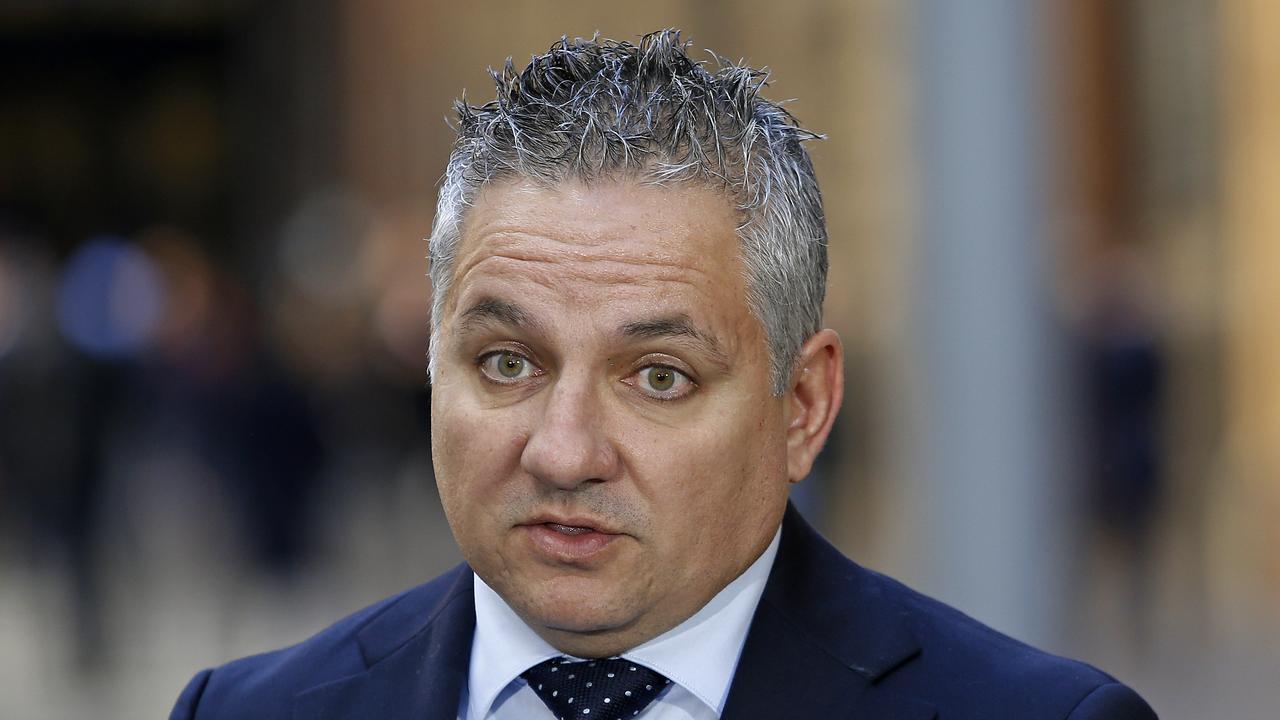
Record Highs Looming at the Bowsers?
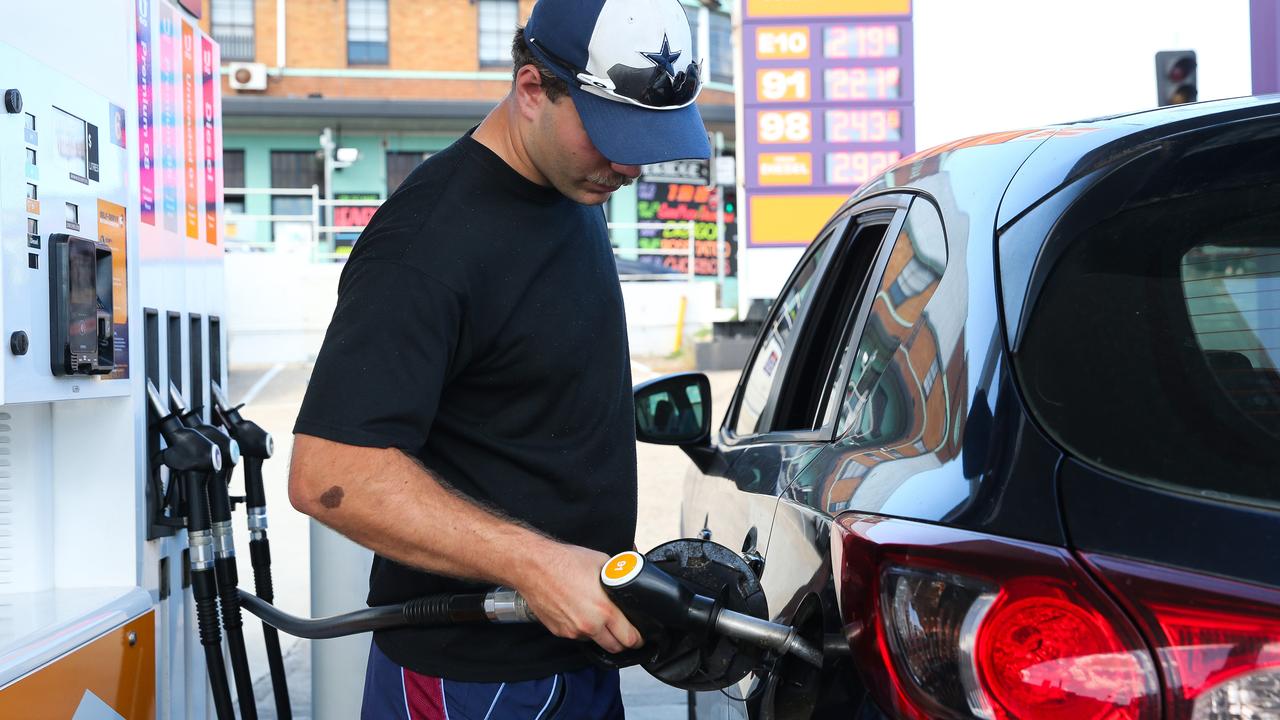
Mr. Khoury issued a stark warning, suggesting there is “every chance” that petrol prices could surpass records set at the beginning of the full-scale invasion of Ukraine. He indicated that current prices are already pushing the limits of what consumers might expect. However, he pointed to panic buying as a significant driver of these escalating prices at the bowser.
“That’s what’s so frustrating,” Mr. Khoury commented. “We saw people stockpiling fuel, filling up jerry cans – behaviour that we wouldn’t normally see. Then, particularly the independents in regional areas, started running out of fuel.” While price increases in major cities like Sydney and Melbourne have shown signs of slowing, the overall impact is expected to be an “inflationary pressure.”
“Well, our economy runs on diesel,” Mr. Khoury explained. “So, if the diesel prices keep going up and they have been, that is absolutely going to feed into inflation in a big way.”
Political Crossfire Over Fuel Security
The escalating fuel concerns have also ignited a political debate, with differing views emerging on the state of Australia’s fuel reserves and the factors contributing to potential shortages.
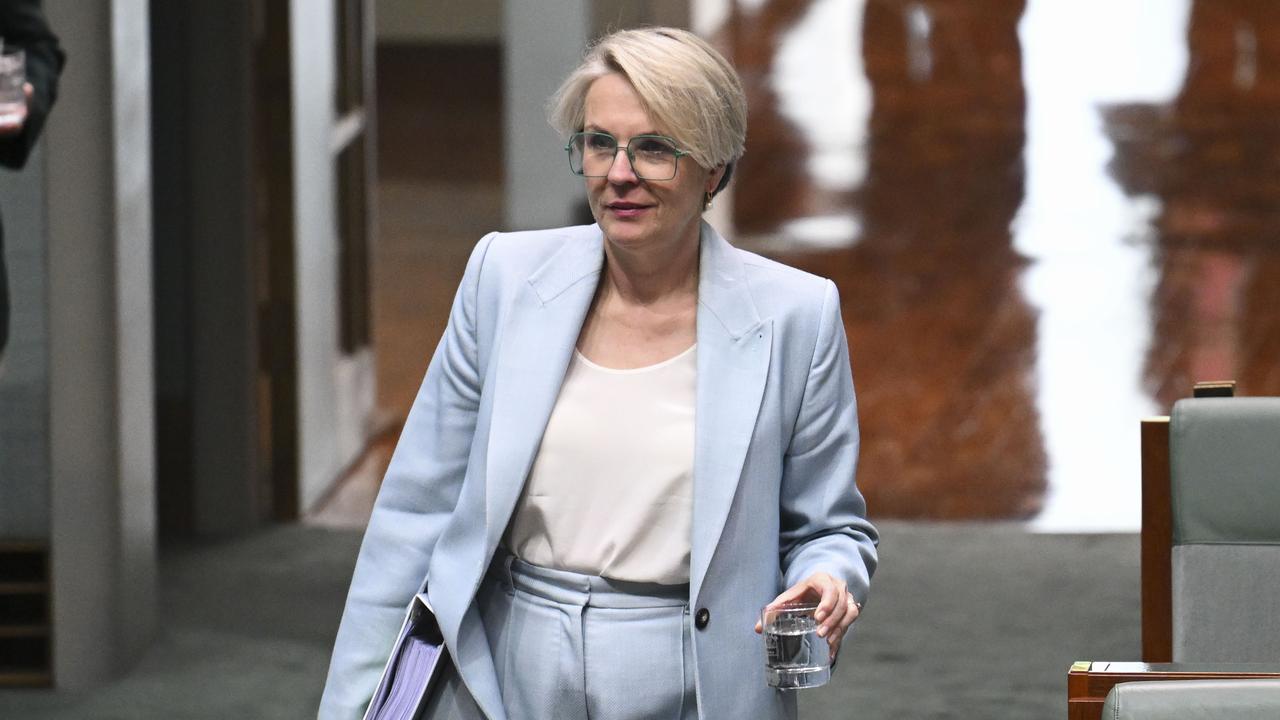
Federal Social Services Minister Tanya Plibersek urged Australians to avoid panic buying, assuring the public that Australia possesses “the biggest fuel stocks that we’ve had any time in 15 years.” She highlighted the substantial reserves of diesel and petrol, adding that “there are still ships on the way, so the last thing we need to see is panic buying.”
However, One Nation MP Barnaby Joyce countered, attributing the reduction in Australian fuel stockpiles to the closure of domestic refineries, which he linked to Labor Party-supported climate policies. “I hope you’re enjoying climate policy. This is what you get, and what we’re going to have is a massive problem for Australia,” Mr. Joyce asserted. “We need policy that supports Australia, not tries to change the weather.”
Ms. Plibersek refuted Mr. Joyce’s claims, pointing out that the closure of Australian fuel refineries occurred under his own Coalition government in 2021. “You closed the refineries Barnaby. Four of them closed under you … the two that are open are open because we kept them open,” she stated. She accused Mr. Joyce of being “obsessed with climate change policy” and making unfounded links between the conflict in Iran and climate policy.
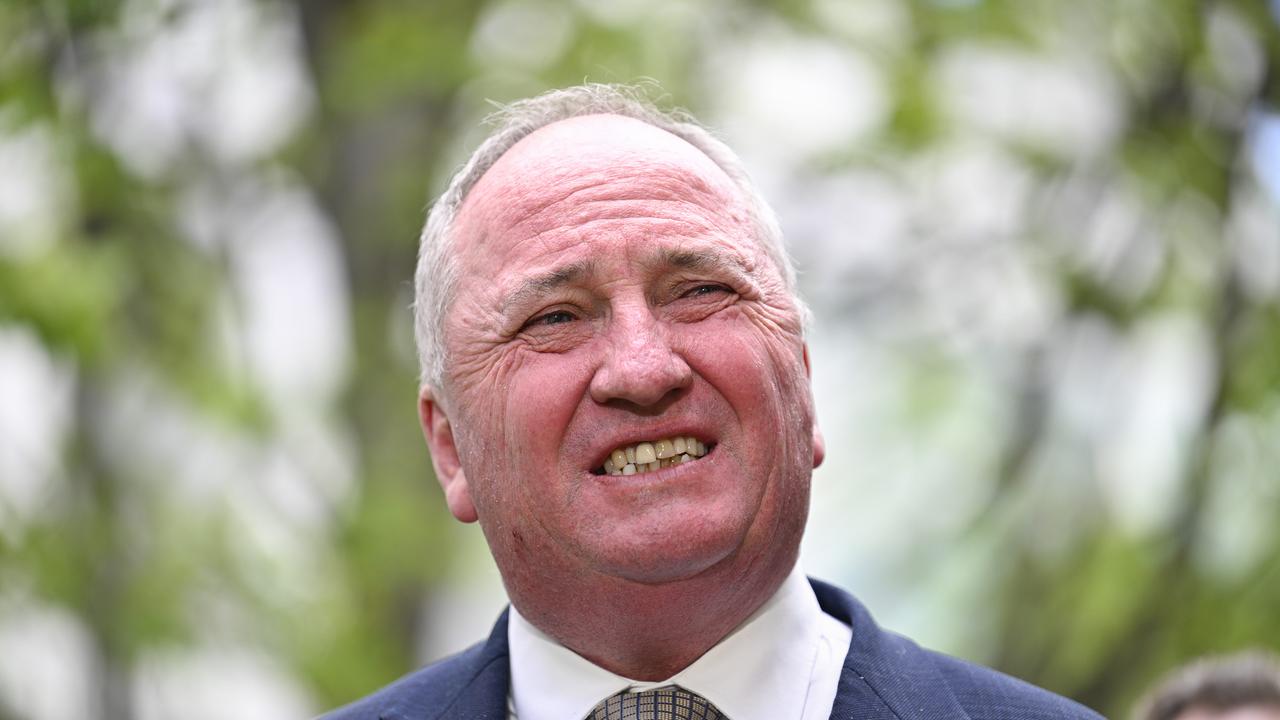
When pressed by Sunrise host Natalie Barr, Mr. Joyce conceded that the Coalition might have made “the wrong thing” regarding previous climate policy.
Regional Australia Faces Fuel Shortages
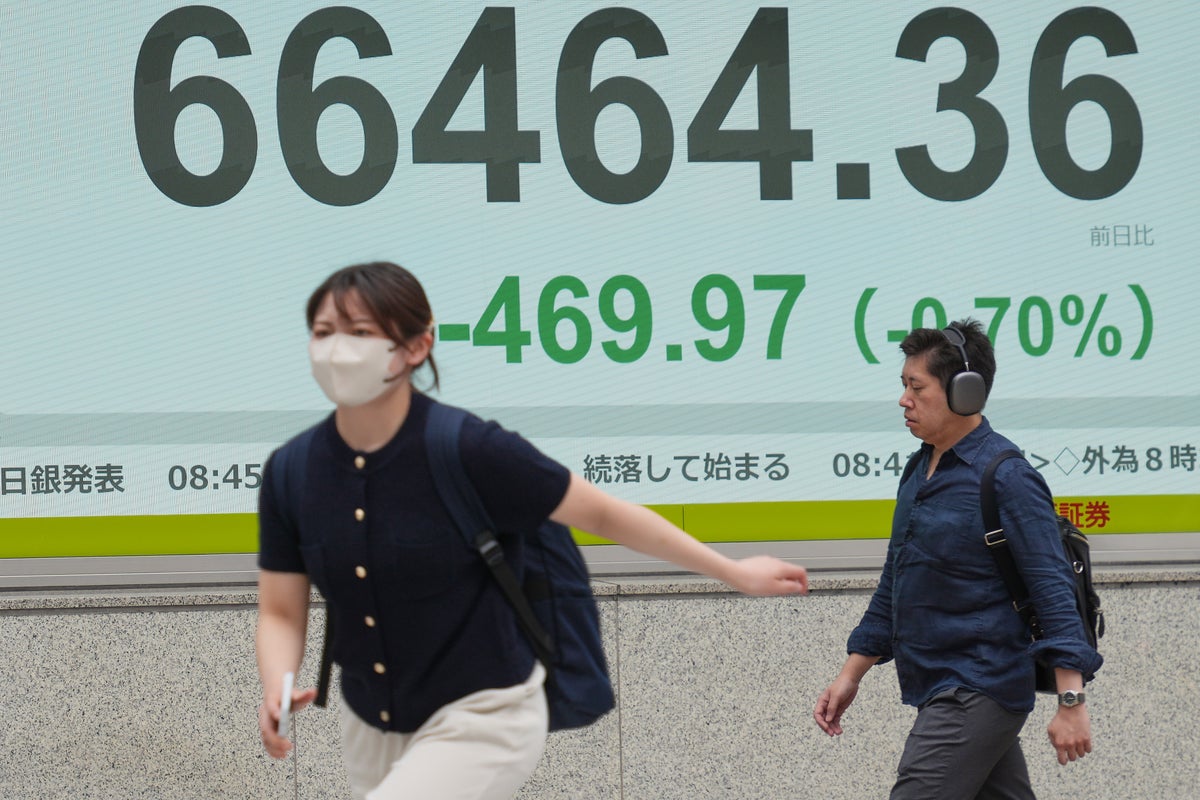
Reports of petrol stations running dry across the country have prompted alarm, particularly in regional areas. A major fuel company servicing NSW’s northeast has called on the Albanese government to intervene amidst widespread fuel shortages. The cost of crude oil has surged past $100 per barrel for the first time in over three years, with Brent crude oil prices climbing significantly due to the ongoing closure of the Strait of Hormuz in the Middle East.
Transwest Fuels, a company based in Tamworth that services areas including Brisbane, Newcastle, and Sydney, has reported critical shortages. A spokesman stated, “We currently have zero petrol supply at Newcastle or Brisbane. This means that once our servos run out of petrol, that’s it. No more.” The spokesman detailed being turned away from Brisbane when attempting to source more fuel for regional areas.
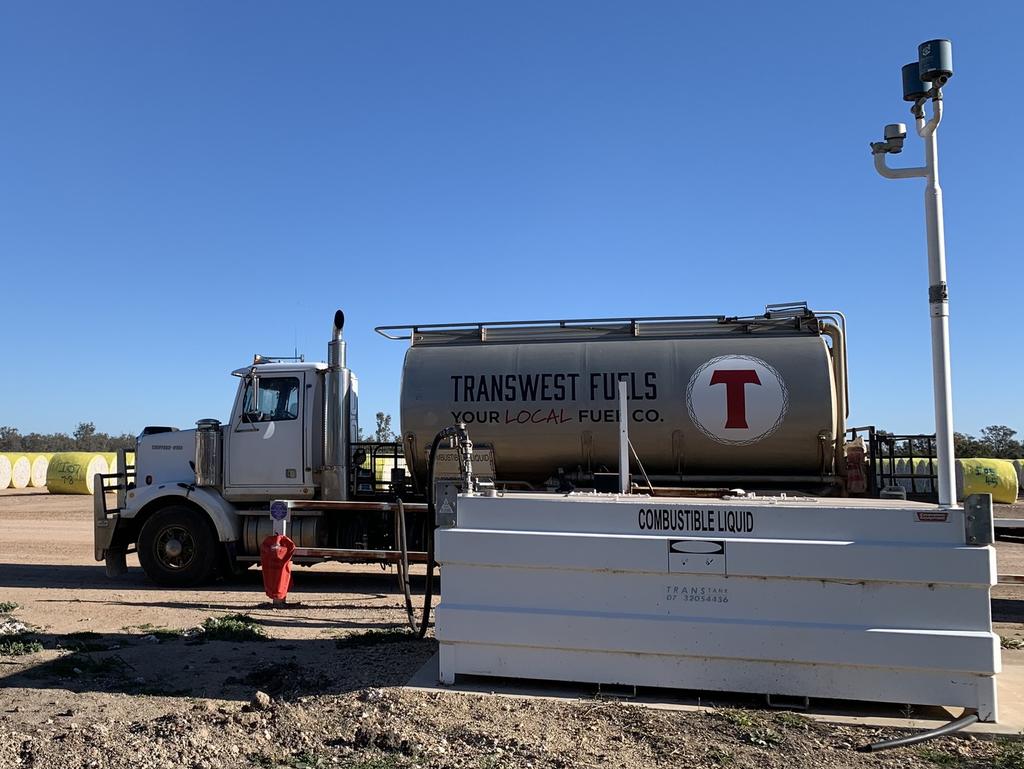
The company has urged Climate Change and Energy Minister Chris Bowen to take action to protect regional areas from the ongoing fuel crisis. Similarly, Queensland-based Bartranz Petroleum reported receiving only 10 per cent of its usual petrol allocation from Brisbane. A spokesman lamented that “Every time we top them up the fuel is depleted within hours by people hoarding fuel in jerry cans and IBCs.”
United Petroleum, a significant independent fuel wholesaler and retailer, has also announced serious fuel shortages, leading to the suspension of normal operations nationwide. “United Petroleum is taking the prudent step of suspending all customer allocations across all locations effective immediately while we fully assess our supply position and incoming cargo schedules,” a statement read.
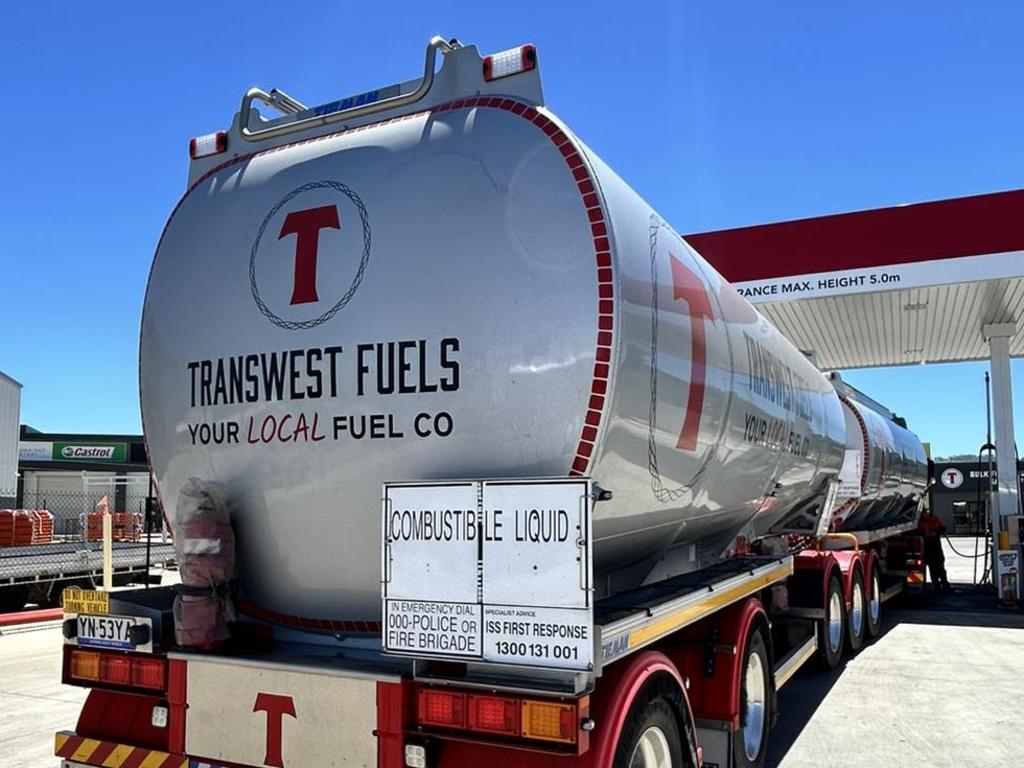
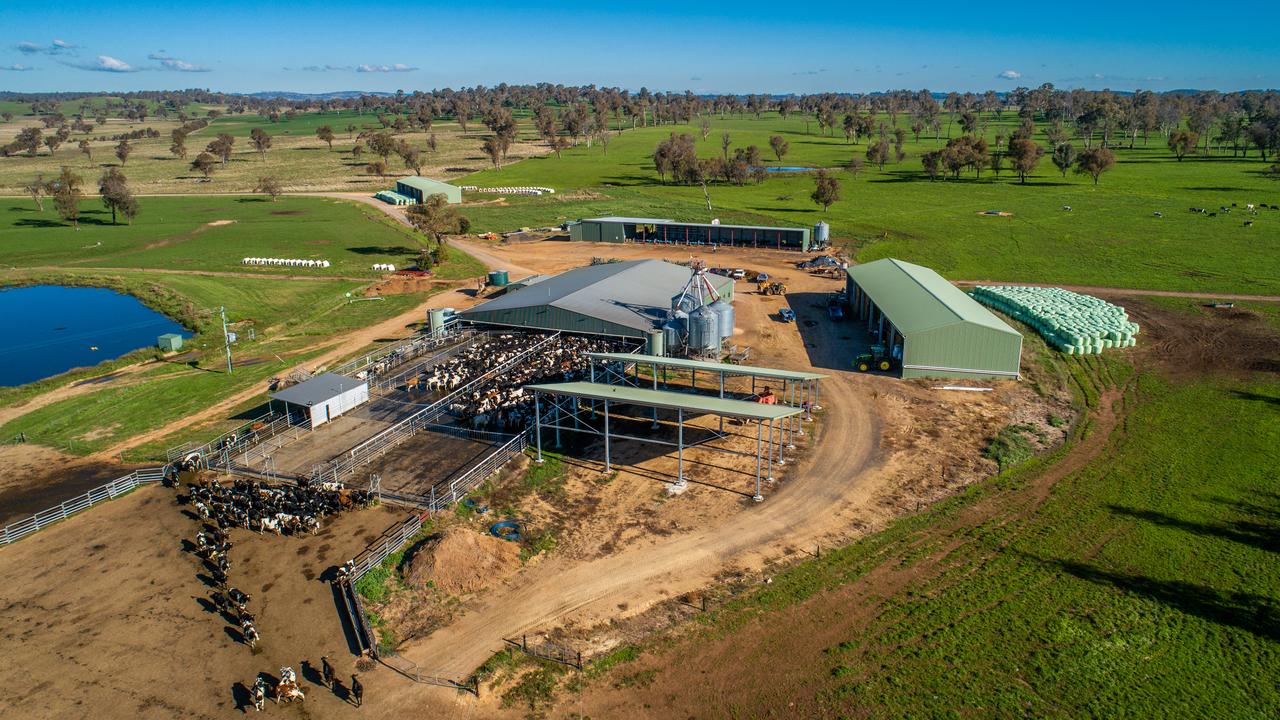
The Transwest Fuels spokesman highlighted that cities are being prioritised, leaving rural residents, particularly farmers, bearing the brunt of the shortages. “This week, many service stations, farmers, local councils and transport companies will simply not receive fuel,” he warned.
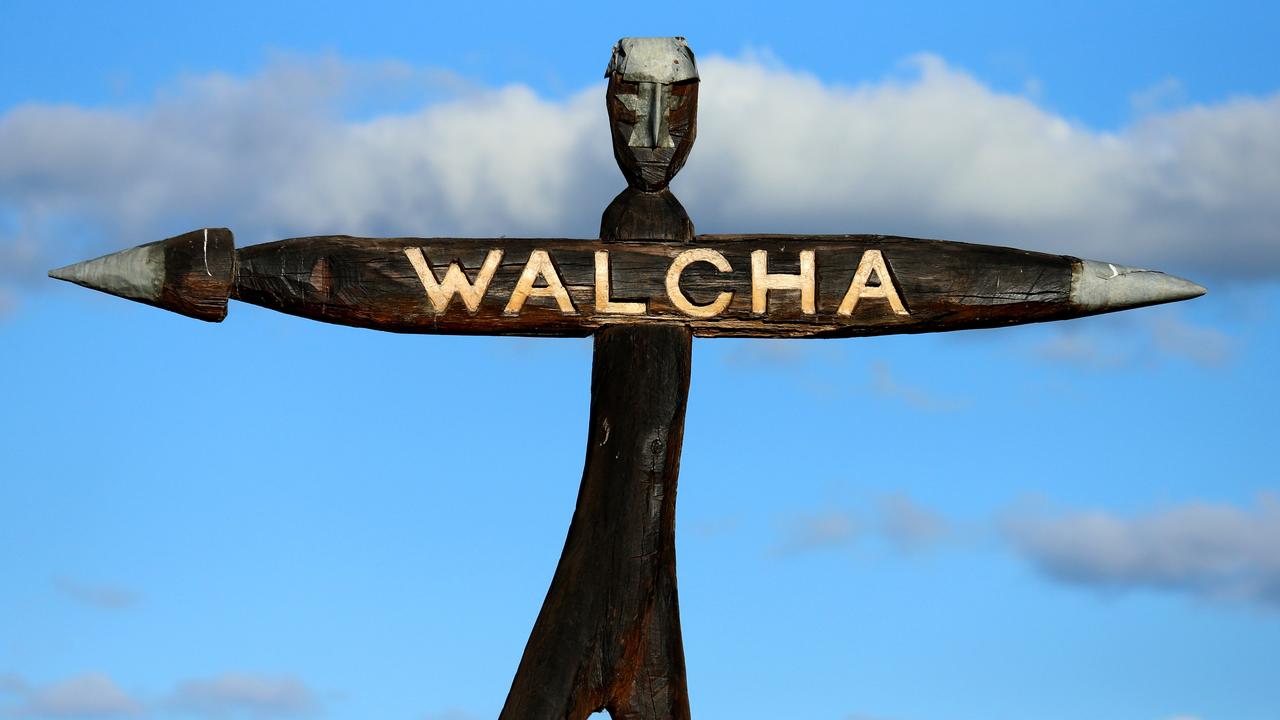
Walcha, a town in northwestern NSW known for its wool farming and beef industries and a crucial freight hub, is one of the hardest-hit areas. Walcha Mayor Eric Noakes expressed frustration with the prioritisation of cities, calling it a reflection of a negative “attitude” towards rural Australia.
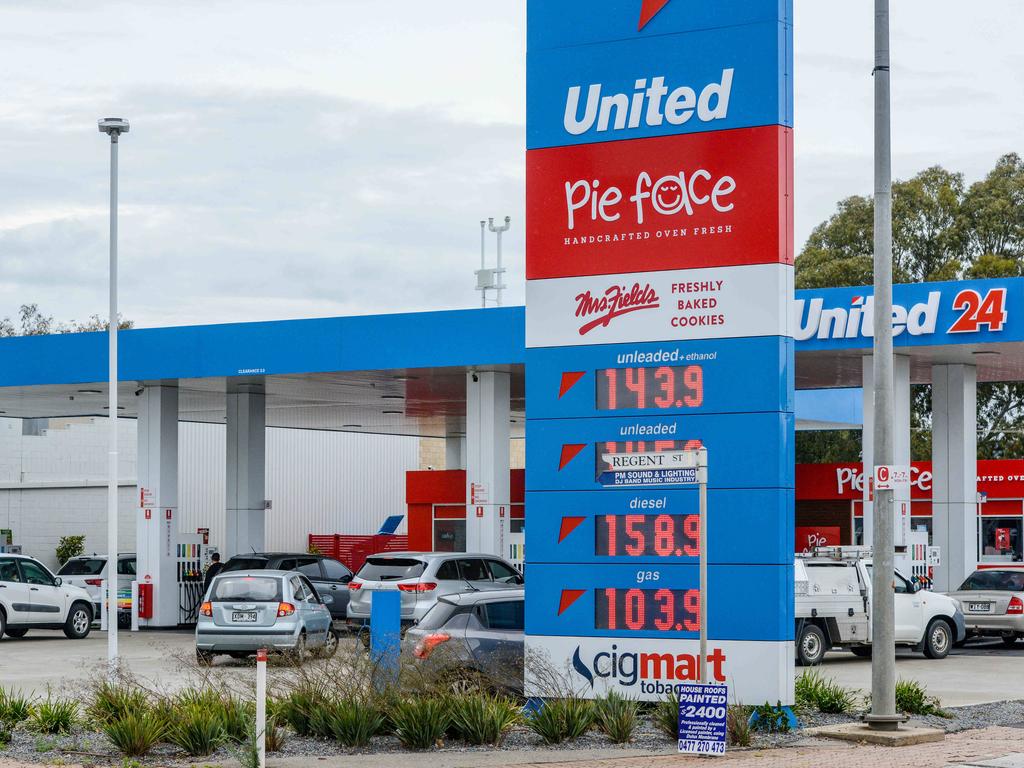
“People in the city don’t realise that industry in the bush relies on fuel,” Mr. Noakes said. “We have big transport companies in Walcha, and right at the moment we’re probably in the middle of our biggest fuel usage time of the year. Trucking companies are working to deliver logs, livestock, grain, all sorts of stuff. These things can’t just grind to a halt, but they may very well have to.” He stressed the long-term economic damage that prolonged fuel shortages could inflict on communities like Walcha.
The Bartranz spokesman echoed the concerns for the agricultural sector, stating, “Crops needs harvesting, crops need planting. If piggeries can’t fuel generators animals die – the list in endless. The government needs to wake up. Australia is on its knees.”