Gender Pay Gap Widens in Key Australian Sectors, New Data Reveals
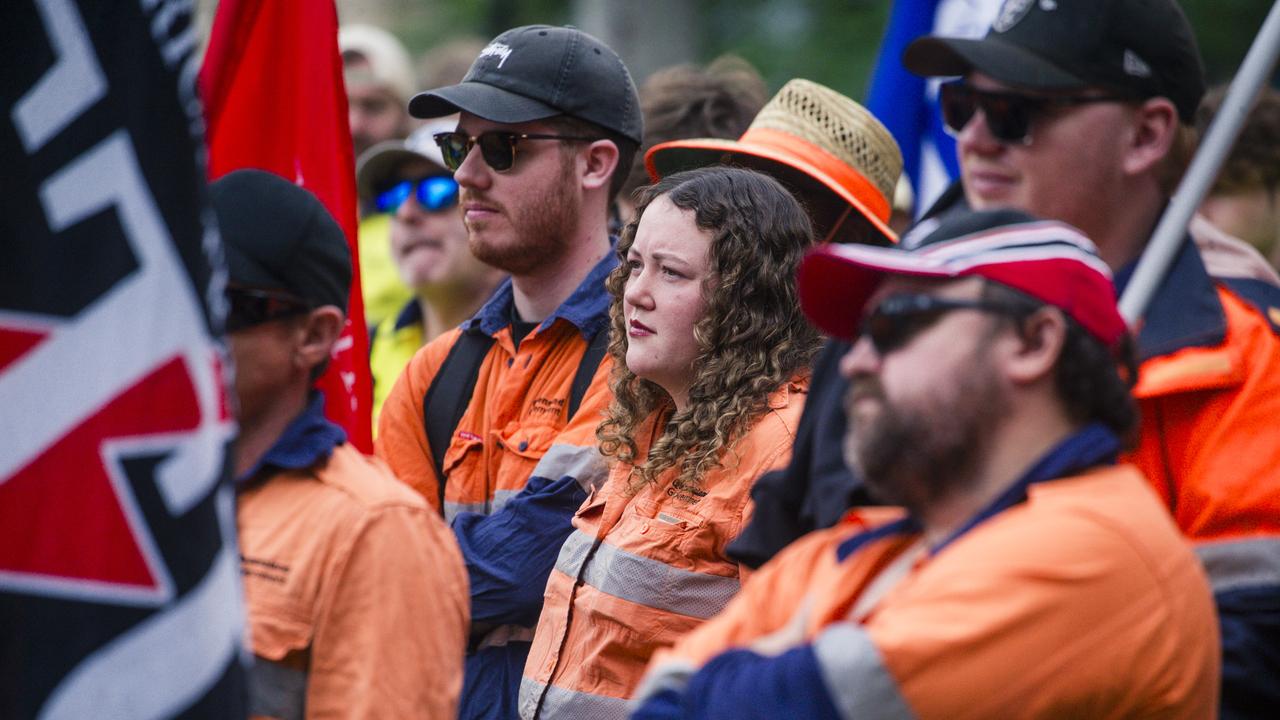
New data released by the federal government’s Workplace Gender Equality Agency (WGEA) paints a concerning picture for gender pay equity in Australia. The report, which analysed data from over 10,500 organisations employing more than 5.8 million Australians, indicates that the gender pay gap has actually widened in several critical industries, including real estate, IT, public administration, and various trades.
While just over half of the surveyed companies managed to reduce their median total gender pay gap in the 2024-25 year, this progress is overshadowed by the growing disparities in other sectors. The finance and insurance industries continue to grapple with the most significant and persistent pay gaps between men and women. Although these sectors saw their pay gaps remain flat, the gulf widened considerably in public administration and safety, information media and telecommunications, real estate and hiring, and in trades such as electrical, gas, water, and waste. The mining and construction industries also experienced an increase in their gender pay gaps.
The WGEA data encompasses private companies, corporate groups, and public sector organisations with 100 or more employees. The findings highlight a stark reality: Australian women are 1.4 times more likely to be employed in the lowest-earning 25 per cent of the workforce, while men are 1.8 times more likely to be found in the top 25 per cent of earners. It’s important to note that paying an employee less due to their gender is illegal; the observed gender pay gap is therefore a reflection of men occupying a disproportionately higher number of high-paying roles across many organisations.
Manufacturing Sector Shows Promising Progress
Amidst the broader trend of widening gaps, the manufacturing sector stands out as one of the few statistically male-dominated industries that has successfully shrunk its gender pay gap over the past year. Kimberly-Clark, the Australian manufacturer of well-known brands like Kleenex and Viva, reported a gender pay gap of a mere 0.3 per cent, one of the lowest within the manufacturing sector.
Executives at Kimberly-Clark attribute this success to a deliberate and sustained effort initiated six years ago to foster a more inclusive and equitable workplace. Diana Brandt, a human resources executive at the company, explained their proactive approach. She highlighted initiatives such as actively encouraging men to take primary carer parental leave and removing the requirement for a forklift ticket as a prerequisite for employment. These measures were part of a concerted strategy to boost female employment within the company.
“You can’t expect a culture to change if you’re only focusing on one gender,” Ms Brandt stated. “You’ve got to focus on what’s good for everyone.”
The impact of these policies is evident at Kimberly-Clark’s South Australian paper mill. In 2019, only 9 per cent of the 300 workers were female. Today, that figure has risen to 21 per cent.

Strategic Initiatives Driving Change
Key to reversing the trend of women shying away from factory work, Kimberly-Clark implemented several critical changes. These included ensuring that women were consistently shortlisted for both factory and corporate positions, placing women on hiring panels, and offering training for forklift tickets rather than demanding prior certification for hiring.
Across the 870 manufacturing companies surveyed by the WGEA, men are, on average, paid 13.4 per cent more than women. This figure, while significant, is considerably lower than the gaps seen in other sectors. For example, in construction, men earn, on average, 23.8 per cent more than women, and in finance, the gap stands at 21.4 per cent.
“The reality is, if we hadn’t put intentional strategies in place probably five or six years ago, especially at our mill, we’d probably almost be looking at 100 per cent men (employees),” Ms Brandt remarked. “In what can be a male-dominated manufacturing area, or even corporate offices which typically can be male dominated, we’ve managed to create an environment where it is very inclusive.”
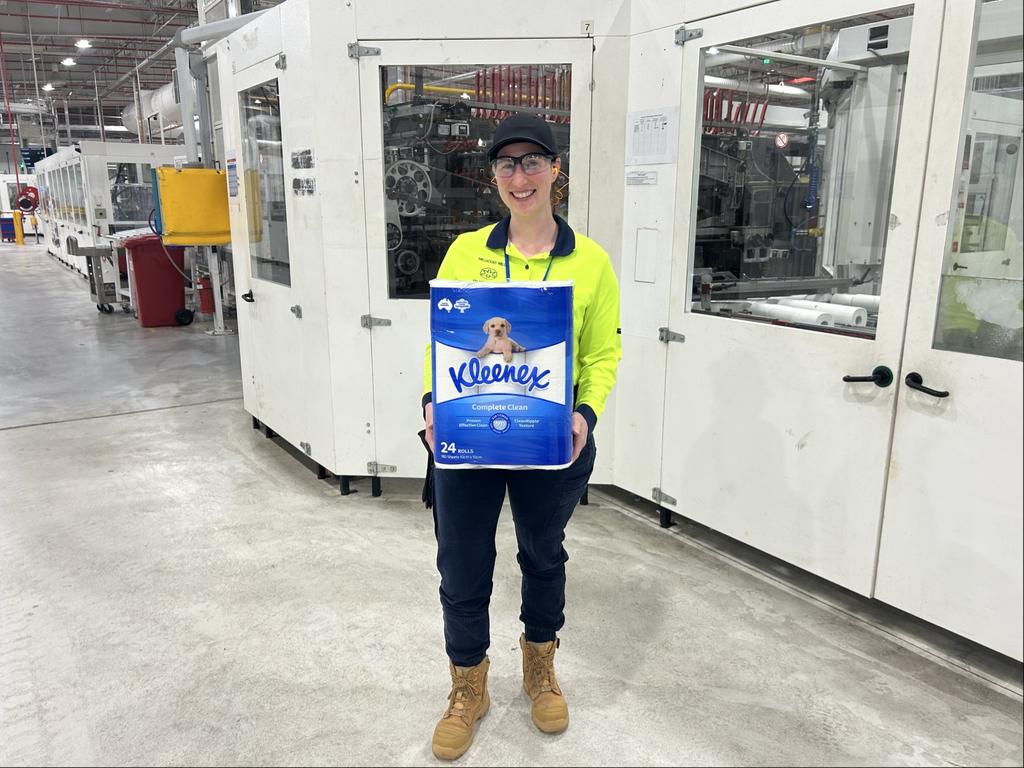
Further policies implemented by Kimberly-Clark include allowing employees to take parental leave in segments and permitting office staff to leave work after 1:30 pm on Fridays, demonstrating a commitment to flexibility and work-life balance.
Public Data Driving Accountability
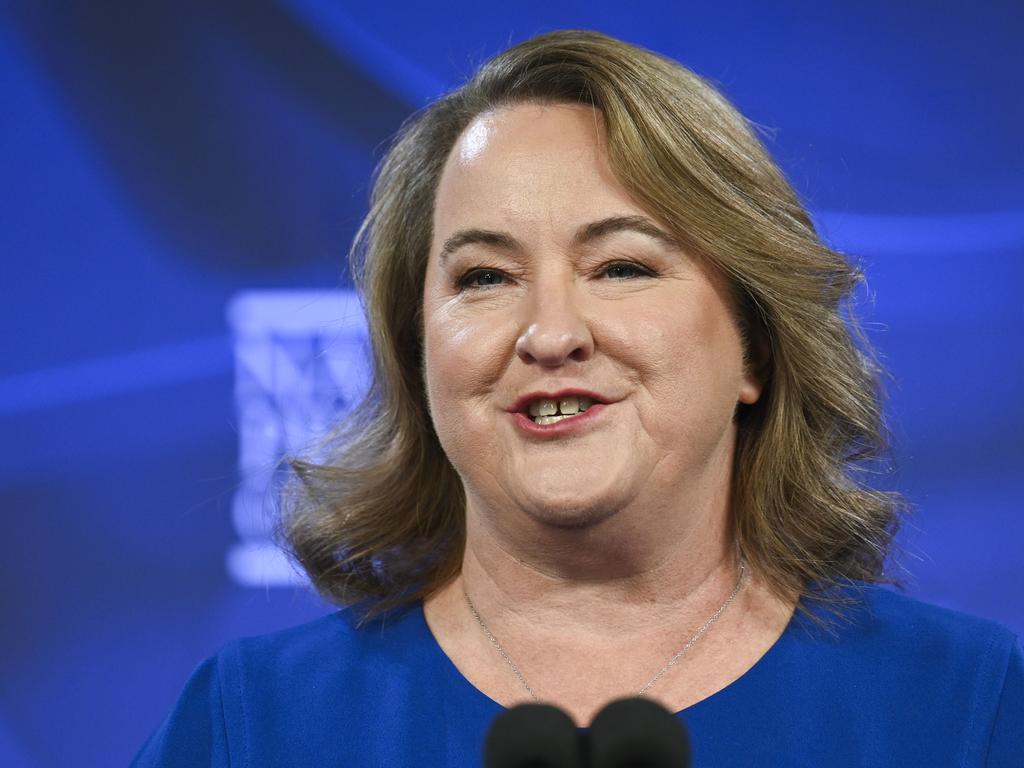
The release of the WGEA data marks the third comprehensive nationwide data release on gender pay gaps for large organisations in Australia. Mary Wooldridge, Chief Executive of the WGEA, believes that the public availability of this data is a powerful catalyst for organisational change.
“Many employers have told us publishing their information has helped them prioritise fairness and equality and led to deeper engagement from the C-Suite and board,” Ms Wooldridge commented. “Results since 2024 show more employers now analyse how managers recruit employees, decide their pay and performance bonuses and determine promotions.”
Beyond just pay and composition, many organisations are now examining the different experiences of women and men regarding access to parental leave, flexible working arrangements, and workplace safety.
The statistics reveal that more than 50 per cent of Australian employers have a gender pay gap exceeding 11.2 per cent in favour of men.
“The fact that men are nearly twice as likely as women to be in the highest paid roles and that women still dominate the lowest paid roles should offer a reality check for anyone who thinks Australia has achieved equality in the workplace,” Ms Wooldridge concluded. “Women and men want a fair and equal opportunity to use their full range of skills and capabilities, hold the most senior and highest paying roles, feel safe at work and have some flexibility to manage other responsibilities, such as caring, outside of work.”