
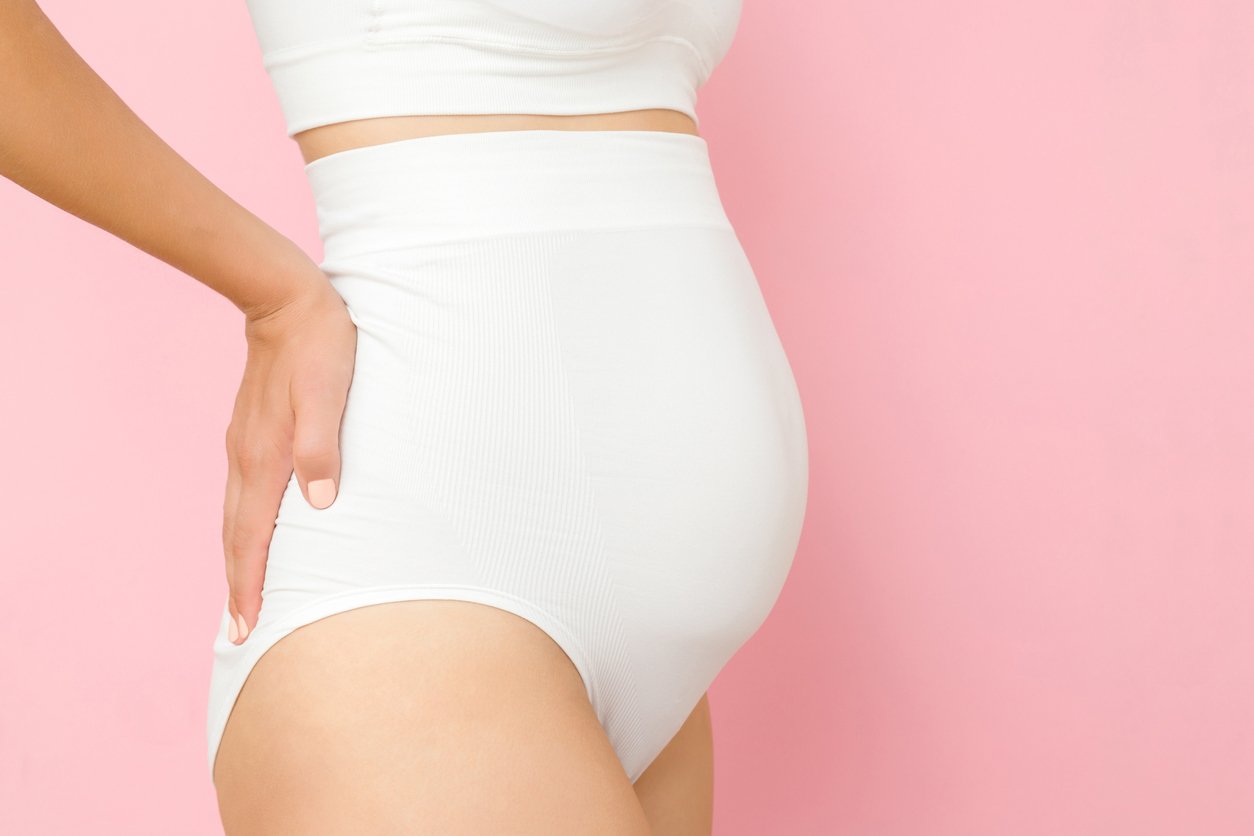
Embracing Your Post-Pregnancy Body: A Journey of Strength and Self-Kindness
Pregnancy is a remarkable period, transforming your body in ways both awe-inspiring and unexpected. As you navigate the postnatal period, you might be wondering how to reconnect with your body, rebuild your strength, and manage the significant shifts in your energy, mood, and identity. The key lies in embracing a gentle approach, prioritising self-kindness, and understanding that recovery is a deeply personal and layered process. Forget the pressure to immediately revert to a “pre-baby body.” Instead, focus on rediscovering what your body needs and what you need from it now.
Rebuilding Strength: A Gradual and Mindful Approach
Your core and pelvic floor muscles have endured immense strain throughout pregnancy and childbirth. It’s completely natural that they require dedicated support to recover. During pregnancy, your abdominal muscles stretch, and in some cases, can separate. The pelvic floor, under significant pressure, can also weaken.
The path to rebuilding strength postpartum doesn’t necessitate high-impact workouts. In fact, consistent, gentle movement is far more beneficial. This mindful approach helps re-establish the mind-body connection, re-engage crucial muscle groups, and safely ease you back into physical activity. Consulting with a postnatal specialist can provide invaluable guidance on restorative exercises like pelvic tilts, bridges, and supported squats. Low-impact activities such as walking, cycling, or gentle resistance training also play a vital role in your recovery. Remember to go slow, listen to your body’s cues, and rest when you need to. True strength in this new phase of life extends beyond the purely physical.
Navigating Energy, Hormonal, and Emotional Shifts
The reality of postnatal fatigue is undeniable, and the mood swings you might be experiencing are not your imagination. The intricate dance of fluctuating hormones, the demands of breastfeeding, interrupted sleep patterns, and the emotional rollercoaster of new parenthood are all part of this significant life transition.
However, the good news is that physical activity can be a powerful ally for your emotional well-being. Research, including reports from the Australian Institute of Health and Welfare, indicates that regular movement can help mitigate symptoms of postnatal depression. This doesn’t mean embarking on lengthy or demanding exercise routines. Even 20 to 30 minutes of gentle, low-intensity movement can significantly boost your energy levels, reduce stress, and improve circulation.
Some new mothers are exploring innovative approaches like HYPOXI, a method that combines low-impact exercise with vacuum and compression technology. This unique combination aims to stimulate blood flow and support lymphatic drainage. Many find the short, 30-minute sessions easily integrated into their post-baby schedules, with the added benefit of supportive HYPOXI coaches to help maintain consistency and motivation.
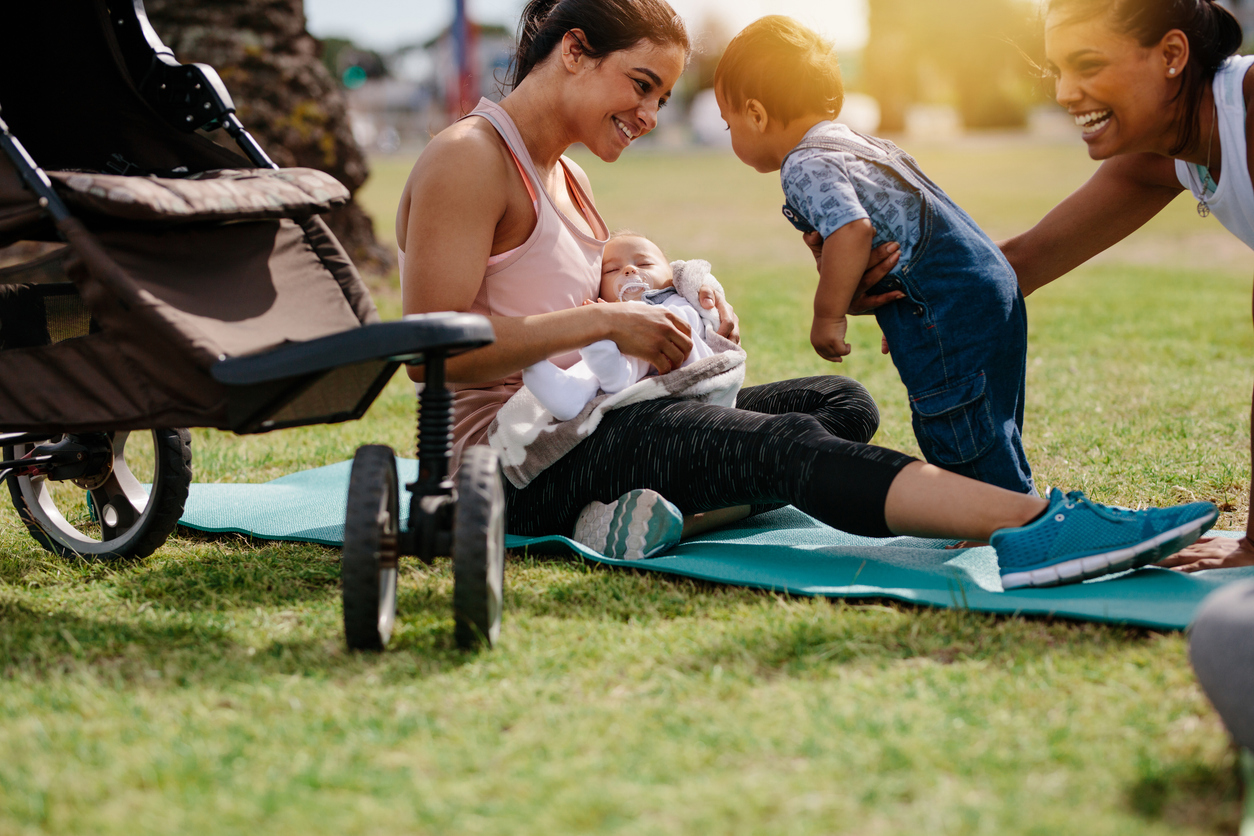
Cultivating a Gentle Routine for Self-Care
In the whirlwind of life with a new baby, days can blur, and established routines are inevitably upended. Finding time for yourself can feel like an insurmountable challenge. Yet, it is precisely in these demanding moments that small acts of self-care can yield the most profound benefits. Movement during this period is not solely about physical recovery; it’s also a vital opportunity to reconnect with your sense of self.
As highlighted by the Department of Health and Aged Care in 2023, “Physical activity provides important benefits for mental and physical health, particularly for women adjusting to a new stage of life.”
Whether it’s a simple 10-minute stretching session before bed, a brief movement break while your little one naps, or a scheduled low-intensity session designed to gently guide you back into activity, every effort counts.
Reclaiming Trust in Your Body
It’s understandable to feel a sense of unfamiliarity or even a loss of trust in a body that has undergone such profound changes. However, consider the incredible feat your body has accomplished: it has nurtured and created a human life. It has adapted, stretched, laboured, and delivered. This is a testament to its immense power. The focus now is not on erasing this incredible journey, but on meeting yourself where you are, with unwavering kindness and compassion.
Through dedicated time, consistent care, ample rest, and gentle movement, your strength will undoubtedly return. It may manifest differently than before, or it may not. Regardless, it will be uniquely yours, and that is a powerful achievement worthy of celebration.
HYPOXI is specifically designed to address areas that can be challenging to reshape after pregnancy, such as the abdomen, hips, thighs, and buttocks. By integrating low-impact exercise with gentle vacuum and compression therapy, HYPOXI enhances circulation precisely where your body needs it most. The low-impact movements are kind to your joints, while the vacuum and compression therapies work to stimulate lymphatic drainage and blood flow, thereby supporting your body’s natural recovery processes and improving skin tone. You can learn more at hypoxi.com.au.
Please remember that the information provided in this article is for general guidance only and should not be considered medical advice. Always consult with a qualified medical professional for personalised advice tailored to your specific health needs.