
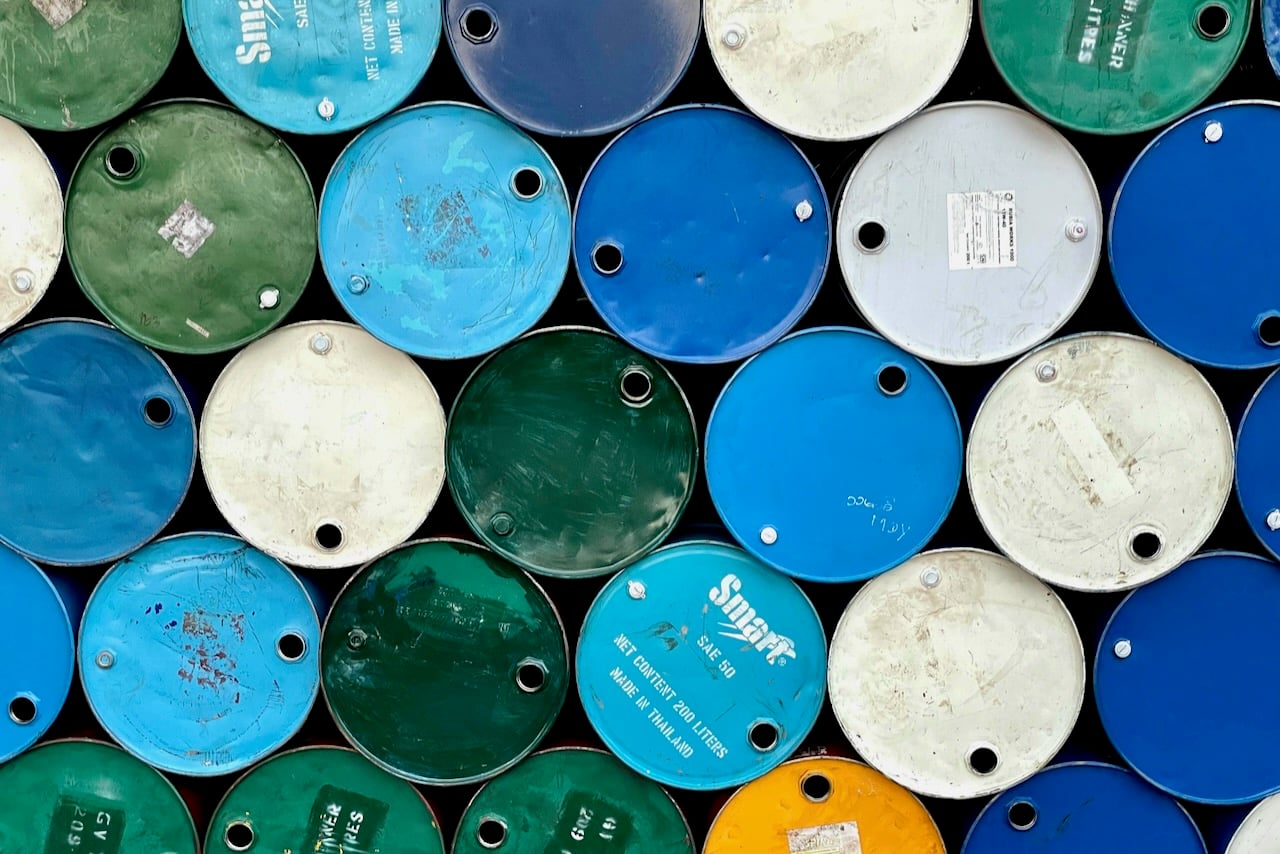
Rising Fuel Costs and the Search for Alternatives
Australian households are facing significant financial strain due to rising fuel prices, compounded by ongoing cost-of-living pressures and another interest-rate increase. In response, some are advocating for biodiesel to be made available at the pumps as a potential solution.
Recent conflicts in the Middle East have led to spikes in fuel prices, causing panic-buying and shortages across Australia. As a result, alternatives like biodiesel are being promoted as possible solutions. However, most modern vehicles sold in Australia cannot run on anything more than negligible blends of biodiesel.
Two decades ago, many believed that biodiesel – which can be created from used oil, vegetable oil, algae, and organic waste products – would play a key role in the transition away from traditional fossil fuels. This was due to the ease of manufacturing and the existing infrastructure. Despite this optimism, the local industry has largely disappeared due to taxation, lack of government support, and the availability of relatively cheap imported diesel.
In contrast, some developing countries are embracing biodiesel as a way to reduce dependence on crude oil. For example, the Philippines is considering a move to a seven per cent biodiesel blend, known as B7 (mixed with 93 per cent traditional diesel). Indonesia is also leading the way, with plans to increase its biodiesel blend from 40 per cent to 50 per cent later this year.
In Australia, government fuel standards currently allow up to a five per cent blend of biodiesel. However, despite calls for action, the Federal Government’s policies on fuel security have been described as apathetic. The Australian Strategic Policy Institute highlighted this issue in June 2025, emphasizing the urgent need for action.
In August 2025, Airbus Australia boss Stephen Forshaw called for the introduction of a one or two per cent mandate for ethanol in aviation, aiming to build momentum for the biofuels industry in Australia. He warned that without quick action, the future could be shaped in Singapore rather than Australia.
“We want to use our feedstock here to produce fuels here, power our industry here and capture the economic and security benefits here,” he said.
Later in September 2025, the Federal Government announced a $1.1 billion package for biofuels, but this initiative will not begin until 2028 – over 25 years after experts first called for major investment in the industry.
As both public and private sectors invest in new-generation synthetic fuels, known as eFuels, more primitive solutions such as biodiesel and ethanol may no longer be viable for most modern cars driven in Australia.
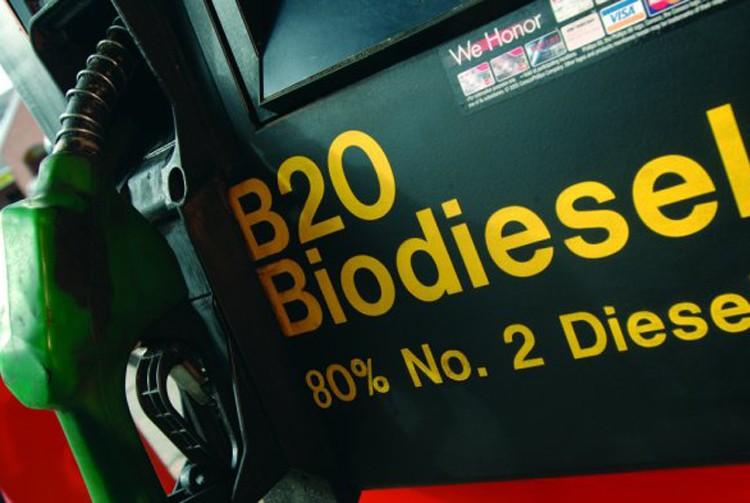
Older diesel vehicles that use mechanical injection pumps can typically run on biodiesel without issues. However, newer common-rail engines – which became prominent in the late 1990s – usually only accept up to a five per cent biodiesel blend. Some models can handle up to a 20 per cent blend, known as B20.

Similarly, some older vehicles, such as the Holden Commodore and Saab 9-3 Biopower, were able to accept ethanol blends of up to 85 per cent (E85), but the majority of petrol cars sold today can only take a maximum of E10 or E15.
According to the Australian Bureau of Statistics, the average age of cars in Australia is around 12 years old. While there is a community of enthusiasts producing biodiesel in their own garages, the cost to produce a litre of biodiesel is approximately $2.20.
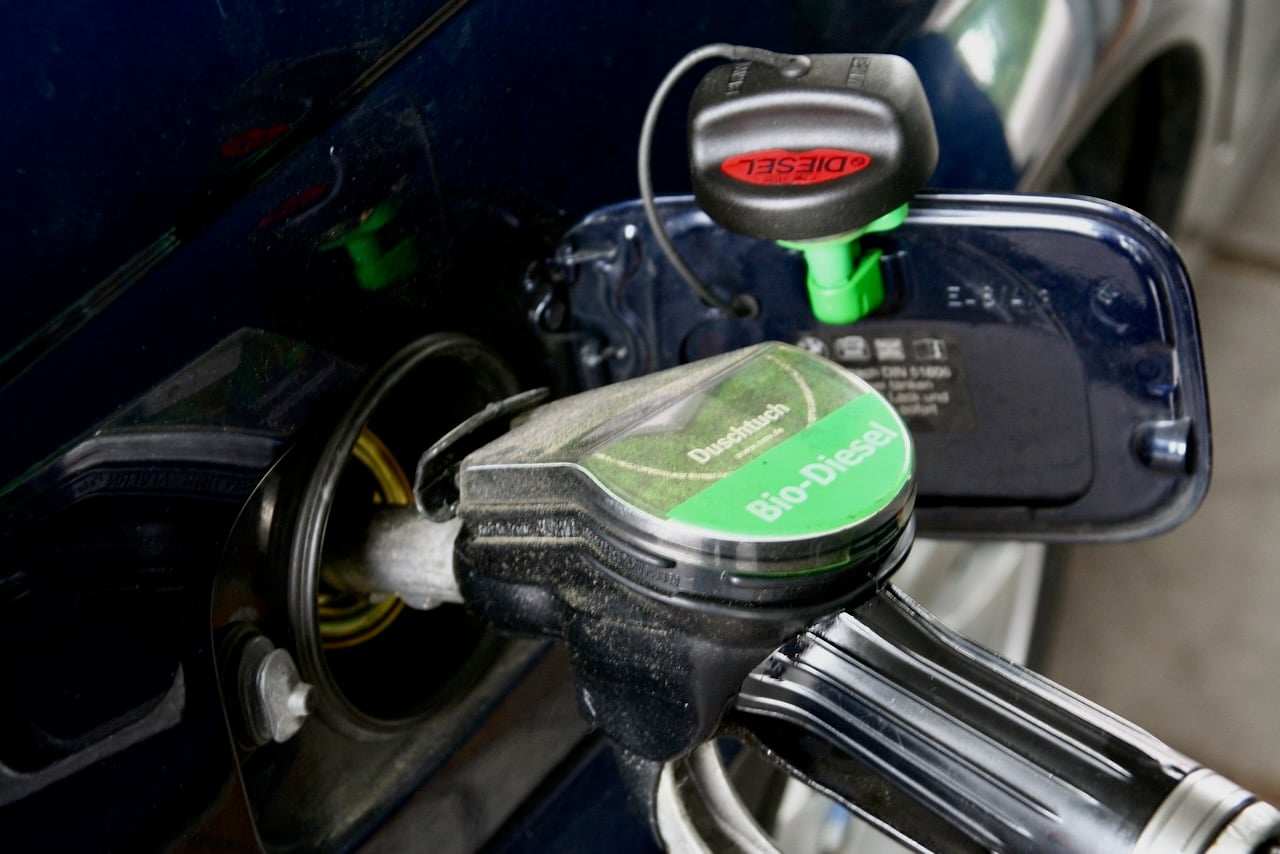
The situation is further complicated by the Federal Government’s fuel excise tax, which applies to biodiesel even if it is produced privately in small quantities. This means that individuals who make biodiesel for personal use, such as for a ride-on mower, must also pay $0.52 per litre to the ATO.
Despite these challenges, biodiesel does have commercial applications. For instance, US tractor giant John Deere has approved a B30 mix for its farm equipment, and Pepsi has converted several Volvo prime movers to run on B100 in North America.
Meanwhile, advances in sustainable fuel technologies have led companies like Porsche to invest in eFuel manufacturing facilities, including one in Tasmania. These facilities aim to create synthetic fuels that are compatible with modern engines and can help achieve near CO2-neutral operation.
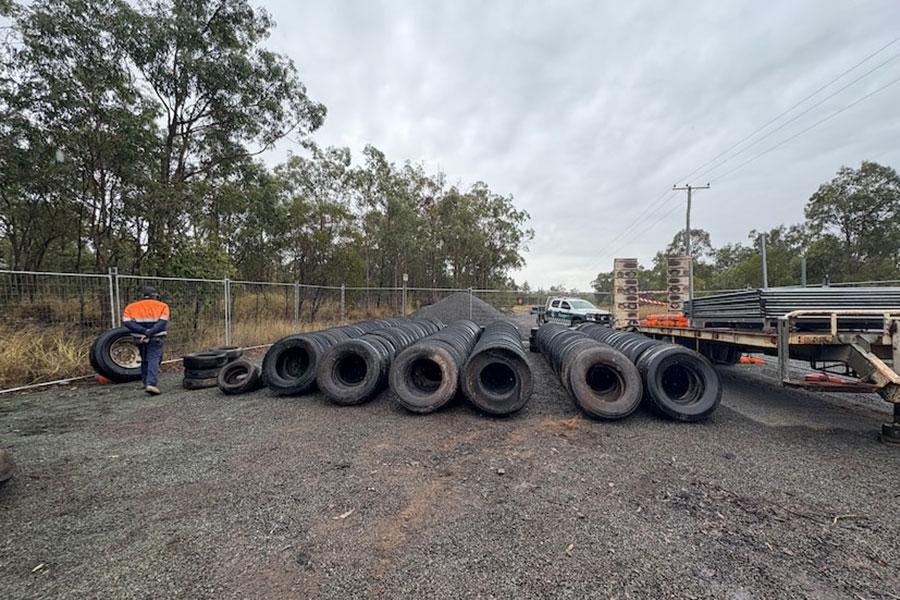
Monash University has also developed a technology that converts used tyres and plastics into products that can be refined into fuels. This process has the added benefit of reducing landfill waste.
“At commercial scale, this could translate to facilities processing around 60 tonnes per day, producing diesel-like liquids, solid carbon and chemical monomers,” said Professor Sankar Bhattacharya.
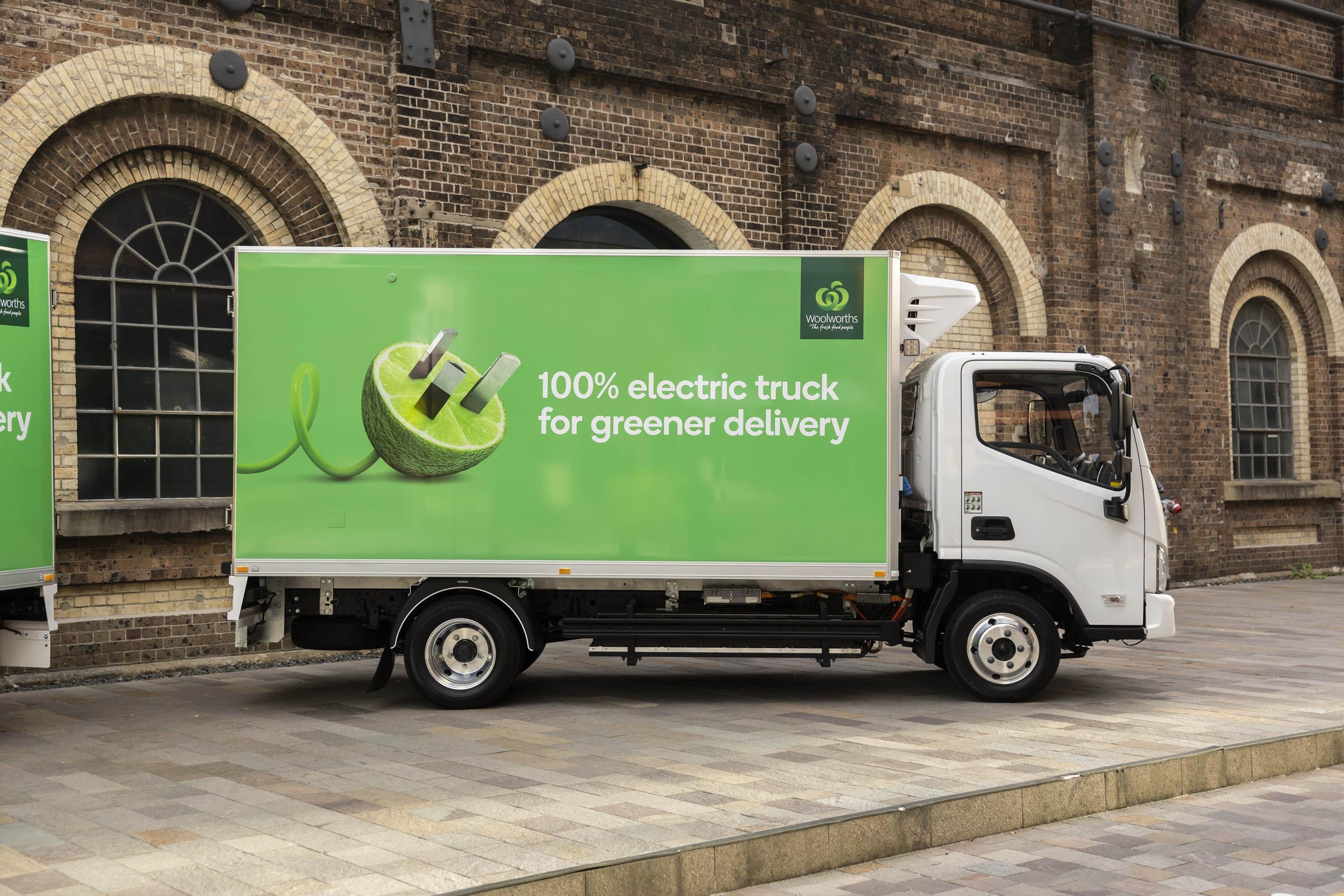
While electric vehicles offer a promising solution for certain scenarios, such as courier services that operate within specific areas, they may not be suitable for all situations. For example, road trains operating in remote parts of Australia may still require traditional fuel sources.
The best time to plant a tree was 20 years ago, but the second-best time is today. While biodiesel and ethanol can provide some relief, real investment in the eFuels industry, alongside the reinstatement of electric vehicle subsidies and incentives, is crucial to ensuring Australia’s fuel security and addressing environmental challenges.


