Tech Giants Propose Radical Prison Monitoring with Microchip Implants and AI
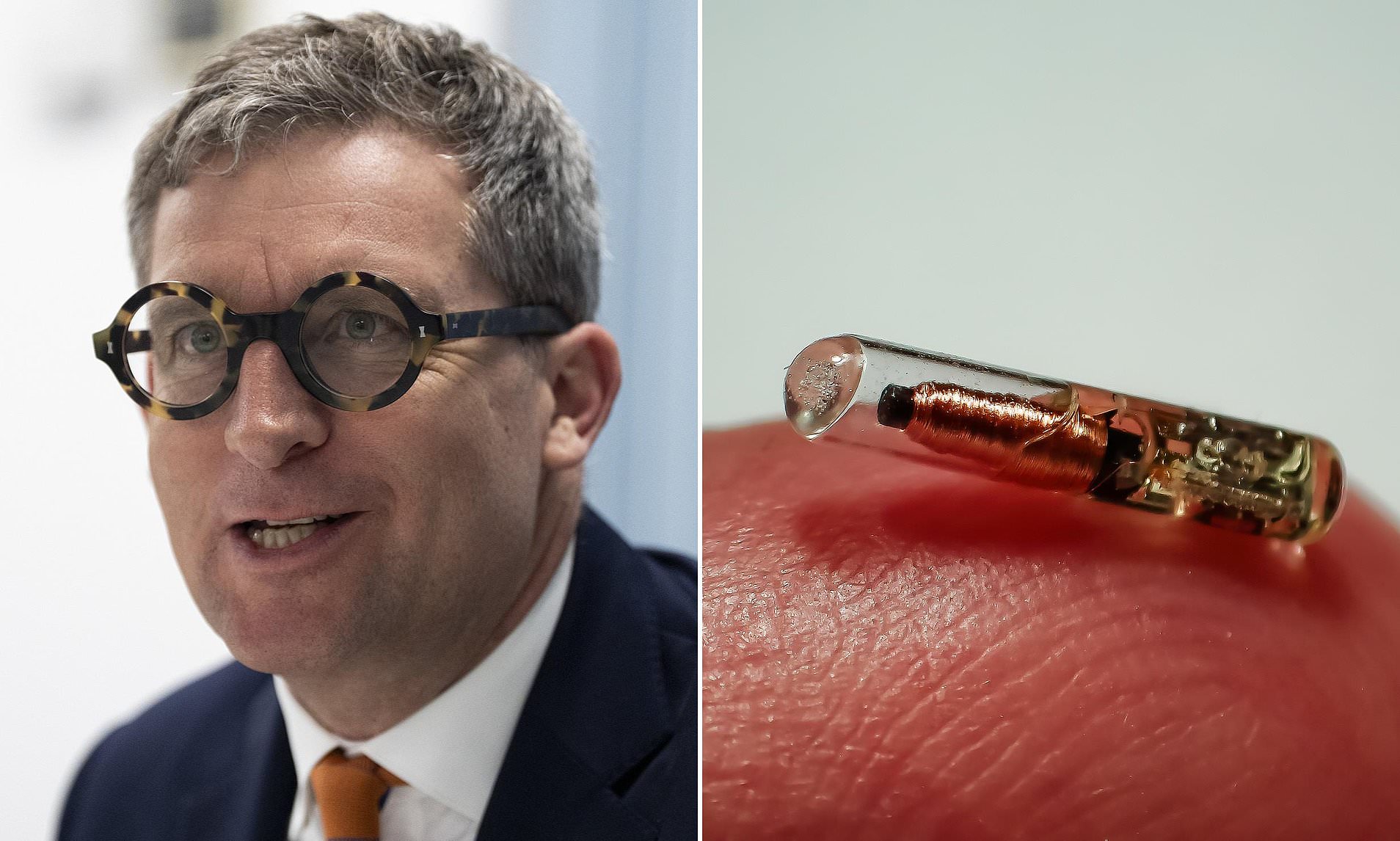
The future of offender monitoring and prison management could be on the cusp of a technological revolution, with leading tech firms suggesting groundbreaking ideas, including the potential implantation of microchips under offenders’ skin. These proposals, shared at a high-level meeting with the Prisons Minister, aim to provide real-time, round-the-clock surveillance and enhance the efficiency of the justice system.
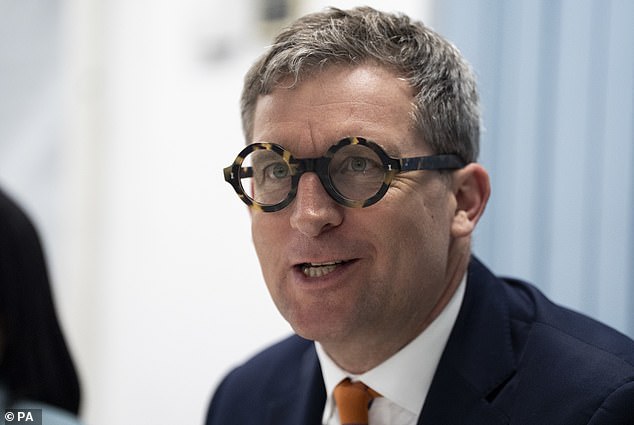
The ambitious concepts emerged from a ‘roundtable’ discussion held last year, bringing together representatives from over 30 prominent technology companies, including industry giants like Amazon, Google, and Microsoft, with Prisons Minister Lord Timpson. The discussions explored a range of futuristic possibilities for the correctional system.
Innovative Concepts on the Table
Among the most striking ideas put forward were:
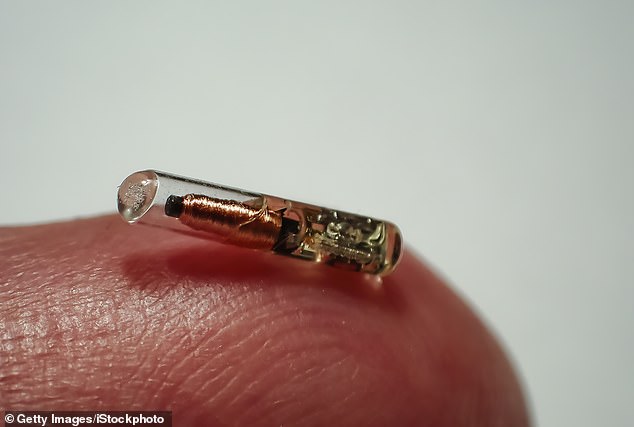
- Under-the-skin Microchip Implants: Tech bosses suggested that microchips could be implanted beneath the skin of offenders. This technology would enable continuous, real-time tracking of their movements, offering an unprecedented level of monitoring.
- Driverless Prison Vans: The prospect of autonomous vehicles being used to transport prisoners was also discussed, potentially improving security and efficiency in prisoner transportation.
- Robot-Run Prisons: The meeting delved into the idea of integrating robotics into prison operations, hinting at automated systems for various tasks within correctional facilities.
- AI-Powered Risk Assessment: Artificial intelligence was proposed as a tool to predict the potential risks posed by certain individuals, allowing for more proactive management and intervention strategies.
Lord Timpson emphasised the need for significant reform, stating, “Once-in-a-generation reform is the only way we can truly deal with the scale of the crisis, cut crime and speed up justice.” He expressed his desire for technology to play a pivotal role, adding, “I want technology to play an integral role in tackling these problems and making our streets safer.” He described the meeting as “just the start of a new conversation between us and you.”
Transparency and Public Reaction
Details of this secretive meeting only recently came to light after the minutes were released to Foxglove, a group dedicated to campaigning against the misuse of technology by governments and corporations, following a Freedom of Information request.
Foxglove voiced significant concerns about the proposals, describing them as “alarmingly dystopian” to the prison newspaper Inside Time. The group expressed worry that justice ministers would engage with the tech sector to discuss such measures, including:
- The use of robots in managing prisoners.
- The implantation of devices under people’s skin for behavioural tracking.
- The application of computer systems to ‘predict’ future actions of individuals.
The Ministry of Justice (MoJ) initially kept the specifics of the meeting confidential. However, they indicated that discussions would centre on:
- The potential for more effective tracking of offender movements.
- Utilising data to assist probation officers in conducting better risk assessments.
- Exploring whether digital platforms could aid offenders in rehabilitation and reintegration into society, thereby reducing reoffending rates.
At the time, then-Lord Chancellor, Shabana Mahmood, highlighted the necessity for innovative solutions, stating, “We need bold ideas to address the challenges that we face – supporting our staff, delivering swifter justice for victims, and cutting crime.” She further commented on the current state of the justice system, noting, “Today, we have an analogue justice system in a digital age.” Mahmood also acknowledged the UK’s strong tech sector, believing its firms have a significant part to play in enhancing public safety. The MoJ indicated plans to follow up with an industry-wide event to encourage further engagement and idea submission.
Context of Early Releases and Sentencing Reforms
These forward-thinking discussions about the future of prisons occur against a backdrop of recent statistics from the MoJ revealing a substantial number of offenders released early. In the first 16 months of a particular government policy, approximately 60,108 offenders were released onto the streets. This figure is attributed to a scheme introduced by the former Justice Secretary, Shabana Mahmood, which permits criminals to be freed after serving only 40 per cent of their court-imposed sentence.
With an average of over 3,700 releases per month in the most recent quarter, the cumulative number of early releases is estimated to be around 75,000. Disturbingly, the data also indicated that nearly 1,500 serious offenders, who had originally received sentences of over a decade, have now been released early. Specifically, 490 of these individuals were sentenced to 14 years or more, and 980 received sentences ranging from 10 to 14 years.
Shadow Justice Secretary Nick Timothy criticised these early releases, labelling them a “deliberate political choice by a government too weak to build the prison places the country needs.” He also voiced opposition to proposed changes that could see jury trials abolished, arguing for the preservation of fundamental justice principles. Timothy concluded that the public expects a tougher stance on crime, with criminals being incarcerated for longer periods.
An assessment published by the MoJ in January suggested that prison capacity would have been reached as early as June of the current year had current policies not been implemented. The report also projected that Labour’s sentencing reforms are expected to slow the rise in the prison population by 7,500 individuals by 2028.