
Spain’s Response to Rising Online Abuse Against Climate Scientists
Spain has prioritized the fight against disinformation following a noticeable rise in hate speech directed at climate scientists. Environment Minister Sara Aagesen highlighted that several studies have revealed an “alarming” increase in the intensity, frequency, and violence of attacks targeting meteorologists, communicators, and journalists who focus on climate issues.
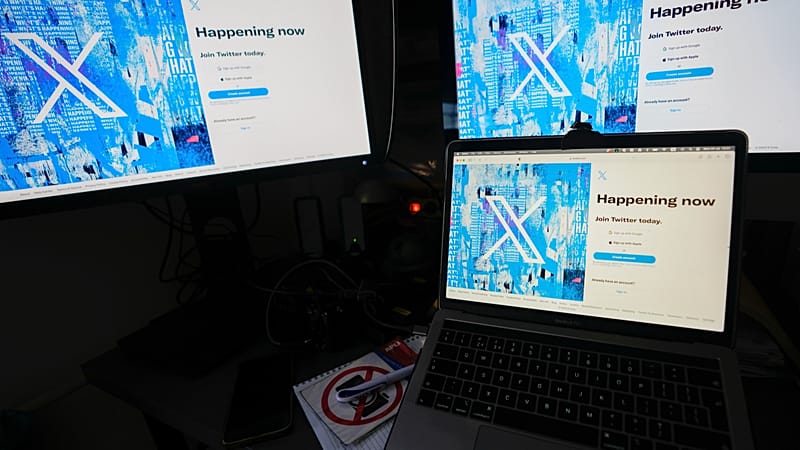
One study found that 17.6% of hostile messages on X (formerly Twitter) contained hate speech, personal attacks, and denigration aimed at scientists sharing accurate and verified information. In response, Aagesen has written to the Prosecutor’s Office to raise awareness of this growing trend, which experts warn could undermine public understanding of the climate crisis. She has pledged to assist them in any way they deem necessary.
The Pervasive Issue of Online Abuse
Online abuse towards climate scientists is not a new phenomenon. A 2025 study published in Social Inclusion analyzed half a million messages posted on X between December 31, 2021, and April 19, 2023, that mentioned AEMET, Spain’s state meteorological agency. Using hate speech detection algorithms and text mining techniques, the study found that a quarter of the messages sampled displayed some level of hostility towards AEMET, its staff, and its scientific work.
The research noted that a significant amount of hate speech was expressed through derogatory comments and insults aimed at meteorologists. This reflects a broader trend of anti-intellectualism and skepticism toward scientific expertise. Experts warned that the spread of conspiracy theories, particularly those related to geoengineering and chemtrails, was directly linked to abuse directed at climate scientists.
Impact on Scientific Discourse
In the fields of health, science, and climate change, disinformation campaigns on social networks often go hand in hand with the generation of hate speech aimed at attacking the individuals involved. This undermines the credibility of their research and influences the adoption of measures that require economic or social changes.
Scientists Speak Out
In 2022, climate scientists across Europe were invited to participate in an online survey hosted by YouGov. Of the 468 responses, 183 reported experiencing online harassment or abuse that affected their health, work, or communication style. According to Global Witness, most recipients had their credibility (81%) or work (91%) attacked. For female scientists, personal characteristics were also common targets.
For 34% of affected women, their sex or gender was targeted “a great deal” or “a fair amount,” compared to only 3% of affected men. This persistent abuse is significantly impacting the well-being of climate scientists, with more than a fifth reporting experiences of depression. Eight percent said they had received death threats.
Personal Experiences of Harassment
Dr Shouro Dasgupta, an environmental economist at the Euro-Mediterranean Center on Climate Change, shared her experience of online harassment. She noted that every time she engages in media, there is some form of harassment on X and Facebook, often from climate deniers, bots, and unpleasant individuals.
Dasgupta has also faced racist abuse through private messages, which she believes is why many climate experts restrict access to their social media profiles.