

The Evolution of Reusable Containers in Australia
Before the rise of affordable, single-use takeaway packaging, there was a unique tradition among Australian families who would bring their own saucepans to local Chinese restaurants for their Friday night take-out. This practice continued until the early 1980s when concerns about ink contamination led to a ban on using old newspapers for wrapping fish and chips.
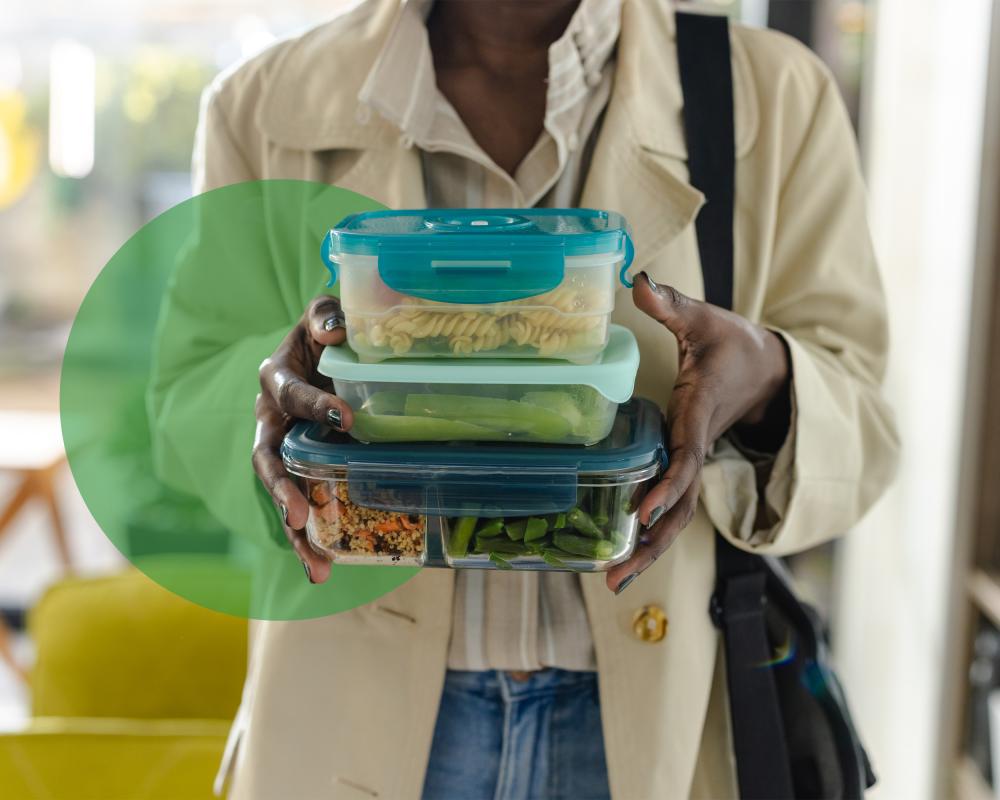
Today, Australians have embraced reusable coffee cups due to their love for caffeine, and many households have a collection of Tupperware for school lunches. Despite this, bringing your own container to a salad bar or deli counter still feels unusual for some.
According to government data, Australia produces 3.2 million tonnes of plastic waste annually, with most ending up in landfills. Approximately 39% of this waste is packaging, including 27,800 tonnes of single-use takeaway containers and 25,500 tonnes of plastic bags each year—equivalent to the weight of the Sydney Harbour Bridge.
Some states, such as South Australia and Western Australia, have banned certain types of plastic food and drink containers and cutlery. However, there are no national laws preventing customers from bringing their own vessels to food retailers. Individuals and workplaces can choose to use reusable food containers and crockery for takeaway, catering, and events, with systems and container exchanges making the transition easier.
Tips for Starting Your Reusable Journey
Bianca Cotton, founder of BYO Containers, a volunteer-run website that maps businesses open to customers bringing their own packaging, noticed that people in zero-waste groups were often unsure about their options. “A big part of what I saw was people who weren’t sure what they could do or what was fair to ask,” she said. “I wanted to provide some knowledge and give people the confidence to give it a go.”
Eight years and 2,000 businesses later, Cotton has some practical tips for those starting out:
Start with What You Have
There’s no need to rush out and buy special equipment. “If you’ve got Tupperware in your cupboard, use that,” she says. Netted bags for fresh produce at the supermarket and old jars are also useful. However, she warns against using leftover single-use plastic containers from meal services, as they are not suitable for repeated use and may degrade more easily.
Asking for Your Takeaway in a Reusable Container
Asking for your takeaway in a reusable container might feel awkward at first, but Cotton emphasizes the importance of asking before placing your order and explaining your intentions. Cafes are used to accepting reusable coffee cups, but for takeaway lunches like pasta, rice, noodles, or salads, it may be something new for staff.
“Sometimes stores might say it’s not legal, but it is,” she adds. Their main concern might be cross-contamination, so make sure your container is clean and dry. Ultimately, it’s up to the venue’s discretion, and if you’re turned down, she suggests accepting it in good faith or asking to speak with a manager.
Test Out Easy Foods First
Cotton recommends starting with foods that are easy to transport. “Sushi rolls are really easy,” she says. She hasn’t encountered a sushi vendor who isn’t happy to put them in any container offered. Bakery items, sandwiches, and even burgers are also manageable if you ask ahead.
At the supermarket, bring mesh bags for produce, which are often available for purchase. At the bakery, a cotton bag or even an old pillowcase can serve as a lightweight alternative to disposable options.
If you often buy meals from a local takeaway, a tiffin—a stackable set of metal containers popular in India—can be a good investment and is usually welcomed.
How Workplaces Can Support Reuse
Bringing your own lunch to the office is economical, but carrying Tupperware back and forth can be inconvenient. Returnr, a reusable container scheme launched in 2018, offers a solution. Their workplace kits provide a shared pool of reusable containers that can scale to any business size. Employees can grab a coffee cup, bento box, or bowl whenever they want to get provisions during their workday. After use, the containers go into the dishwasher and back into the storage station, ready for someone else.
The majority of Returnr’s products are made from stainless steel, a material that outperforms others in terms of reuse and recycling. According to Brett Capron, design director at Returnr, stainless steel is 100% recyclable, and in Australia, about 90% of all metal waste is recycled compared to just 12% of plastic.
Capron believes that offering sustainable lunch packaging options can make returning to the office feel “just a bit more appealing” for employees.


