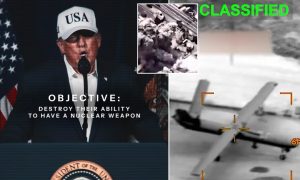
The White House’s New Approach to War Communication
The White House has taken a bold and unconventional approach to promoting its stance on the Iran conflict, leveraging social media to craft a narrative that blends real-world events with elements of popular culture. This strategy involves creating videos that combine actual missile strikes with footage from video games and blockbuster movies, resulting in content that has amassed billions of views across various platforms.
The campaign features a strong, machismo-style narration by Pete Hegseth, paired with scenes from the popular game Call of Duty and dramatic music. While this approach has garnered significant attention, it has also drawn criticism from traditionalists who argue that it is disrespectful to American troops and trivializes the gravity of war.
Despite the backlash, the administration remains committed to its strategy, emphasizing the success of its efforts. A senior White House official revealed that over a four-day period, the videos generated over 3 billion impressions, surpassing any previous efforts during the second term of the presidency. This figure highlights the effectiveness of the administration’s approach in capturing public attention.
Content Strategy and Social Media Presence
White House communications staff are encouraged to share content that resonates with their private group chats, ensuring that the material aligns with the interests of their audience. The videos are strategically posted on official accounts on platforms such as TikTok, Instagram, and X, where they blend clips from Grand Theft Auto, MLB home runs, and real war footage with scenes from films like Gladiator and Top Gun.
This mix of content aims to engage younger audiences, who are more likely to consume and share such material. However, some veterans have expressed concerns that the videos undermine the credibility of the military and its actions. One veteran, Command Chief, stated, “I don’t think the performance of our men and women in uniform requires embellishment from Hollywood or computer games. They represent the American people quite well on their own.”
Retired Lt. Gen. Ben Hodges echoed these sentiments, noting that the approach seems detached from reality. He added, “Our allies look at this and they wonder, what the hell is going on. It doesn’t look like we’re serious.”
The Administration’s Perspective
The White House has defended its strategy, pointing to the numbers as evidence of its success. A senior official emphasized that polls show a significant portion of young people support the administration’s goals. “What we’re doing doesn’t disrespect the American troops. To the contrary, we’re highlighting all the great work – the heroic work that they’ve been doing with these videos. We do it in a way that captivates an audience,” the official said.
Another senior White House official described the initiative as a “creative endeavor.” “We’re over here just grinding away on banger memes, dude… There’s an entertainment factor to what we do. But ultimately, it boils down to the fact that no one has ever attempted to communicate with the American public this way before,” the official added.
Criticism and Concerns
Democratic digital strategist Lauren Kapp has a more critical view of the strategy, calling it “rate bait.” She argues that the administration prioritizes visibility over the quality of engagement. “They don’t care if the engagement is bad or good. They want these videos to be seen by as many young, impressionable young people as possible,” she said.
YouGov polling reveals that 56 percent of Americans and 63 percent of independents are dissatisfied with Trump’s Iran policy. Democratic strategist Max Burns suggests that the campaign is targeting specific demographics. “It’s appealing directly to the base, especially to these young, very online, 4chan MAGA people who, just like Trump, treat war like a video game,” Burns said. “You don’t see service members sharing this content.”
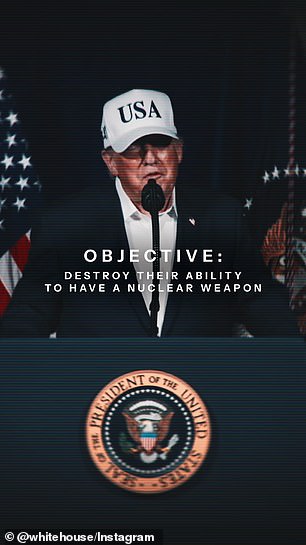
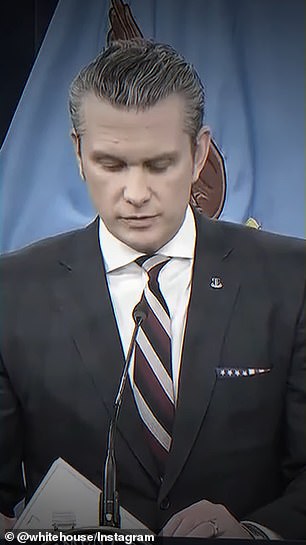

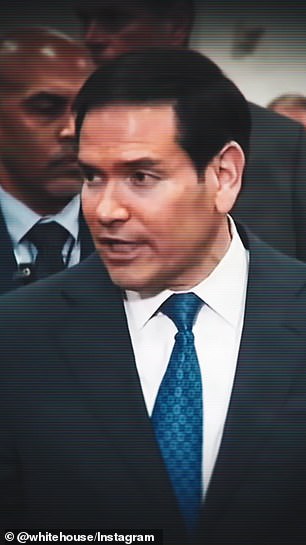
The Pentagon has not responded to requests for comment on this story, leaving the debate over the administration’s approach to continue. As the White House continues to push its message through social media, the question remains whether this strategy will resonate with the broader public or further polarize opinions on the conflict.