
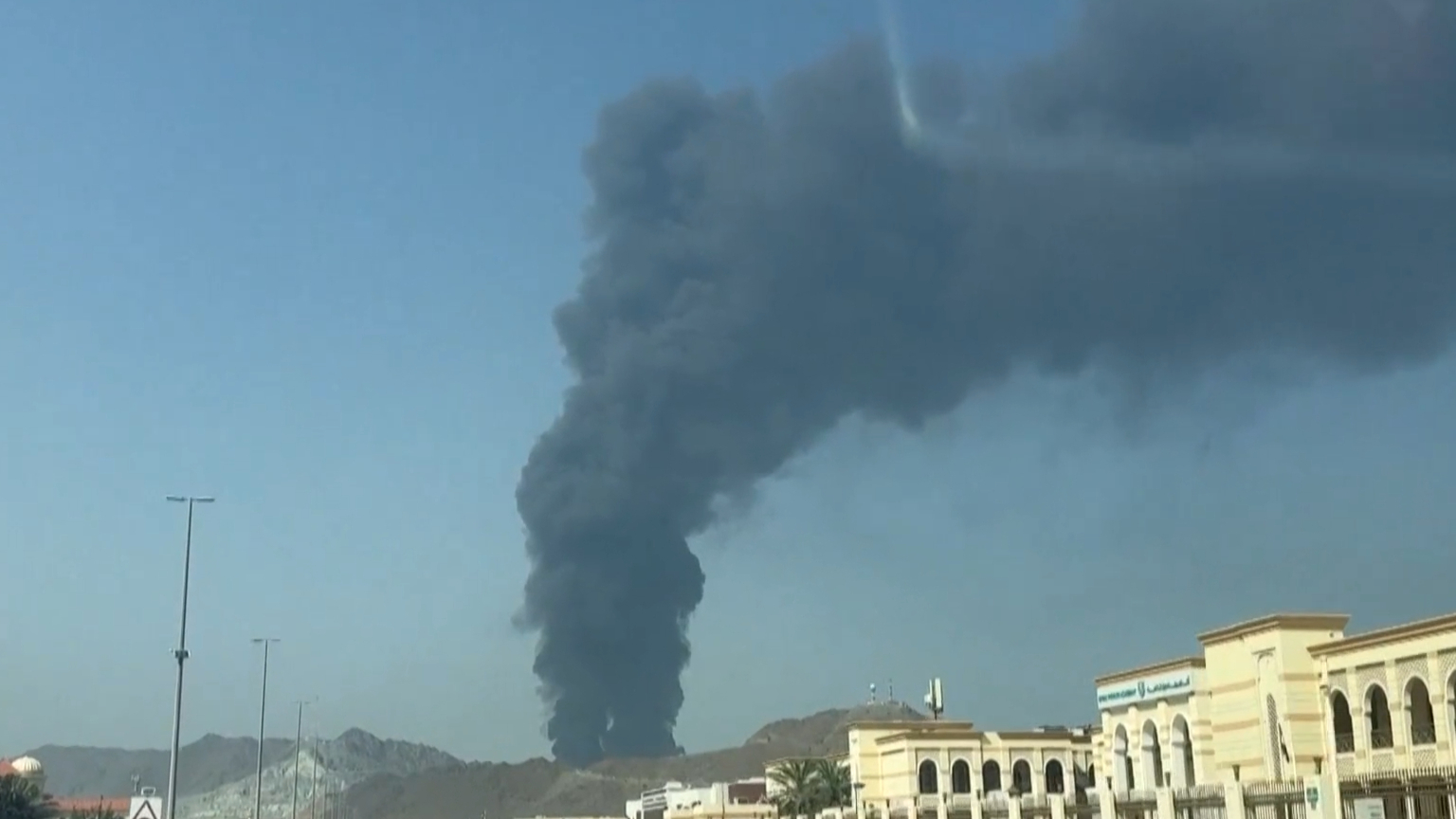
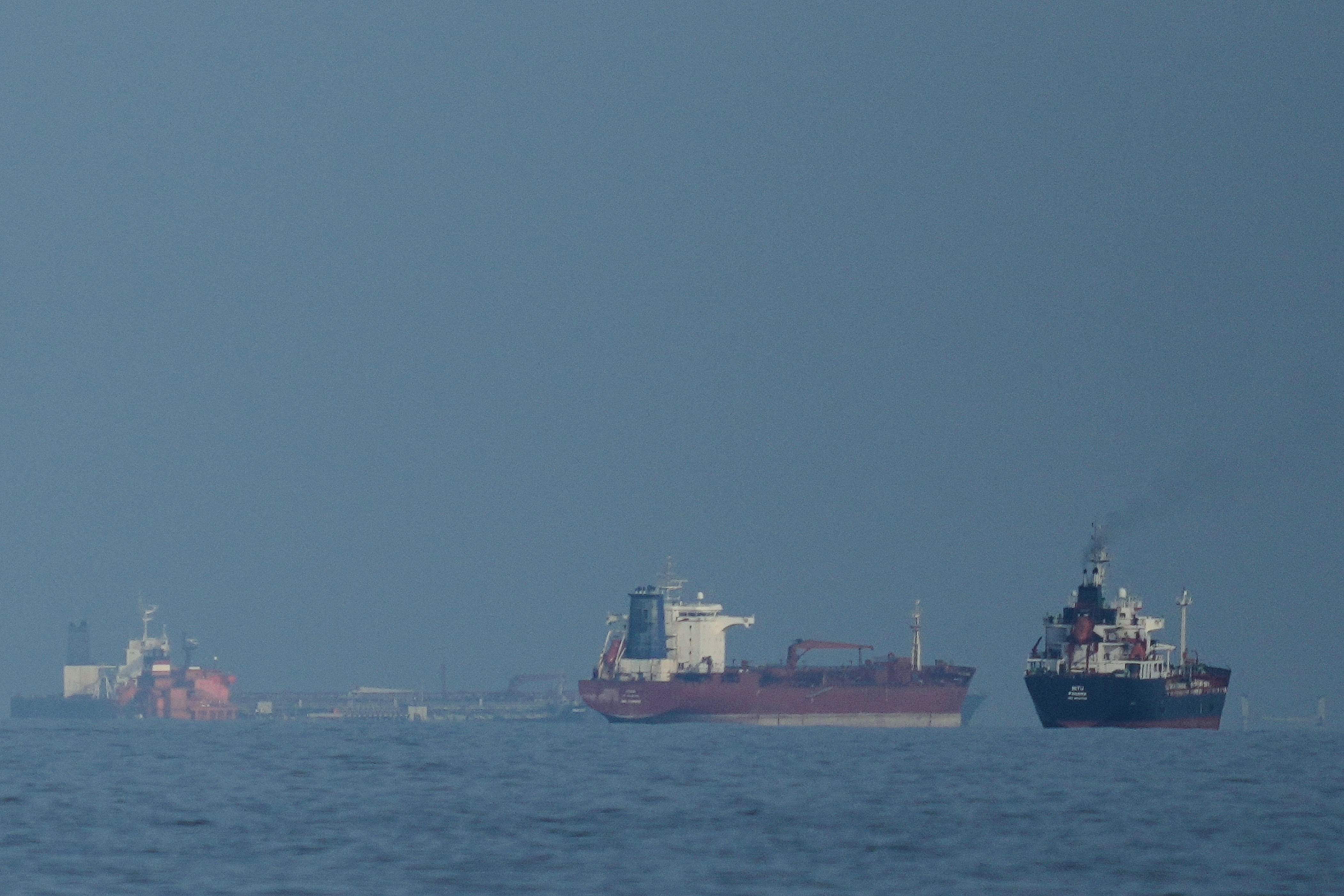
The Strait of Hormuz, a vital maritime artery that facilitates the passage of one-fifth of the world’s oil, is facing unprecedented disruption. Recent escalations in the Middle East have led to a near-complete shutdown of this critical waterway, sparking global concern over oil supply and soaring fuel prices.
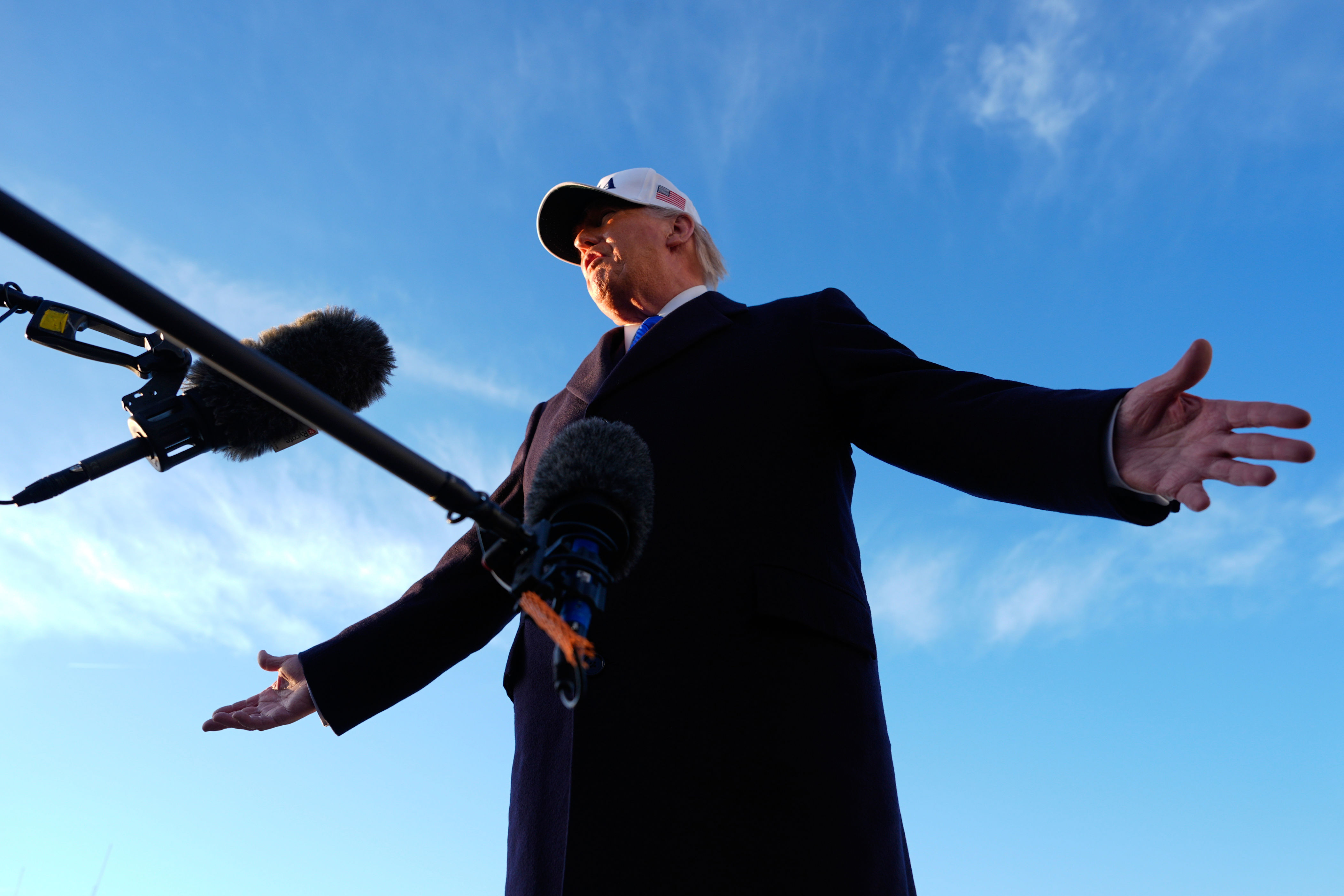
In a dramatic turn of events, US President Donald Trump has issued a call to several allied nations to deploy naval assets to the region. The objective is to secure the Strait of Hormuz and alleviate the severe global oil supply interruptions attributed to the ongoing conflict in Iran. This plea comes despite Trump’s assertion of having “beaten and completely decimated Iran, both militarily, economically, and in every other way.”
President Trump articulated his position via a post on Truth Social, stating, “We have already destroyed 100 per cent of Iran’s military capability, but it’s easy for them to send a drone or two, drop a mine, or deliver a close-range missile somewhere along, or in, this waterway, no matter how badly defeated they are.” He further appealed to countries such as China, France, Japan, South Korea, and the UK, urging them to contribute ships to the area. “Hopefully China, France, Japan, South Korea, the UK, and others, that are affected by this artificial constraint, will send ships to the area so that the Hormuz Strait will no longer be a threat by a nation that has been totally decapitated,” he declared.
The US administration has pledged to take decisive action while awaiting international cooperation. “In the meantime, the United States will be bombing the hell out of the shoreline, and continually shooting Iranian Boats and Ships out of the water. One way or the other, we will soon get the Hormuz Strait OPEN, SAFE, and FREE!” President Trump proclaimed. The US is reportedly engaged in coordinating efforts with affected nations to achieve the reopening of the Strait.
This development follows closely on the heels of a significant US military action. Just a day prior, US forces reportedly bombed Kharg Island, an Iranian coral outcrop responsible for producing approximately 90 per cent of the country’s oil output, equating to around 950 million barrels annually. President Trump maintained that the strikes were confined to military targets, leaving oil infrastructure untouched. However, he issued a stern warning, indicating that the US would “immediately reconsider” its approach if the safe passage of ships through the Strait of Hormuz is not guaranteed.
International responses to the US appeal have been mixed. The UK Defence Ministry acknowledged the situation, stating, “We are currently discussing with our allies and partners a range of options to ensure the security of shipping in the region.” France, while also seeking to secure the Strait, has adopted a more cautious stance. Defence Minister Catherine Vautrin informed France24 that “there is no question of sending any vessels” to the embattled area.
The Critical Role of the Strait of Hormuz
The Strait of Hormuz is a narrow waterway, approximately 39 kilometres wide at its narrowest point, situated between the Persian Gulf and the Gulf of Oman. Its strategic location makes it indispensable for the global energy market.
Oil and Gas Transit: The strait serves as the primary export route for oil and natural gas from major producing nations in the region, including:
- Saudi Arabia
- Kuwait
- Iraq
- Qatar
- Bahrain
- The United Arab Emirates
- Iran
Key Markets: The oil and gas transported through the Strait of Hormuz are destined for markets across Asia, with China being a particularly significant customer for Iranian crude.
Limited Alternatives: For many of these countries, particularly Saudi Arabia and the UAE, there are very few, if any, viable alternative routes to bypass the Strait for their oil exports.
Global Ramifications of Disruption
The repercussions of any disruption to the Strait of Hormuz are far-reaching and profoundly impact the global economy. The Islamic regime in Iran has previously threatened to block oil exports from the region, vowing not to allow “even a single litre” to be shipped to its adversaries.
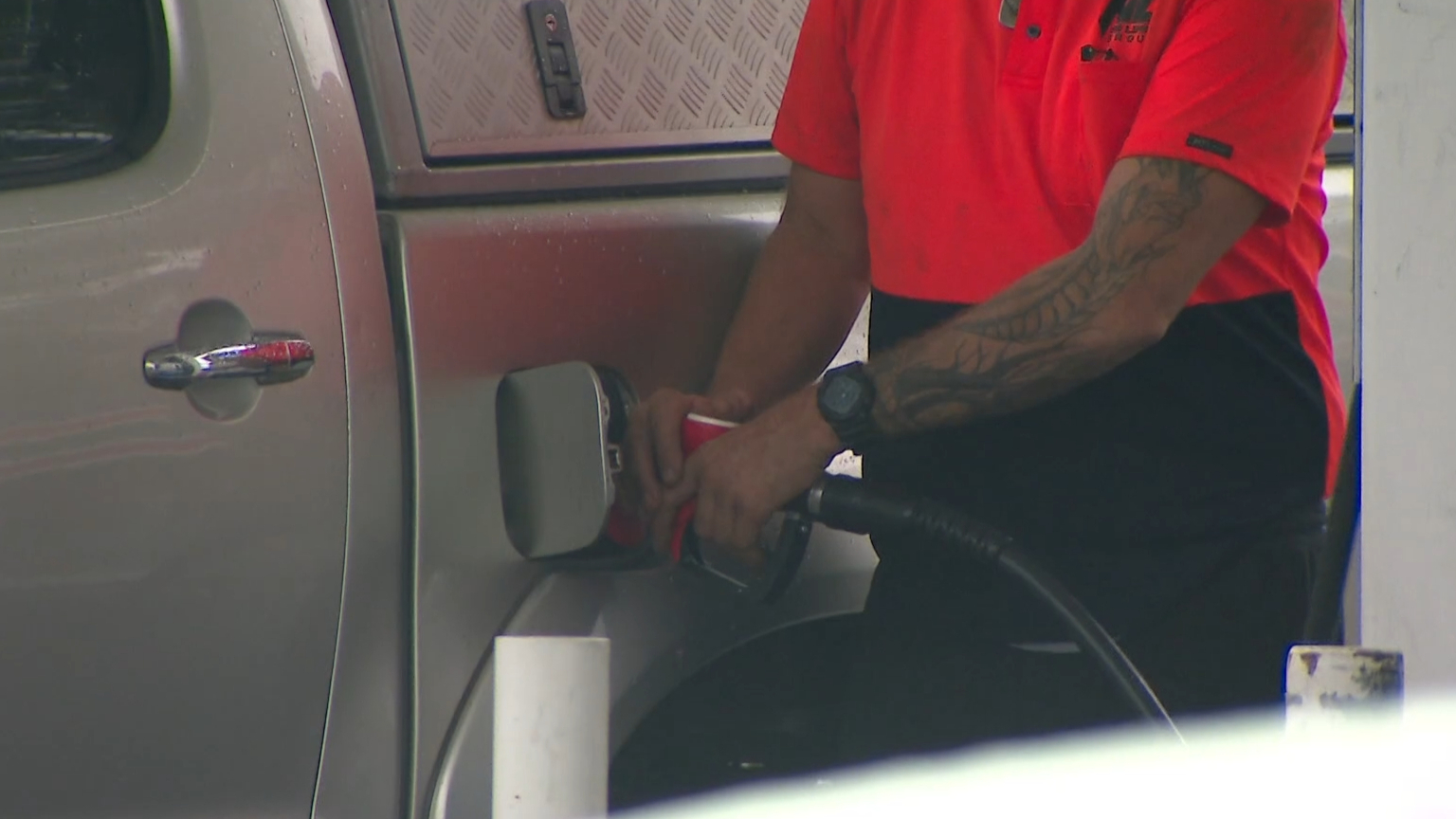
Surging Oil Prices: The closure of the Strait has already led to a sharp increase in global oil supply disruptions, driving prices to an alarming $US100 per barrel. This surge directly translates to higher fuel costs for consumers worldwide.
Impact on Australia: In Australia, consumers are already feeling the pinch, with prices at the pump reportedly exceeding $2 per litre. The nation, which imports a substantial 90 per cent of its oil, has taken measures to mitigate the impact.
- Energy Minister Chris Bowen confirmed that Australia has released 20 per cent of its strategic petrol and diesel reserves.
- This release provides approximately 1.6 billion litres of petrol, 2.7 billion litres of diesel, and 800 million litres of jet fuel.
- These reserves represent roughly 37 days’ worth of petrol, 30 days of diesel, and 29 days of jet fuel.
International Energy Agency Response: The International Energy Agency (IEA) has responded to the crisis by authorising the largest-ever release of oil from its emergency reserves – a staggering 400 million barrels. This action is a direct consequence of the supply disruptions stemming from the situation in the Strait of Hormuz.
Political scientist Simon Jackson highlighted the precarious position of countries like Australia, situated at the end of the fuel supply chain. He suggested that the conflict could escalate further, with Iran potentially prolonging the confrontation to exert maximum pressure on Western nations. “The game theory element of this is Iran could be holding back, digging in for protracted conflict, because the longer that they can make this thing go, the more pain comes onto the West through what’s happening,” Jackson commented. The ongoing volatility in the Middle East underscores the delicate balance of global energy security and the profound impact of regional conflicts on international markets.


