
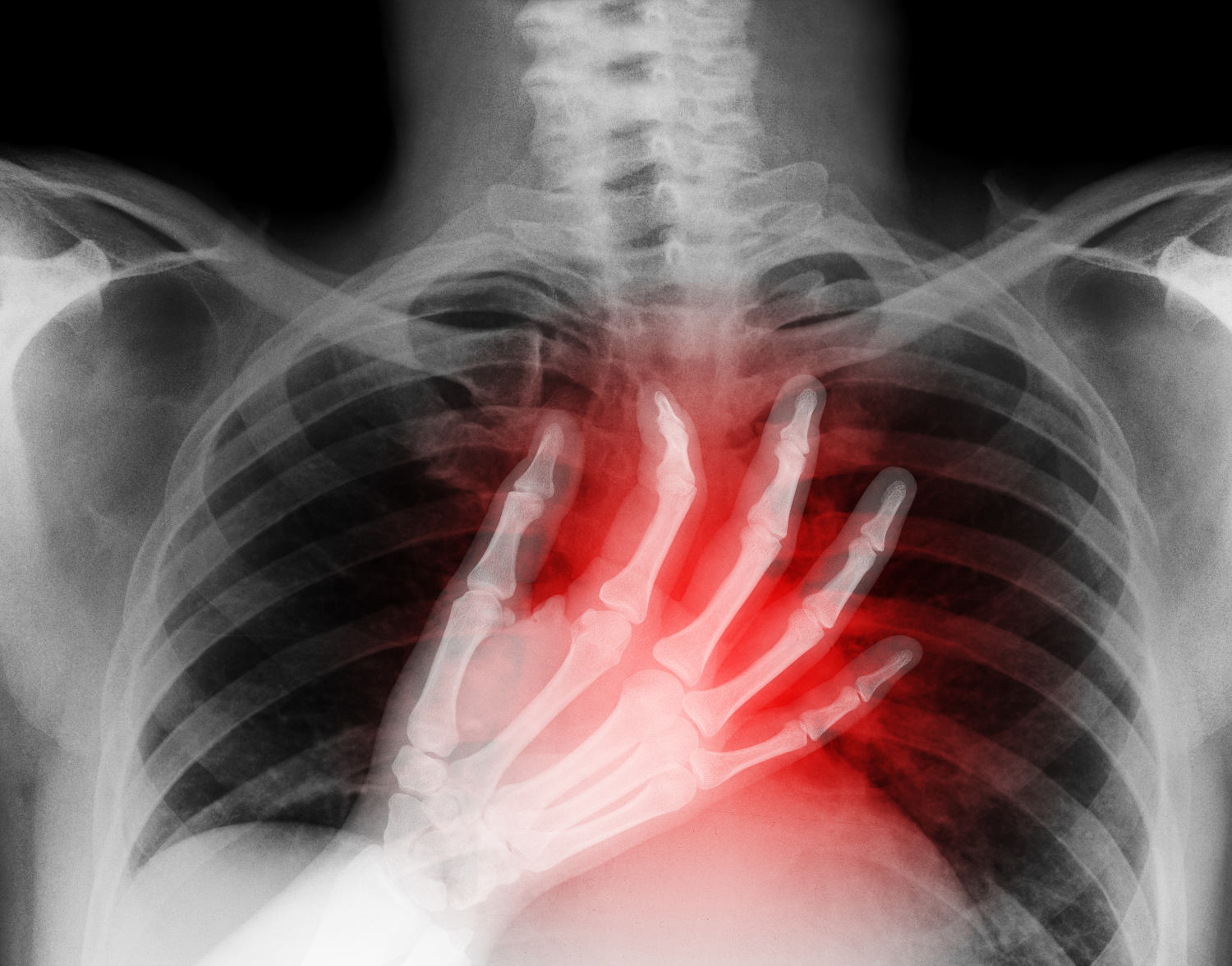
The insidious nature of heart disease is something Dr. Jennifer Haythe frequently observes. As a cardiologist and co-director of the Columbia Women’s Heart Center in New York, she’s on the front lines treating patients battling the nation’s leading killer. “You can have many risk factors for heart disease that are completely silent for many, many years and then suddenly have a massive heart attack if you’re not getting appropriately screened,” Dr. Haythe explains.
“You don’t feel high blood pressure; you don’t feel high cholesterol,” she continues. “There are a lot of risk factors that have no symptoms. And it just reaches a critical point.” This highlights a critical aspect of heart disease: its often asymptomatic progression, making proactive screening and awareness paramount.
A Doctor’s Personal Approach to Heart Health
Given her deep understanding of cardiovascular risks, it’s natural to wonder how Dr. Haythe safeguards her own heart. Like many, she manages a family history of high cholesterol with a daily statin. Her commitment extends to her lifestyle choices.
A cornerstone of her regimen is a Mediterranean diet, complemented by regular exercise three to four times a week. This includes a blend of cardiovascular activities like running and cycling, alongside strength training. She also adheres to a strict no-smoking policy and limits alcohol consumption. Crucially, Dr. Haythe prioritises sleep, aiming for at least seven hours each night – a vital component of what the American Heart Association deems “Life’s Essential 8” for optimal heart health.
Proactive Health Monitoring
Dr. Haythe doesn’t just preach prevention; she practices it. Her annual check-ups with her primary care physician and gynaecologist are non-negotiable. These routine visits include essential screenings for blood pressure, cholesterol, and hemoglobin A1C levels.
“I talk a lot about how I want women to pay attention to symptoms, but sometimes I also remind myself that I have to pay attention to symptoms in myself,” she confides. “I feel very attuned to myself. So if I started to feel any of these symptoms, I would get attention.” This self-awareness is a powerful tool in early detection.
Key Warning Signs to Heed
Dr. Haythe identifies several “big ones” that would immediately raise her concern, prompting her to seek medical attention. These are critical signals that anyone should be aware of:
1. Chest Pressure or Pain
This remains the paramount warning sign for heart attacks, affecting both men and women. While the American Heart Association acknowledges other symptoms can be present, particularly in women, chest discomfort is the primary indicator.
According to the National Heart, Lung, and Blood Institute, chest pressure or pain occurs when a portion of the heart muscle is deprived of oxygenated blood due to blocked arteries. It can manifest as a feeling of pain, pressure, tightness, discomfort, squeezing, heaviness, or even burning in the chest. This sensation can be persistent, lasting more than a few minutes, or it might subside and then return. The discomfort can radiate from the centre of the chest to the shoulders, arms, neck, jaw, or back.
2. Increased Shortness of Breath
Dr. Haythe highlights that a sudden increase in breathlessness during activities that were previously manageable is a significant concern. “If I did a normal activity that suddenly made me feel more short of breath, like running, going up the subway stairs or my normal exercise routine,” she states, “(it) would make me feel alarmed.”
This heightened shortness of breath, beyond what’s typical for a given activity, is a major red flag. It can indicate ischemia, a condition where blockages in the heart’s arteries restrict blood flow to the heart muscle, even before a full heart attack occurs. “That can manifest as shortness of breath or chest pain,” she explains.
3. Persistent Upper Abdominal Pain
Often mistaken for heartburn or reflux, pain in the upper abdomen, particularly below the breastbone, can be a subtle sign of heart trouble. Dr. Haythe stresses that women, in particular, should not dismiss gastrointestinal symptoms. “Women in particular shouldn’t ignore gastrointestinal symptoms of heart disease,” she warns. “Nausea, some mid-epigastric pain, that feeling of reflux — that burning feeling that is not actually reflux and it’s a slightly different or not going away or just feels not right.” This symptom, alongside chest pressure and worsening shortness of breath, is one she’d closely monitor in herself.
4. Dizziness or Lightheadedness
A sudden drop in blood pressure during a heart attack can lead to feelings of dizziness or lightheadedness. While not the most common symptom, it’s a possibility Dr. Haythe acknowledges. “It’s not the most typical symptom, but it can happen,” she notes. Furthermore, dizziness can signal an arrhythmia, or irregular heart rhythm, which can impair blood flow to the brain, causing these sensations.
5. Breaking Out Into a Cold Sweat
Unexplained clamminess, particularly when not associated with physical exertion, can be the body’s response to pain or distress. While acknowledging that menopausal women often experience hot flushes and sweating, Dr. Haythe emphasizes the significance when this occurs alongside other potential heart attack symptoms. “A lot of women in menopause sweat a lot, so I don’t want every single menopausal woman to think she’s having a heart attack,” she cautions. “But having sweating in the setting of chest discomfort or shortness of breath is certainly a very important symptom of heart attack and should not be ignored.”
6. Heart Palpitations
The sensation of the heart skipping a beat, racing, or pounding is known as palpitations. While occasional fluttering is normal for most people, persistent or sustained palpitations, especially when accompanied by lightheadedness or a general feeling of being unwell, warrant medical evaluation. This could be an indicator of atrial fibrillation, a common type of arrhythmia.
Taking Action and Trusting Your Instincts
If you experience chest pain or pressure, shortness of breath, or any of the other symptoms mentioned, it’s crucial to seek immediate medical attention by calling emergency services.
Dr. Haythe reiterates that the risk of heart disease catching you off guard can be significantly reduced through regular screenings and proactive preventive care. “Be diligent about seeing your doctor once a year and having your heart disease risk factors checked,” she advises, including regular monitoring of blood pressure and cholesterol.
“It’s never too late to intervene and start taking care of yourself, taking your medication and living a healthy lifestyle,” she concludes. “Trust yourself. If you feel like something’s wrong, there’s maybe something wrong. Trust your gut. If the doctor you go to doesn’t pay attention, then get another opinion.” This emphasis on self-advocacy and seeking second opinions is vital for ensuring optimal health outcomes.


