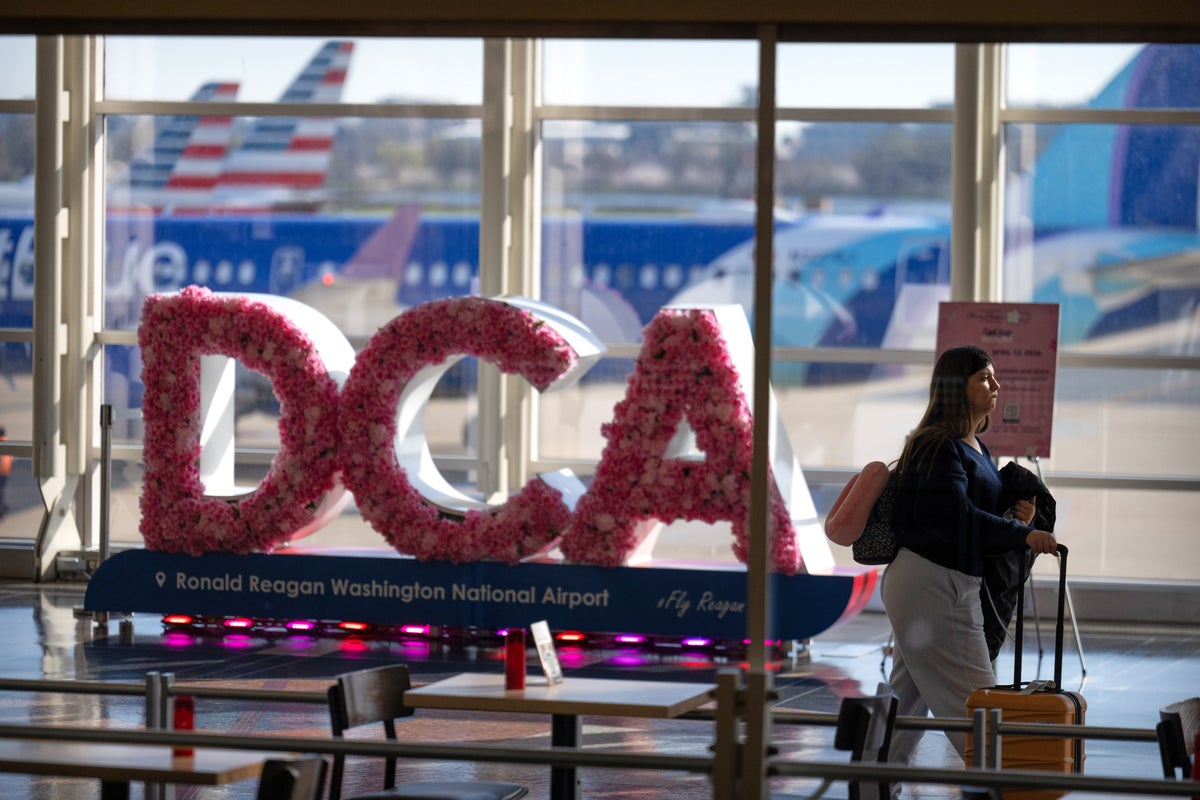
Air Traffic Control Centre Disruption Sparks Airport Delays Across Washington D.C. Region
Travellers faced significant disruptions on Friday evening as the Federal Aviation Administration (FAA) implemented temporary ground stops at several key airports serving the Washington, D.C., metropolitan area. The measure was a direct response to a “strong smell” reported at an air traffic control centre, causing widespread flight delays and impacting hundreds of passengers.
The airports affected by the ground stops, which were initiated around 6:40 p.m. local time and lifted less than two hours later, included:
- Ronald Reagan Washington National Airport (DCA)
- Washington Dulles International Airport (IAD)
- Baltimore-Washington International Airport (BWI)
- Charlottesville–Albemarle Airport (CHO)
- Richmond International Airport (RIC)
The unsettling odour was detected at the Potomac Consolidated Terminal RADAR Approach Control (TRACON), located in Warrenton, Virginia. While the FAA confirmed the incident, the exact cause of the smell remains under investigation.
The repercussions of the ground stops were immediately evident in flight tracking data. According to FlightAware, a leading flight tracking website, the delays were substantial:
- Baltimore/Washington International Airport (BWI) saw over 170 flights delayed.
- Washington Dulles International Airport (IAD) experienced delays for more than 200 flights.
- Ronald Reagan Washington National Airport (DCA) reported the highest number of delayed flights, with over 300.
This latest disruption comes at a particularly challenging time for air travellers across the United States, who are already contending with extended security screening queues due to an ongoing government shutdown impacting the Department of Homeland Security.
A Troubling Pattern of Incidents
Alarmingly, this is not the first time a strong odour has led to a shutdown at the Potomac TRACON. Approximately two weeks prior to Friday’s event, a similar “strong odor” was reported at the same air traffic control facility. That incident also triggered ground stops at neighbouring airports and necessitated the evaluation of over 30 FAA employees. Fortunately, none required hospitalisation.
Transportation Secretary Sean Duffy, speaking about the earlier March 13 incident, attributed the cause to an overheated circuit board. He had previously stated via the social media platform X that “Firefighters from Fauquier County and Prince William County confirm there is no danger to air traffic controllers, and they are returning to the Potomac TRACON. The source of the strong odor was traced to a circuit board that overheated, and it was replaced.”
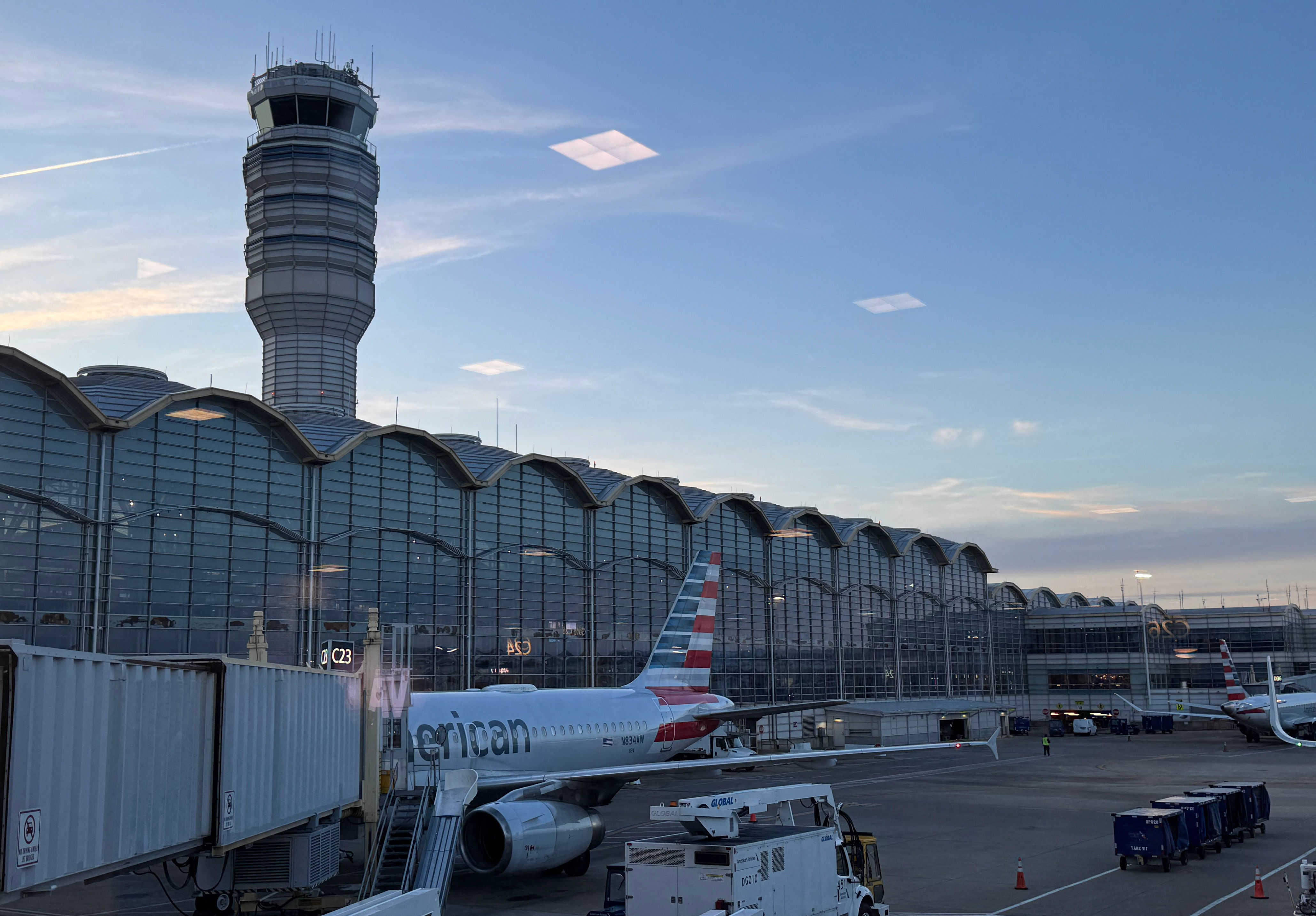
The immediate aftermath of the previous incident saw passengers at Washington-area airports endure lengthy delays. Kristen Rodrigues, a passenger who was en route to Chicago, recounted her experience to CNN at the time, describing hours of waiting on the runway with minimal updates, noting the palpable frustration among the flight crew.
The recurring nature of these smell-related disruptions at a critical air traffic control hub raises questions about the facility’s infrastructure and maintenance protocols. While the FAA has assured the public that the immediate danger is contained and that controllers are safe, the impact on air travel and passenger confidence is significant. Further investigation into the root cause of these persistent odours is crucial to prevent future disruptions and ensure the continued smooth operation of air traffic control services in the vital Washington, D.C., airspace.