

Airline Cuts and Price Hikes as Fuel Crisis Hits Australia
The Australian aviation sector is experiencing significant disruptions due to the ongoing fuel crisis, with several major airlines taking measures to manage rising costs. These actions include flight suspensions, fare increases, and capacity reductions, all of which are impacting passengers and operations across the country.
Flight Suspensions and Route Cuts
Fiji Airways has announced that it will temporarily stop its FJ922 and FJ923 services between Fiji and Brisbane starting April 25. The airline attributes this decision directly to the surge in fuel prices, which have continued to create financial challenges for the industry.
This move comes after other airlines warned that Australians could face higher airfares and fewer travel options as the sector struggles to cope with increasing fuel costs. Meanwhile, domestic flights are also being affected. Qantas has confirmed that it will cease its service between Adelaide and Mount Gambier from May 18, citing the route as “no longer viable.”
Fare Increases and Capacity Reductions
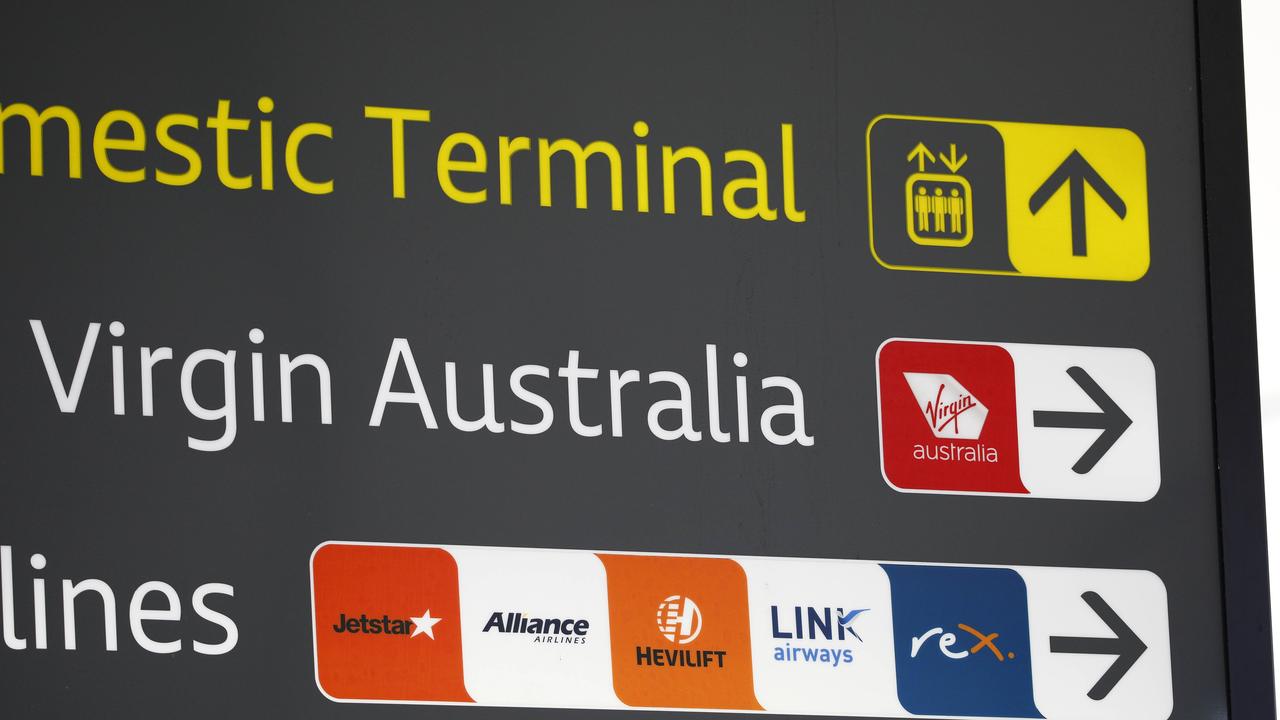
Virgin Australia has also taken steps to address rising fuel costs. The airline announced that some airfares will increase, while also reducing capacity by one per cent over the next quarter. This aligns with a previous announcement made in March, highlighting the ongoing pressure on the industry.
Qantas has gone further, temporarily suspending five per cent of its domestic flights. Virgin Australia’s fuel costs account for about 21 per cent of total expenses, with the airline consuming 3.4 million barrels of oil in the first half of 2026. However, the airline has hedged 92 per cent of its Brent crude oil for the second half of the 2026 financial year, leading to a 12 per cent rise in its share price following the announcement.
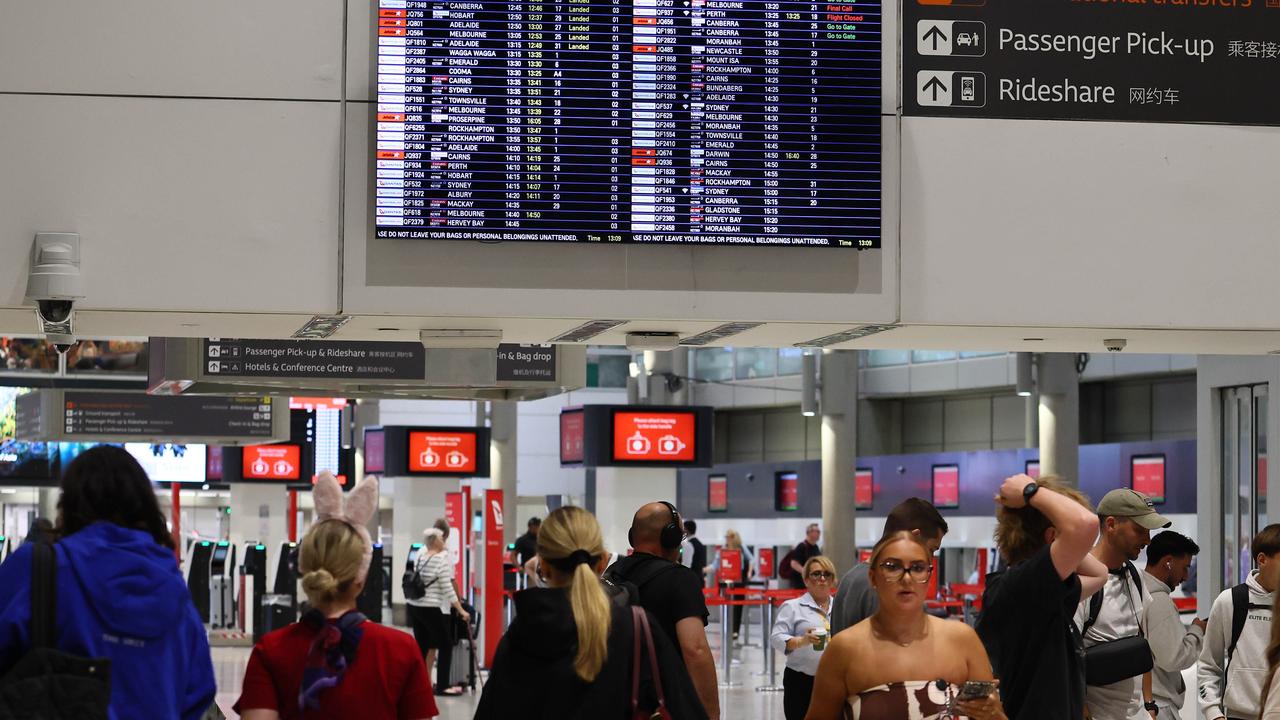
Despite these efforts, Virgin Australia expects an increase in fuel costs of $30-40m above earlier forecasts. The airline noted that jet fuel prices have more than doubled since late February. It also mentioned that its fuel suppliers continue to assure supply through May 2026.
Additionally, Virgin Australia’s wet lease arrangement with Qatar Airways is currently suspended until mid-June. The airline stated that this arrangement does not pose a financial risk and is not material to its balance sheet or earnings.
Qantas Faces Major Financial Challenges
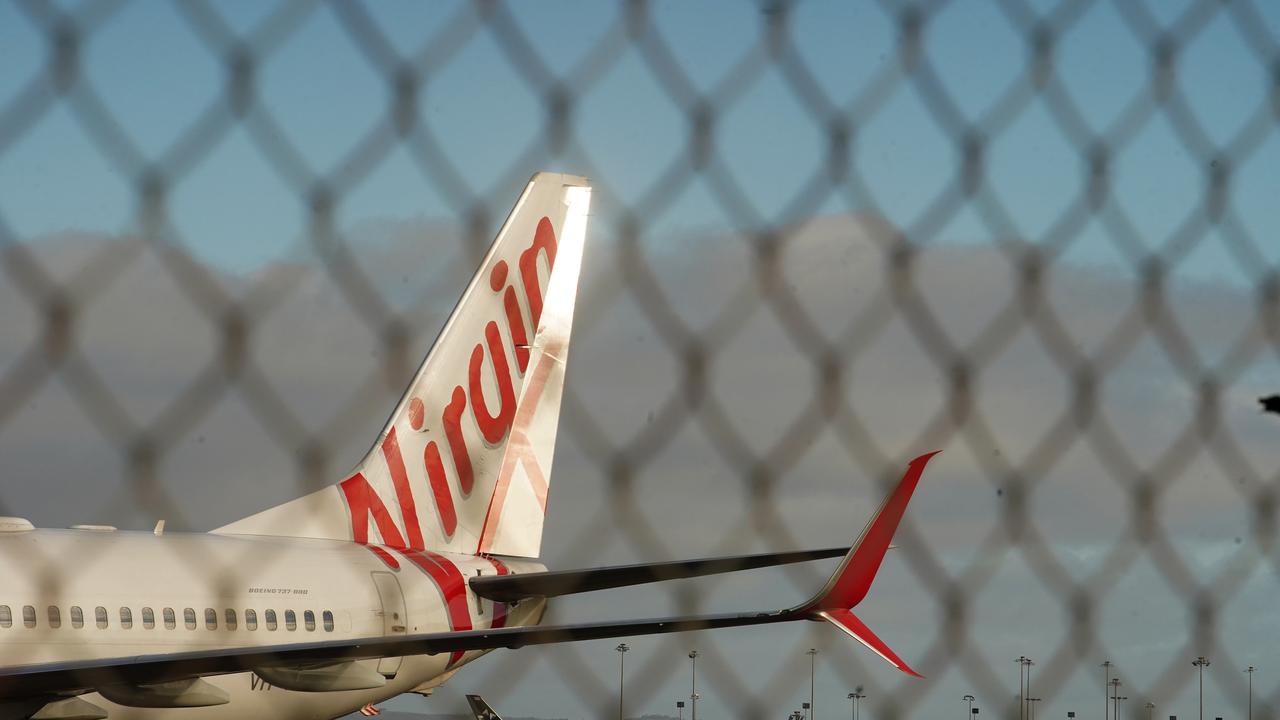
Qantas has issued a warning that surging fuel costs will cost the company between $3.1bn and $3.3bn for jet fuel over the second half of the financial year. This represents an increase of $600m to $800m compared to previous estimates.
“The group continues to closely monitor the dynamic environment and retains optionality to take further actions to mitigate fuel cost increases over time,” Qantas said in a media statement.
Affected Qantas and Jetstar passengers will be contacted directly, with alternative flights or refunds available for those impacted. Qantas highlighted that jet fuel refinery margins have increased significantly, from $US20 ($A28) to $US120 (A169) a barrel.
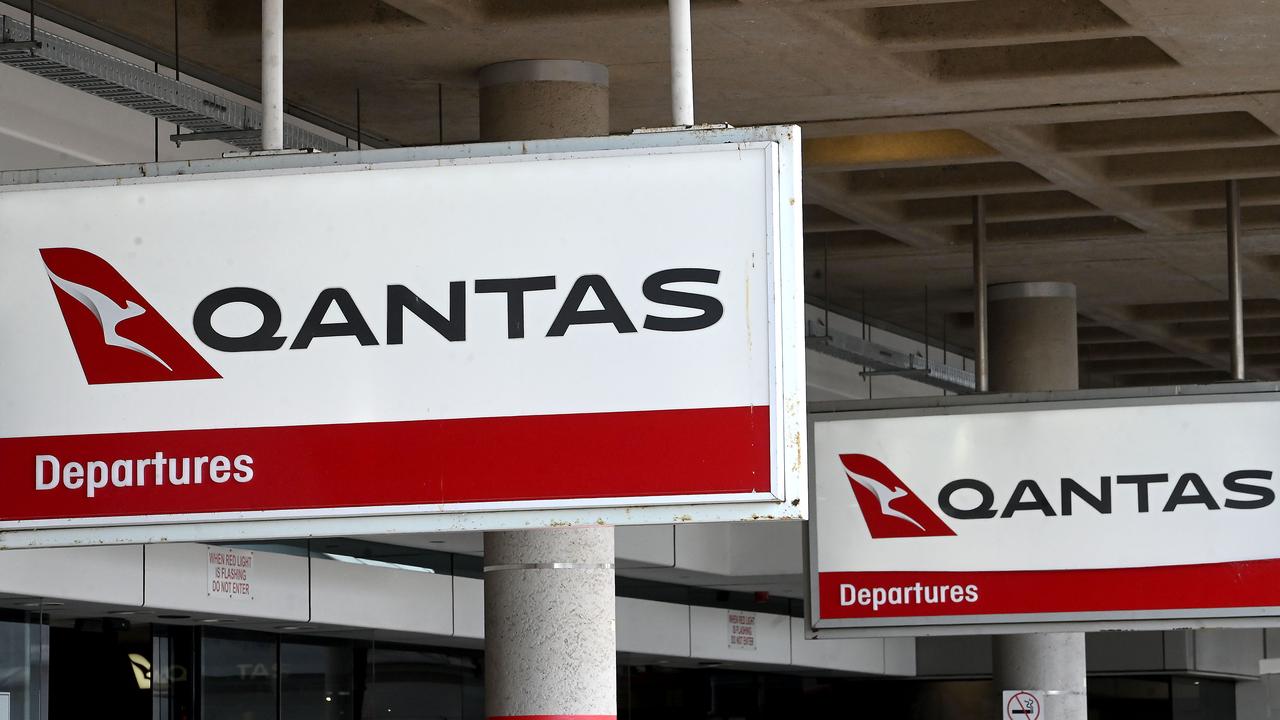
The airline now assumes that market jet fuel prices will range between $A185 to $A200 a barrel, excluding hedging, over the June quarter. Qantas said it is working closely with the government and jet fuel suppliers, who continue to provide confidence in fuel supply for the remainder of April and well into May.
“We are closely monitoring the situation given the ongoing uncertainty in global fuel supply chains,” the airline added.
These developments underscore the growing challenges faced by the Australian aviation industry as it navigates the impact of rising fuel costs. Passengers are advised to stay informed about any changes to their travel plans, while airlines continue to implement strategies to manage financial pressures.