
Love on the Spectrum: A Refreshing Dose of Honesty in the Modern Dating Landscape
In a world often dominated by “doom-scrolling” and a pervasive sense of existential dread, finding solace and genuine connection can feel like a monumental task. For many, a welcome escape can be found in the unvarnished reality of human interaction. The US version of the popular docuseries Love on the Spectrum on Netflix has emerged as precisely that – not just a television show, but a balm for the weary soul, particularly for those navigating the often-treacherous waters of modern romance. Having recently binged Season 3, the experience was nothing short of a revelation.
In an era defined by the frustrating ambiguities of “breadcrumbing,” the abrupt disappearances of “ghosting,” and the sheer exhaustion of “swipe-right” culture, this Emmy-winning series stands apart. It eschews the manufactured drama and “villain edits” common in many dating shows, offering instead a collaborative, deeply human, and remarkably kind portrayal of individuals seeking love.
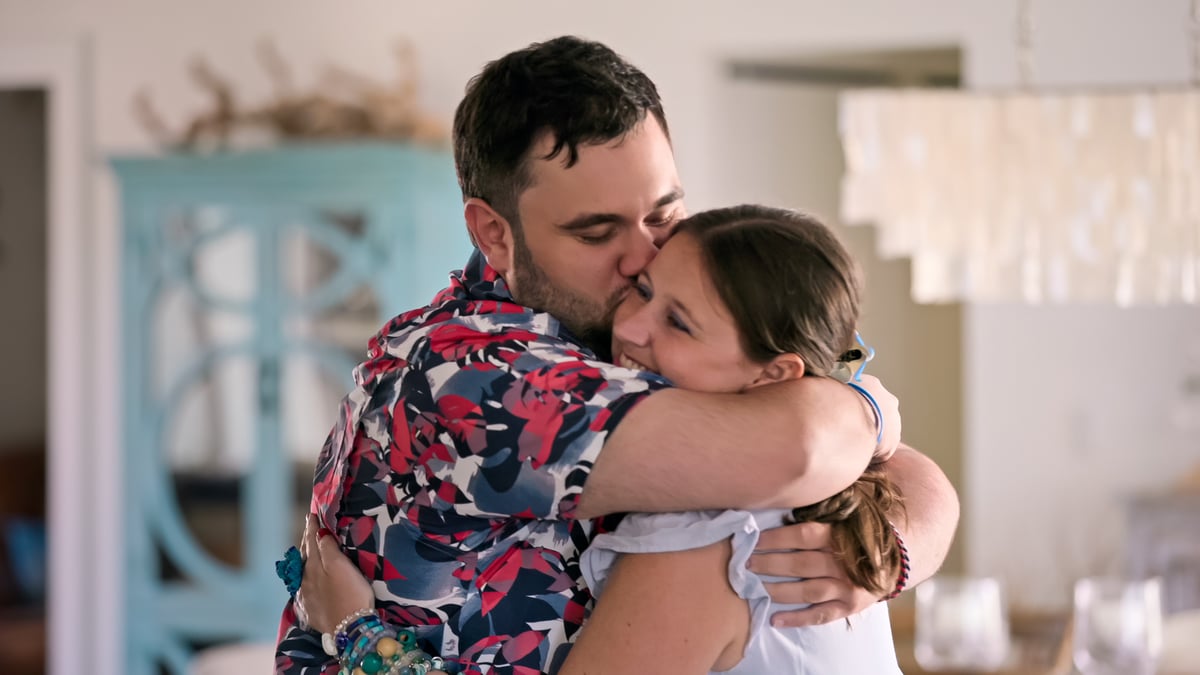
Madison and her ‘Texan cowboy’ Tyler. Image: Netflix.
The show centres on nine participants, all of whom are on the autism spectrum. Their journeys offer a beautiful and diverse tapestry of neurodivergent experiences. What becomes strikingly clear is that while these individuals navigate a dating world not always designed with their communication styles in mind, their inherent directness exposes the often-unnecessary noise and performative “games” that have become the exhausting standard for contemporary relationships.
A Masterclass in Genuine Connection
Love on the Spectrum provides a refreshing masterclass in how to approach relationships with authenticity. There are no convoluted guessing games here. The cast members consistently lead with radical honesty, ensuring that by the end of each date, their intentions and feelings are clear. This approach prompts a crucial realisation: in the current dating climate, it’s not the participants on the show who are doing things differently; rather, they are often doing them right.
Consider the experience of Madison. Viewers watched as she went on a date with someone who, it became evident, wasn’t the right fit for her. She possessed the clarity to recognise this and, instead of resorting to the common “slow fade” or a delayed, awkward text message, she communicated her feelings directly and in the moment.
Later, we witness her encounter Tyler, her “Texan cowboy.” The chemistry between them was palpable and immediate. At the conclusion of their second date, Madison turned to Tyler and expressed, “I can really see this going somewhere.” Tyler readily agreed, and in a moment of beautiful, straightforward vulnerability, Madison asked, “Would you like to be my boyfriend?” His enthusiastic “absolutely” marked a significant milestone, a stark contrast to the often-uncertain outcomes of contemporary dating.
Confronting Discomfort with Courage
The directness and clarity displayed on Love on the Spectrum stand in sharp contrast to the typical experiences of many navigating the modern dating scene. The common narrative often involves investing time and emotional energy into someone, only to have them disappear without a trace. This phenomenon, it can be argued, stems from a deep-seated fear of discomfort. The act of telling someone you don’t feel a connection or see a future with them is inherently awkward.
However, the individuals featured in this series, while experiencing these same feelings of discomfort, do not shy away from them. They approach these potentially awkward situations with bravery, honesty, and directness. This behaviour highlights a significant gap in our own dating realities – a lack of that same clarity and straightforwardness.
Even when a date doesn’t result in a romantic connection, the show consistently focuses on the sheer courage it took for the participants to show up and be vulnerable. The ultimate “win” isn’t solely about finding a partner; it’s about the personal growth, the bravery, and the willingness to be vulnerable that each interaction fosters.
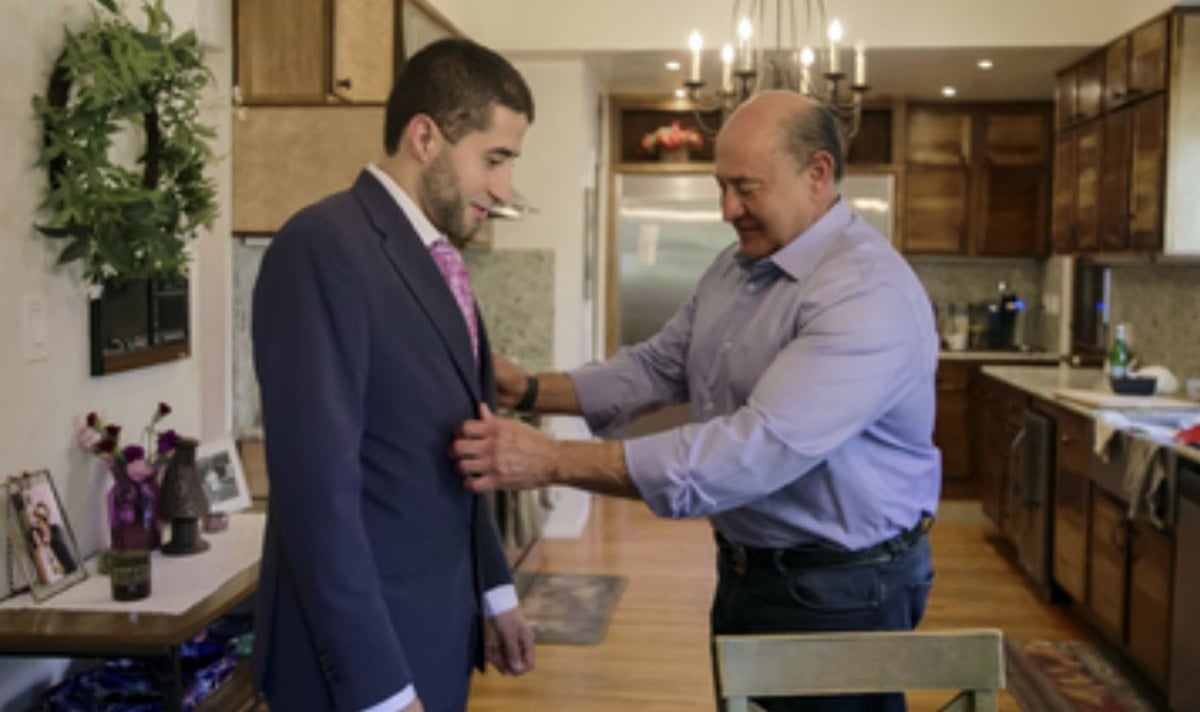
Adan and his dad putting the final touches on his suit before a date. Image: Netflix.
The Unwavering Support of Family
Beyond the romantic pursuits, Love on the Spectrum offers an invaluable glimpse into the lives of the participants’ biggest cheerleaders: their families. These parents and siblings are portrayed as fiercely protective yet incredibly empowering figures. They act as the ultimate wingmen, celebrating every small victory – whether it’s a successful first conversation or a second date – with an enthusiasm usually reserved for championship wins. Their unwavering support provides a crucial foundation for the participants as they navigate the complexities of dating.
An Infectious Joy
The series also has the remarkable ability to evoke a state of pure, unadulterated joy in its viewers. It’s a rare form of television that leaves you feeling profoundly moved, not by sadness, but by the sheer infectious happiness radiating from the screen. The genuine connections and heartfelt moments are so potent that it’s difficult not to be moved to tears.
What’s Next for Love on the Spectrum?
For those who have already devoured the first three seasons of the US series, the good news is that anticipation for more is short-lived. Season 4 of the US Love on the Spectrum is set to land on Netflix Australia this Wednesday, April 1st. This new season promises to introduce fresh faces such as Logan, Emma, and Dylan, while also providing updates on beloved returning couples, including Madison and Tyler, who have recently reached significant relationship milestones.
If you’re seeking a respite from the constant barrage of news and a much-needed dose of authentic human connection, consider indulging in the first three US seasons. Better yet, for those who want to experience the show from its origins, revisiting the two seasons of the original Australian version is highly recommended. It is, without a doubt, essential and heart-expanding viewing.
Ultimately, Love on the Spectrum is more than just a distraction; it’s a television experience that inspires viewers to cultivate a kinder, more honest version of themselves. It reminds us of the profound beauty and strength found in vulnerability and directness, offering a much-needed perspective on the art of building genuine connections.


