
Understanding Atrial Fibrillation and Its Impact
Maryanne Bawden initially believed she was suffering from the flu when her husband urged her to visit the hospital. However, after undergoing scans, doctors revealed that she had experienced a stroke and was fortunate not to have become paralysed. This incident marked the beginning of her journey into understanding a growing health concern among older Australians: atrial fibrillation.
Atrial Fibrillation is the most common type of arrhythmia, affecting approximately one in 10 Australians over the age of 70. It significantly increases the risk of stroke by up to five times. In fact, roughly a third of all strokes in Australia are linked to this condition. For Maryanne, the experience was unexpected. “When I had my stroke, it was literally out of the blue; I didn’t even think I was having a stroke,” she explained.
Had she not received timely medical treatment, the consequences could have been severe. This realization served as a wake-up call for her and her family, prompting them to take proactive steps to prevent future incidents.

The Importance of Early Detection
Scientists at the Heart Research Institute and the University of Sydney are working on a study aimed at detecting atrial fibrillation before it leads to life-altering strokes. Across the country, over 600 Australians aged 70 and above have participated in a trial that may pave the way for a national screening program, similar to those used for bowel and breast cancer.
Preliminary results from the study have already identified previously undiagnosed cases of atrial fibrillation, which might have gone unnoticed until participants experienced a stroke. Professor Ben Freedman OAM, the chief investigator, highlighted the silent nature of the condition. “Atrial fibrillation is often silent as many people feel perfectly well and have no idea they have it,” he said.
“If we can find it earlier, we have a real opportunity to prevent those strokes from happening in the first place. The impact on individuals, families and the health system would be enormous.”

Managing the Condition
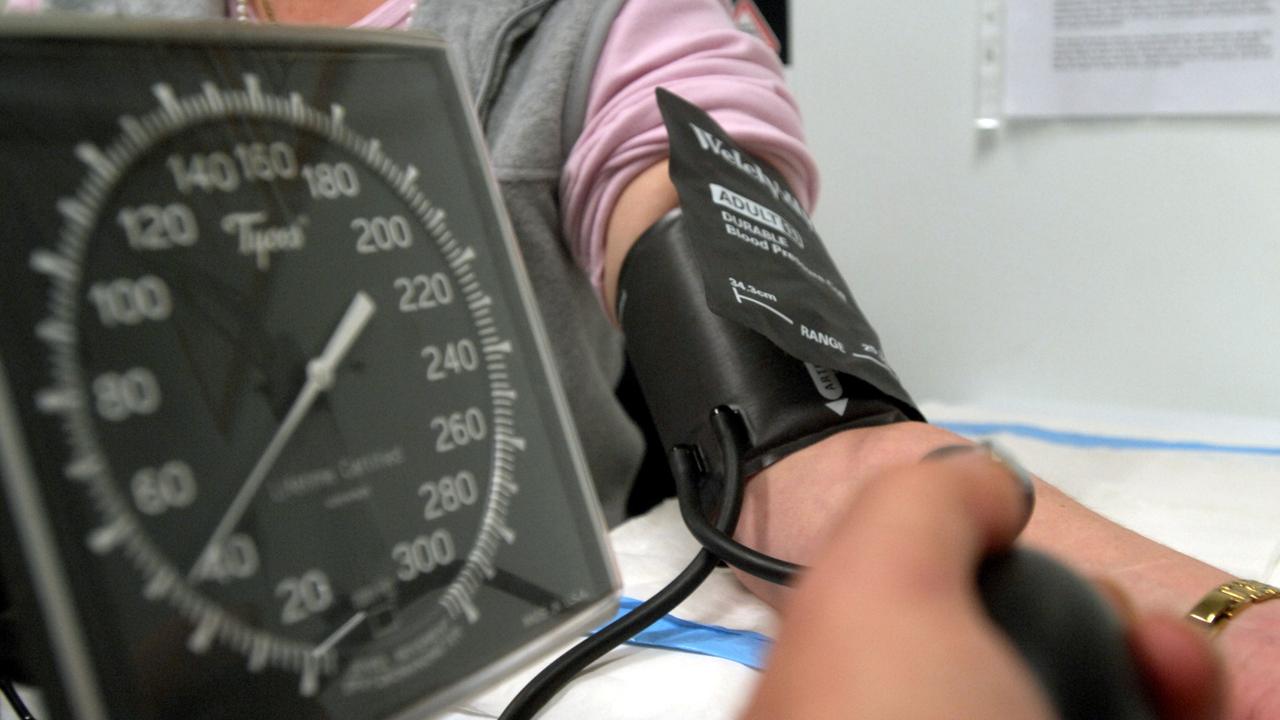
Since her diagnosis, Maryanne has taken steps to manage her condition effectively. She uses a blood pressure monitor to regulate her energy levels, medication, and ensure proper supervision from a cardiologist. Initially shaken by the news, she now feels a sense of control over her health.
“Prevention in all cases is better than trying to have a good outcome,” she said. “Now, I’m looking at life and valuing every day – as you do once you’ve had a bit of a shock.” Her story serves as a reminder of the importance of early detection and proactive management in preventing serious health complications.
For many Australians, atrial fibrillation remains an invisible threat. However, with ongoing research and increased awareness, there is hope for better outcomes and improved quality of life for those affected.