
Trump’s Response to Question on Iran and the New York Times
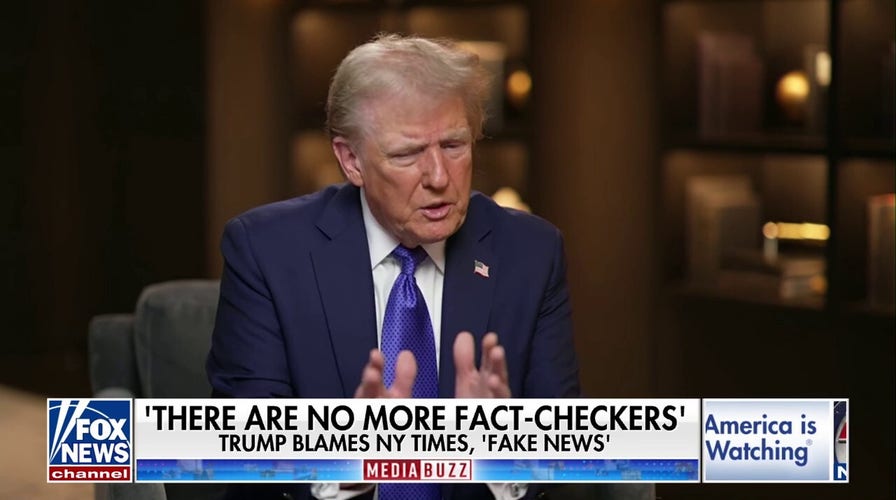
During a press conference held on Monday, US President Donald Trump faced a question from a reporter regarding the potential implications of his threats to bomb Iran’s infrastructure. The question raised concerns about whether such actions could be classified as war crimes. In response, Trump took a sharp and dismissive approach, targeting both the journalist and the publication they represented.
Mocking the New York Times
As the question was posed, Trump chose to mock the New York Times, suggesting that its “circulation” has significantly declined. He referred to the publication as a “failing” newspaper, an assertion that drew immediate attention. This comment highlighted a pattern of criticism that Trump has often directed at mainstream media outlets, particularly those he perceives as being biased against him.
Reaffirming American Goals
Despite the confrontational tone, Trump did not shy away from addressing the core issue at hand. He reiterated America’s objective of eliminating Iran’s nuclear capabilities. However, he also expressed a hope that military action would not be necessary, stating that he hoped he did not “have to” attack Iran. This statement reflected a balance between assertiveness and caution, as the situation with Iran remains a complex and sensitive geopolitical issue.
A Strong Critique of the Journalist
Following the initial exchange, Trump continued to criticize the journalist who had asked the question. He labeled the individual as a “fake” journalist, reinforcing his stance against what he perceives as unfair or misleading reporting. This critique was part of a broader effort to undermine the credibility of the New York Times and other media outlets that have reported on his administration’s policies.
Impact on Public Perception
Trump’s comments during the press conference have sparked discussions about the role of the media in holding leaders accountable. Critics argue that such dismissive remarks can erode public trust in the press and hinder informed debate. On the other hand, supporters of Trump view his responses as a defense against what they see as biased reporting.
The Broader Context
The tension between Trump and the media is not new. Throughout his presidency, he has frequently clashed with journalists, often using social media to express his frustrations. This incident further illustrates the ongoing challenges faced by the press in navigating the political landscape under his leadership.
Conclusion
The interaction between Trump and the reporter highlights the complexities of modern journalism and the challenges of maintaining a free and independent press. As the situation with Iran continues to evolve, the role of the media in providing accurate and balanced reporting becomes increasingly important. The public’s ability to access reliable information is crucial for making informed decisions about the future of national and international policies.


