The Tragedy at Jilli Market
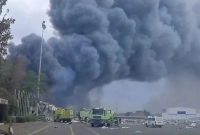
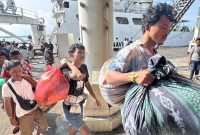
A tragic incident occurred in the north-eastern region of Nigeria when the Nigerian Air Force conducted an air strike on a market in the village of Jilli, located on the border of Yobe and Borno states. According to reports from rights groups and local media, the attack resulted in the deaths of over 100 civilians, including children, and injured many others.
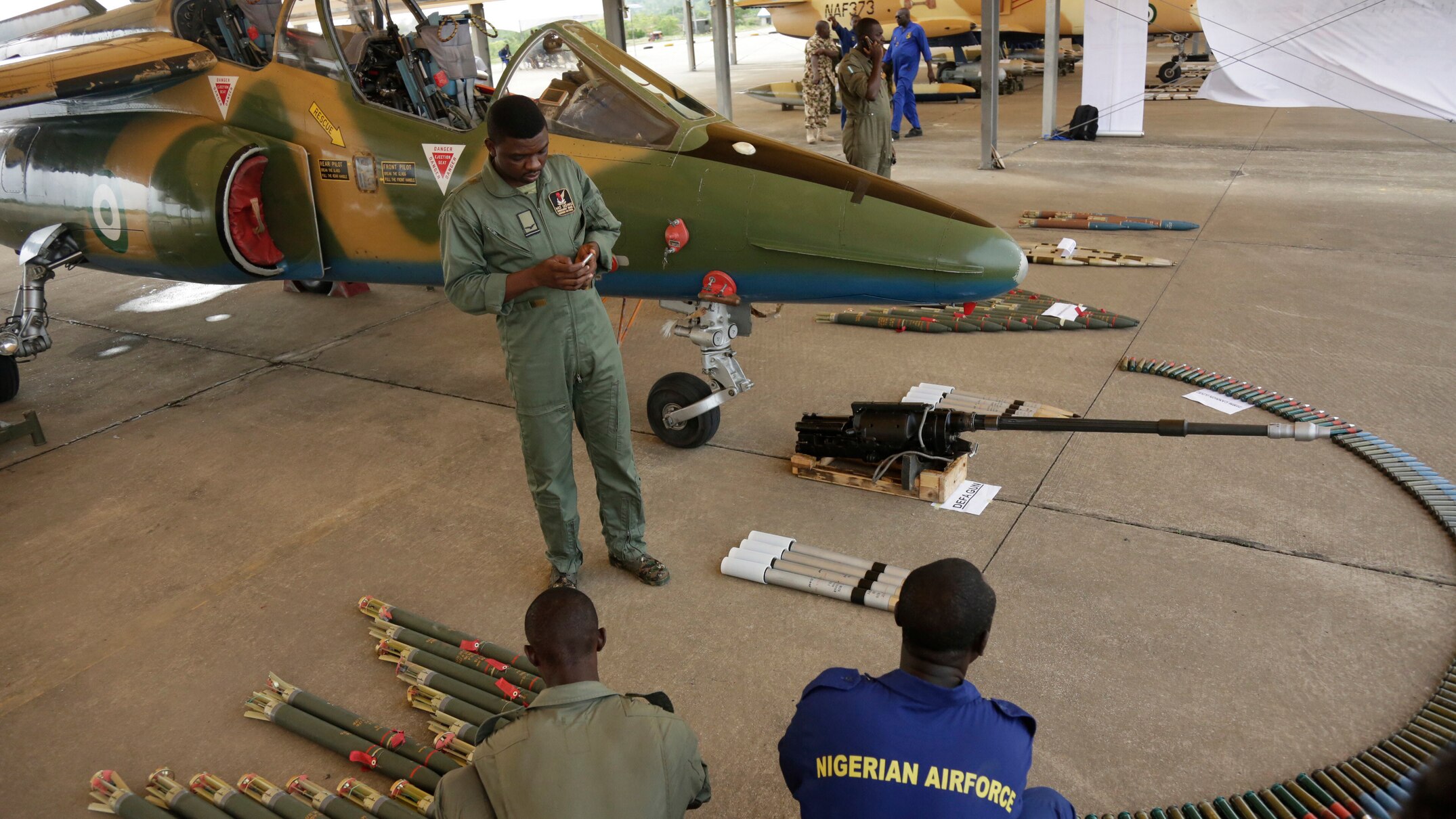
The Nigerian Air Force has since stated that its Civilian Harm Accident and Investigation Cell will immediately proceed to the location for a fact-finding mission. Earlier, the military claimed it had successfully targeted and killed Boko Haram militants in the area.
Amnesty International reported that survivors described the attack as devastating, with at least 100 people killed in the strike. The organization called for an independent investigation into the incident, highlighting concerns about the military’s tendency to label civilian casualties as “bandits.”
Isa Sanusi, Amnesty International’s Nigeria director, emphasized that the victims included children and that the organization had spoken with both victims and hospital officials. He stressed the importance of transparency and accountability in such cases.
Discrepancies in Reported Death Toll
Different sources provided varying accounts of the death toll. A local councillor, Lawan Zanna Nur Geidam, told Reuters that more than 200 people died in the “devastating incident” at Jilli market. However, local officials confirmed there had been a misfire but did not provide further details.
Such incidents are not uncommon in Nigeria, where the military frequently conducts air raids against armed groups operating in remote forest areas. Since 2017, at least 500 civilians have died in similar misfires, according to an AP tally of reported deaths.
The north-eastern region of Nigeria has been affected by a jihadi insurgency for over a decade. The large, remote market in question is known to be used by Boko Haram militants to purchase food supplies.
Eyewitness Accounts
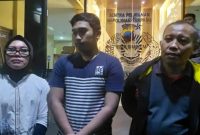
Ahmed Ali, a 43-year-old market vendor, was injured in the blast. He described the chaos following the attack: “I became so scared and attempted to run away, but a friend dragged me and we all lay on the ground,” he said from the hospital.
Abdulmumin Bulama, a member of a civilian security group working with the Nigerian military in the north-east, stated that there was intelligence indicating Boko Haram terrorists had gathered close to the market and were planning an attack on nearby communities. He claimed the information was shared, and the air force acted based on credible intelligence.
The Yobe government released a statement saying that a military strike was targeting a stronghold of the Boko Haram jihadi group in the area and that “some people … who went to the Jilli weekly market were affected.” The Yobe State Emergency Management Agency also acknowledged the incident and dispatched response teams to the area.
Military Claims and Ongoing Conflict
The Nigerian military issued a statement claiming it conducted a successful strike on a “terrorist enclave and logistics hub” belonging to jihadis in the area, killing scores of them as they rode on motorcycles. It did not provide details about a possible misfire but noted that motorcycles remain prohibited in conflict hotspots and “any such movements in restricted areas are therefore treated with the utmost seriousness.”
Nigeria, Africa’s most populous country, is facing a complex security crisis, particularly in the north, where a decade-long insurgency and several armed groups that kidnap for ransom are active. Among the most prominent Islamic militant groups are Boko Haram and its breakaway faction, which is affiliated with the Islamic State group and known as Islamic State West Africa Province.
There is also the IS-linked Lakurawa group operating in communities in the north-western part of the country that borders Niger Republic.