
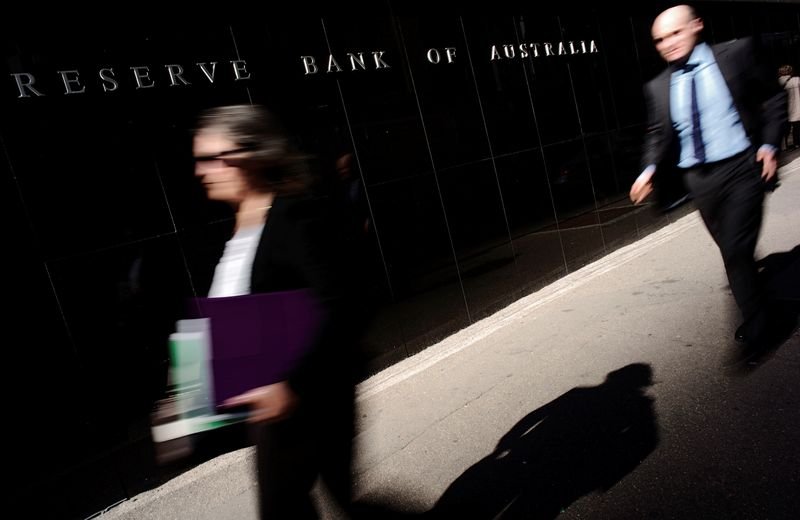
The Reserve Bank of Australia (RBA) has decided to maintain the cash rate at 3.60%, a decision widely anticipated by financial markets. This announcement came after the final policy meeting of the year, where the central bank acknowledged potential upside risks to inflation but conveyed a message suggesting no immediate urgency to tighten monetary policy further.
The RBA highlighted that domestic demand has shown unexpected strength, which could contribute to capacity pressures within the economy. This observation adds complexity to the central bank’s assessment of the economic outlook.
Following the announcement, the Australian dollar experienced minimal initial movement. However, it began to appreciate after RBA Governor Michele Bullock dismissed the possibility of further rate cuts during a subsequent press conference. Bullock emphasized that the persistence of inflation would raise concerns about the current policy stance.
As a result, the Australian dollar saw a slight increase to $0.6639, while yields on three-year government bonds also edged upwards.
The RBA board stated that “the recent data suggest the risks to inflation have tilted to the upside, but it will take a little longer to assess the persistence of inflationary pressures.” This cautious language indicates a data-dependent approach, where the central bank will closely monitor incoming economic indicators before making any further policy adjustments.
The board also acknowledged “uncertainties about the outlook for domestic economic activity and inflation and the extent to which monetary policy remains restrictive.” This statement underscores the inherent challenges in forecasting economic conditions and the potential need for flexibility in policy implementation.
RBA’s Extended Pause?
Throughout the year, the RBA has implemented three interest rate cuts. However, inflation has resurfaced as a concern, increasing for four consecutive months to reach 3.8% in October. The trimmed mean measure of core inflation, a key indicator closely watched by the RBA, stood at 3.3%, exceeding the midpoint of the central bank’s target range of 2%-3%.
The board expressed some reservations about the reliability of the new monthly CPI data in providing a definitive signal.
The statement further noted that “the data do suggest some signs of a more broadly based pick-up in inflation, part of which may be persistent and will bear close monitoring.” This suggests the RBA is particularly vigilant about the potential for a sustained increase in inflationary pressures.
Harry Murphy Cruise, Head of Economic Research at Oxford Economics in Australia, believes that further rate cuts are unlikely in the coming year. However, he also noted that “the board’s tone was calmer than expected,” suggesting a less hawkish stance than some market participants had anticipated.
Cruise further added that “explaining away part of the inflation surge suggests the board is in no rush to hike.” This interpretation suggests that the RBA is not overly concerned about the recent increase in inflation and is willing to wait for more data before taking further action.
Other analysts have suggested that markets may have been prematurely pricing in near-term policy tightening.
Tony Sycamore, Market Analyst at IG in Sydney, commented that “This isn’t the statement of a central bank with one hand hovering on the rate hike button.” This statement reinforces the view that the RBA is not currently inclined to raise interest rates in the immediate future.
The Australian economy has shown signs of strength, growing at its fastest pace in two years during the last quarter. This growth has been driven by increased spending from businesses, governments, and consumers. The labor market has also remained robust, with the unemployment rate declining to 4.3% in October from 4.5% previously.
Consumer sentiment, which had been subdued for an extended period, has shown signs of improvement, boosting the outlook for household spending. Furthermore, home prices have reached new record highs, home loan growth has accelerated, and strong stock markets suggest that financial conditions may be less restrictive than previously believed.
ANZ analysts stated in a note that “Our views on the outlook for interest rates are unchanged given the nature of today’s post-meeting statement.”
They added, “We expect the cash rate to remain at 3.60% for an extended period.” This forecast suggests that ANZ anticipates the RBA will maintain its current policy stance for the foreseeable future.
Key Takeaways:
- The RBA has held the cash rate steady at 3.60%.
- Upside risks to inflation are acknowledged, but the RBA is in no hurry to tighten policy.
- Domestic demand has been stronger than expected, potentially adding to capacity pressures.
- The Australian dollar initially showed little reaction but subsequently strengthened.
- Analysts expect the cash rate to remain at 3.60% for an extended period.

