
Rare Visitors: Giant Sea Turtles Make Astonishing Appearance on Scottish Coast
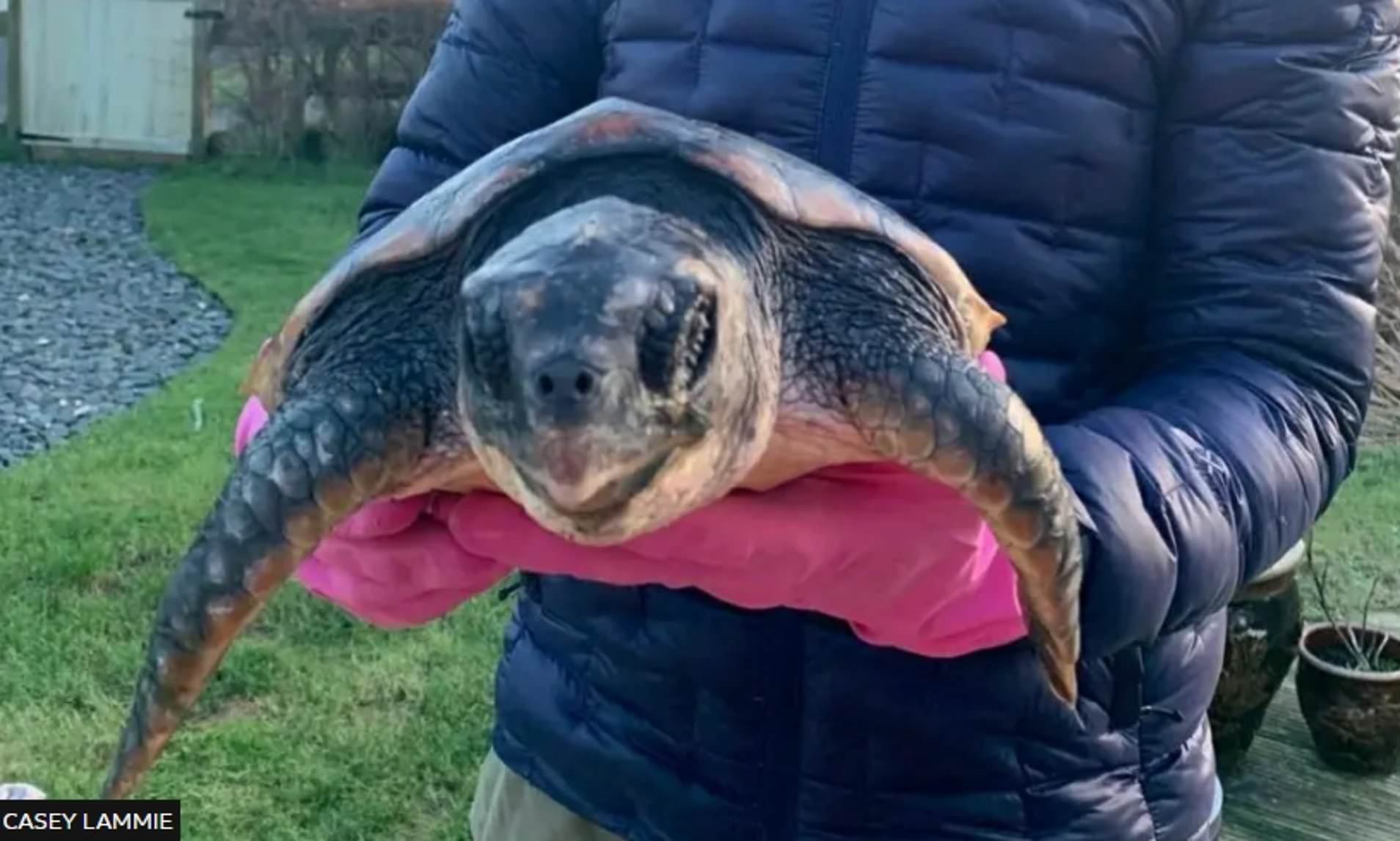
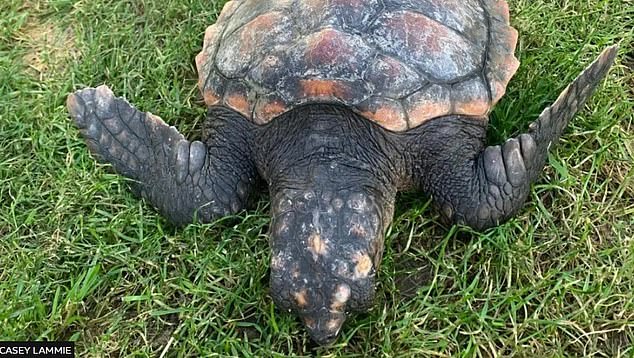
A remarkable and unexpected event has unfolded on Scotland’s southern shores this week, with the rare sighting of two giant sea turtles, species typically found basking in the warmer climes off the coast of South America. These magnificent marine reptiles, loggerhead turtles, were discovered washed ashore in the Solway Firth and are now under the dedicated care of the Scottish SPCA’s National Wildlife Centre in Clackmannanshire.
Loggerhead turtles, distinguished as the largest of all hard-shelled turtles, are classified as a vulnerable species. Their natural habitat lies in temperate and tropical regions, and they generally steer clear of the cooler Atlantic waters that fringe the Scottish coastline. The presence of these two individuals so far north is considered highly unusual, with experts suggesting they likely became disoriented and drifted off their usual migratory path, inadvertently swept away from the warming influence of the Gulf Stream.
The discovery occurred in stages, with the two turtles found an impressive 11 miles apart. The first was found stranded at Brighouse Bay, near Kirkcudbright, on Tuesday. Two days later, on Thursday, the second turtle was recovered at Southerness. Initial reports described the second turtle as being in a state of significant lethargy and showing little responsiveness, underscoring the urgency of their rescue.
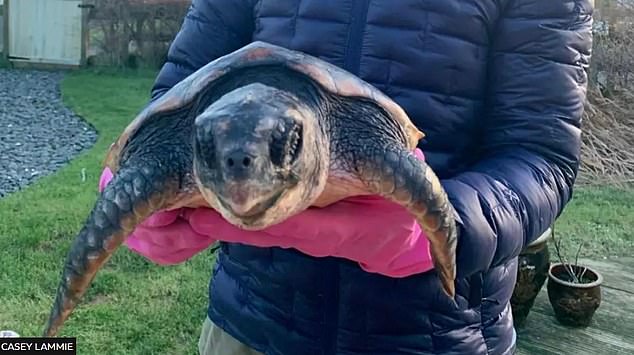
At the National Wildlife Centre, both loggerhead turtles are currently receiving intensive “supportive care.” The primary focus for the veterinary and animal care teams is to stabilise their condition. A critical aspect of this care involves gradually raising their core body temperatures, as the cold Scottish waters have understandably left them hypothermic.
A spokesperson for the Scottish SPCA highlighted the challenging environment: “Unsurprisingly in Scottish waters, they are quite low in temperature.” While preliminary physical examinations suggest no immediate severe injuries, the veterinary team is awaiting the results of further tests to gain a comprehensive understanding of their health status. “Physically they both seem okay but we will know more when results come back,” the spokesperson stated.
The rarity of such an event is further emphasized by data from marine conservation organisations. The Marine Conservation Society, for instance, reported only a single sighting of a loggerhead turtle in UK waters between November 2024 and the previous month, which occurred in the Outer Hebrides.
Calum Duncan, Head of Policy and Advocacy at the Marine Conservation Society, commented on the significance of these sightings. He described it as a “rare event” for loggerhead turtles to be found on Scottish shores. He elaborated that while these “tropical, warm-water creatures don’t live in Scotland’s cold seas and only arrive occasionally, usually swept north by currents or strong winds and are usually cold-stunned.” This explanation aligns with the current condition of the two turtles found in the Solway Firth.
The rescue and rehabilitation of these loggerhead turtles serve as a poignant reminder of the interconnectedness of marine ecosystems and the impact of ocean currents on wildlife distribution. Their journey to Scotland, though perilous, has brought attention to the conservation needs of these magnificent animals and the vital work undertaken by organisations like the Scottish SPCA in responding to such extraordinary wildlife emergencies.

The public’s interest in marine conservation issues has been piqued by a series of recent events, including:
- The concerns raised by marine experts regarding the survival prospects of loggerhead turtles found stranded on British beaches.
- A dramatic rescue in a Seattle park, highlighting the potential dangers posed by invasive snapping turtles.
- A troubling increase in dolphin strandings along Scottish coastlines, with an alarming 800% rise reported.
- The positive conservation story of the majestic green sea turtle, which has seen its population numbers increase by an astonishing 28%.
- The remarkable discovery of the enormous and elusive Haliphron atlanticus, a mysterious deep-sea dweller, in Scottish waters.
