Rising Air Fares and Industry Challenges
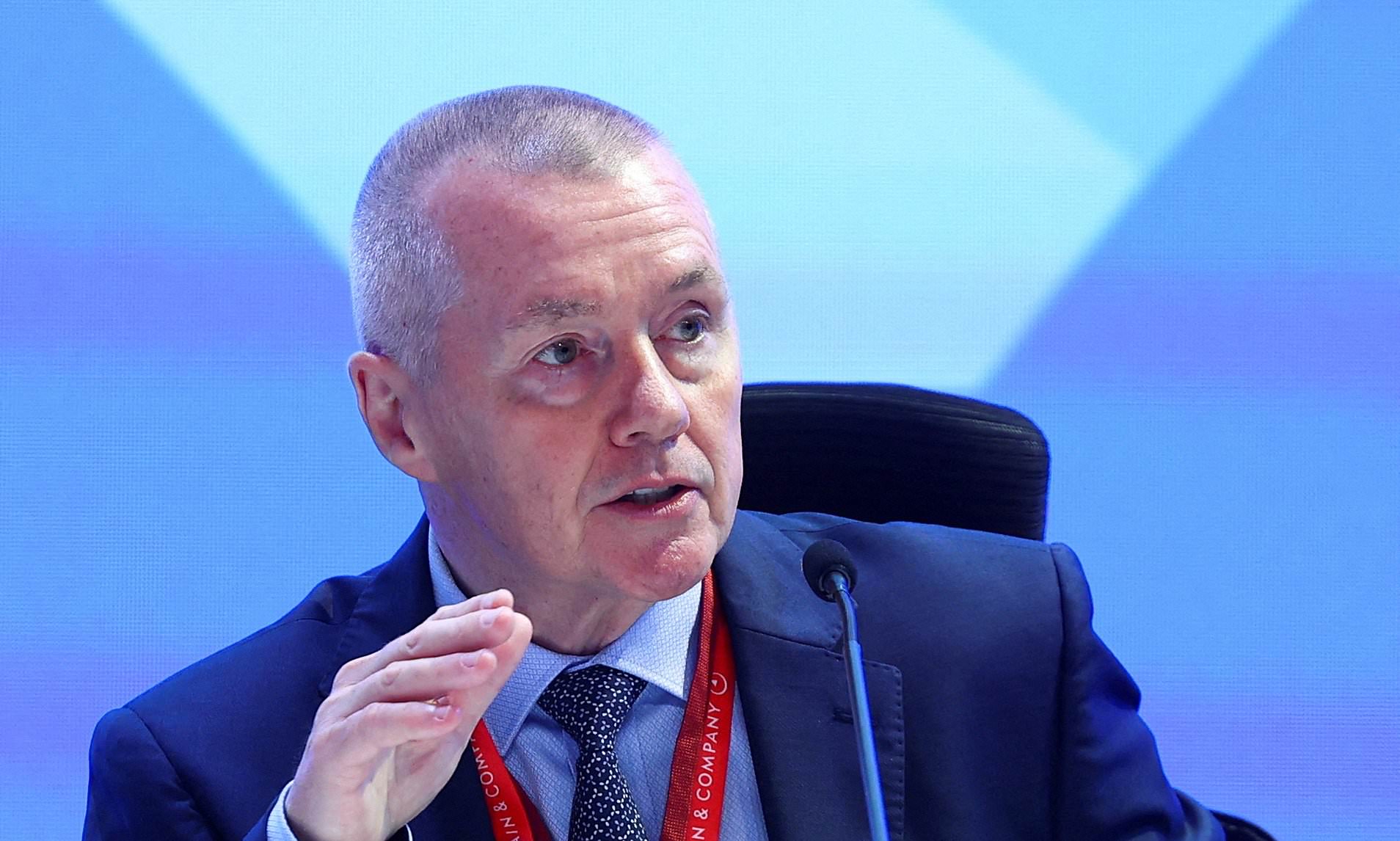
The aviation industry is facing a significant crisis, with air fares soaring as the ongoing conflict in Iran is being compared to the post-9/11 era. A senior figure in the global aviation sector, Willie Walsh, who previously led British Airways, highlighted the severity of the situation during an industry summit in Brussels.
Walsh noted that transatlantic flights between the US and UK are expected to be the most affected. He pointed out that while the current crisis is not as severe as the one during the Covid-19 pandemic, it bears similarities to the challenges faced after the 9/11 attacks. Following that tragic event, demand for transatlantic travel dropped significantly and took time to recover.
Unlike UK airlines, US carriers do not typically purchase jet fuel in bulk. As a result, the rising costs due to the conflict are quickly passed on to passengers. Walsh explained that this means non-US competitors will likely match any price increases, leading to higher fares across the board.
He emphasized that airlines are more inclined to raise prices rather than cancel flights to manage their costs. Walsh stated that reducing capacity is not the immediate solution, as airlines aim to continue operations without accumulating debt. This approach presents a challenge, especially as bookings remain stable but travelers are shifting their preferences.
Travelers are increasingly choosing destinations in Western and Southern Europe, as well as North Africa, over Eastern European locations like Cyprus or Turkey, which are closer to the conflict zone. The decision to cancel flights or increase fares depends largely on how well airlines have hedged their fuel costs.
Hedging involves purchasing fuel at a set price in advance. Some airlines bought months’ worth of fuel when oil prices were low, around $67 per barrel. However, as these reserves diminish, airlines face the dilemma of either passing on higher costs or considering flight cancellations.
Several UK airlines are well-hedged, meaning that short-haul carriers such as easyJet and Ryanair may experience fare increases later. However, if the conflict persists for several months, fare hikes are expected to become widespread by summer.
The price of jet fuel in Europe has reached a record high, nearly doubling since the conflict began. There are growing concerns about potential shortages if Iran continues its blockade of the Strait of Hormuz, which could affect Western oil supplies.
Government sources indicate that ministers are preparing contingency plans to address possible jet fuel shortages. If the conflict continues, supply constraints could threaten travel plans if airlines are forced to ration fuel.
Airlines Taking Action
SAS, Scandinavia’s largest airline, has become the first major European carrier to cancel flights due to surging fuel prices linked to the Iran war. The airline announced on Tuesday that it is scaling back flights because of the “sharp and sudden increase” in jet fuel costs.
Air France-KLM and SAS have already announced that they will need to raise ticket prices due to the rising cost of jet fuel. Finnair has also warned that jet fuel supplies may run out if the Strait of Hormuz remains effectively closed.
There are fears that more airlines across Europe and the UK may be forced to take similar actions if the conflict continues. A spokesperson from the Department for Transport stated that they are working with British carriers to support their operations amid the Middle East conflict and to minimize the impact on the industry.
Conclusion
As the aviation industry navigates this challenging period, the focus remains on managing rising costs and ensuring continued operations. The decisions made by airlines will have far-reaching implications for travelers and the broader economy. With the situation evolving rapidly, the industry must remain adaptable to meet the demands of a changing landscape.