
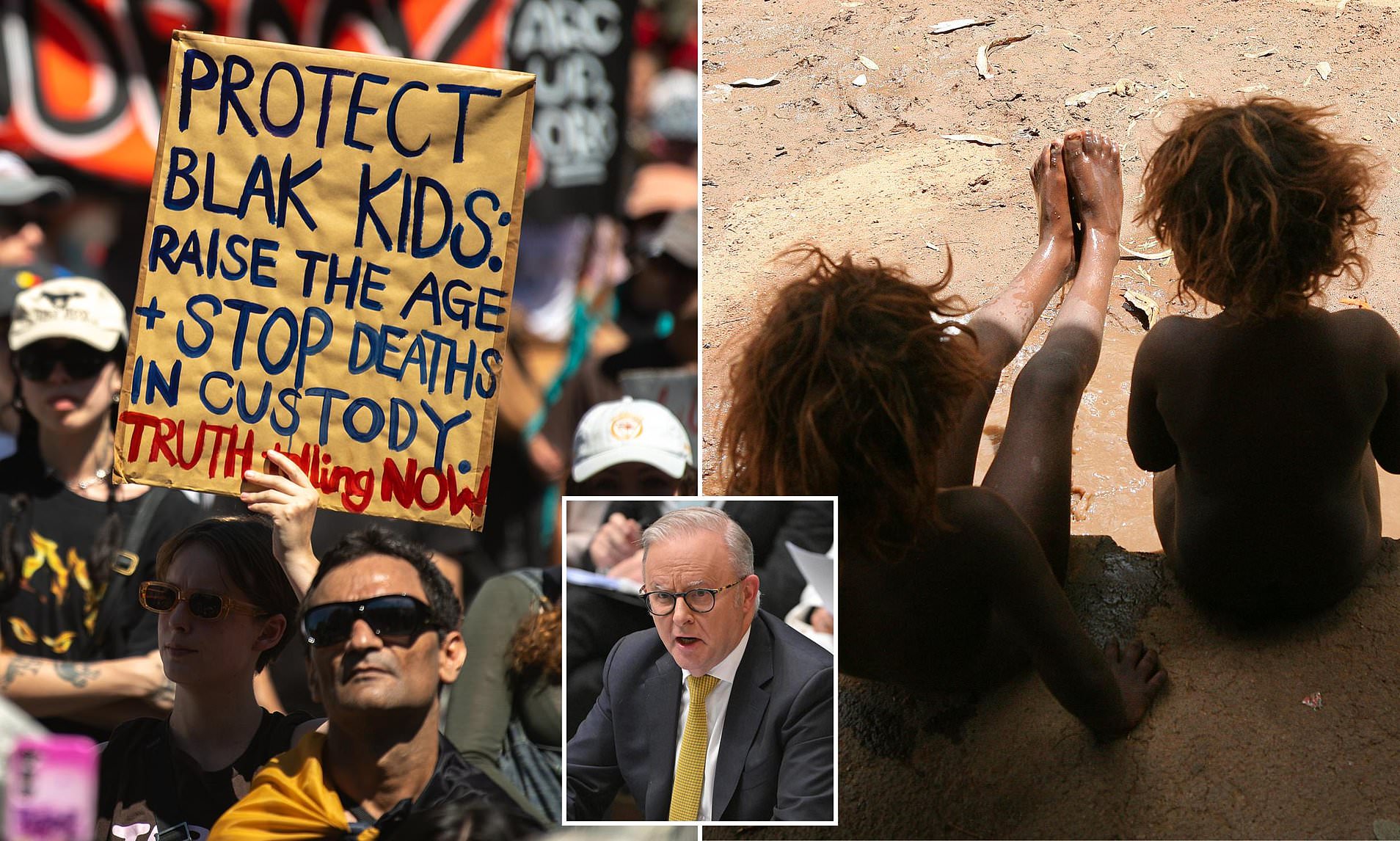
Government Renews Commitment to Closing the Gap with Significant Funding Boost
Prime Minister Anthony Albanese has reaffirmed the Australian government’s unwavering commitment to the National Agreement on Closing the Gap, announcing a substantial new funding package aimed at accelerating progress towards the agreement’s ambitious socio-economic targets for Aboriginal and Torres Strait Islander peoples. The plan, a cornerstone of national reconciliation, seeks to dramatically reduce disparities across 19 key areas by 2031, encompassing everything from life expectancy and educational attainment to employment opportunities and housing security.
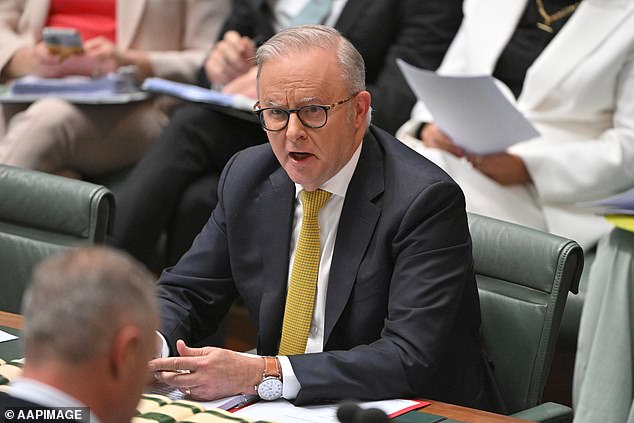
With less than five years remaining to achieve these critical benchmarks, the Prime Minister has emphatically stated that “failure is not an option.” He plans to address Parliament, underscoring the government’s resolve and dismissing any notion of complacency.
Key Funding Initiatives and Program Expansions
The freshly announced funding package is multifaceted, targeting several crucial areas:
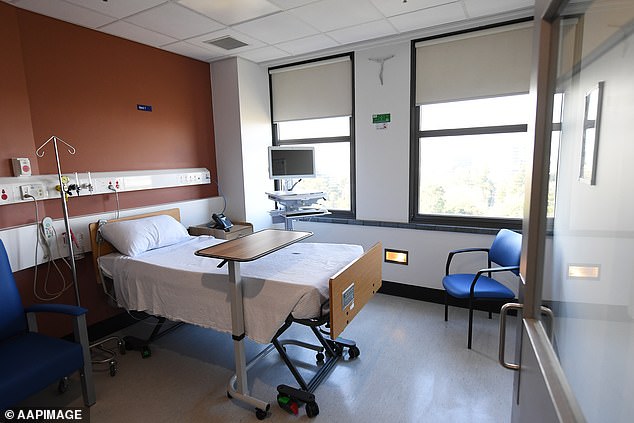
Health Services Upgrade: A significant portion of the investment, $144 million, will be channelled into upgrading over 100 health services. This includes crucial maternal and mental health facilities, as well as essential repairs and enhancements for community-controlled health clinics and associated buildings. Many of these vital facilities have reportedly languished without new investment for decades.


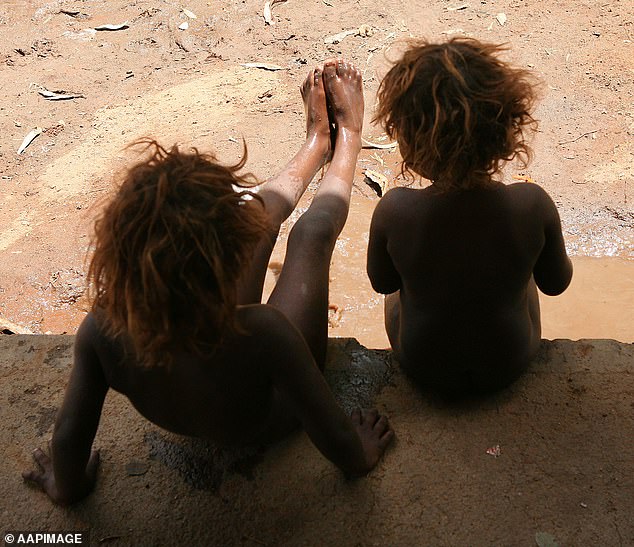
‘We must guard against talk of failure, because talk of failure dismisses the aspirations and achievements of Indigenous Australians,’ the Prime Minister is expected to state. ‘I make this clear today: I am not contemplating failure. Our government is not contemplating failure.’Reducing the Cost of Essential Goods: To address the significant price disparities faced by remote communities, the government is expanding its program to lower the cost of essential items. An additional $27.4 million has been allocated to increase the number of remote stores eligible for subsidies on 30 key everyday items. This initiative aims to bring prices in line with urban centres for staples such as flour, cereal, pasta, nappies, and toothpaste. The commitment is to guarantee these reduced prices are accessible at all 225 remote stores across Australia.
Boosting Remote Employment: A major focus is also placed on economic development and job creation in remote regions. The Remote Jobs and Economic Development program will receive a substantial $299 million investment, with the ambitious goal of doubling the number of jobs to over 1,500 by 2027. The vision extends further, with plans to double this figure again by 2030, creating a total of 6,000 new jobs. These roles are intended to offer “real wages and bringing new pride and purpose to people’s lives.”
Addressing Specific Needs and Challenges
Beyond these broad initiatives, the funding package also includes targeted investments in critical support services:
Food Security: An allocation of $32.7 million will be directed towards improving food storage infrastructure in remote areas, enabling an additional 75 stores to better manage supplies and cope with the impacts of extreme weather events.

Maternal and Child Health: $44.4 million has been earmarked for enhancements to maternal care programs, supporting the health and well-being of mothers and newborns.
Accommodation Support: $48.3 million is designated for the provision of short-term accommodation, a critical need in many remote communities.
Mental Health and Violence Prevention: The vital mental health support service 13YARN will receive $13.9 million. This funding will enable the extension of their operating hours and the establishment of a new text message service, providing crucial support for Indigenous Australians experiencing violence.
Ongoing Scrutiny and Calls for Urgent Action
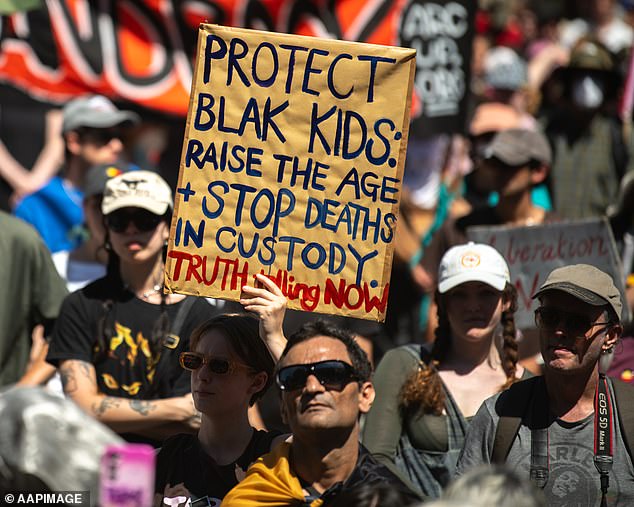
While the government is highlighting its renewed commitment and significant financial outlay, some stakeholders continue to voice concerns. Earlier last year, Senator Lidia Thorpe cautioned that without more urgent and comprehensive action from all levels of government, there was a real risk of “losing another generation” of First Nations people to the criminal justice system. At that time, data indicated that Indigenous incarceration rates were escalating, and only a handful of the 19 Closing the Gap targets were on track for achievement.
The Shadow Minister for Indigenous Australians, Kerrynne Liddle, has also expressed reservations, suggesting that the current government is not prioritising the most critical issues. She pointed to ongoing worsening of Closing the Gap targets and a concerning lack of data regarding family violence, which hinders the assessment of progress.
A Message of Solidarity and Condemnation of Hate
The Prime Minister’s announcements come in the wake of a disturbing incident in Perth on January 26th, where a device, allegedly a bomb, was thrown at a rally but failed to detonate. In his address, Mr. Albanese is expected to convey a strong message of solidarity with Indigenous Australians, stating, “I want to reaffirm what I said here last week, on behalf of the government and the people of Australia, we see you, we stand with you.” He explicitly condemned the alleged act as motivated by “white supremacy ideology,” highlighting the underlying racism and hatred involved. The government’s stance is clear: it stands with Indigenous communities against such acts of violence and bigotry.


