
Art Exhibition Sparks Outrage as Critics Accuse Police of Misinterpreting Antisemitic Imagery
A controversial art exhibition in Margate, accused of depicting Jewish people as “blood-soaked, baby-eating demons,” has ignited a fierce debate after police declared no laws were broken. The decision by Kent Police has drawn sharp condemnation from peers and anti-racism advocates, who argue the force has fundamentally misunderstood the nature of the offensive content.
Lord Ian Austin, an independent member of the House of Lords, has strongly criticised Kent Police’s handling of the situation. He labelled the exhibition, titled “Drawings Against Genocide” by artist Matthew Collings and staged at Joseph Wales Studios, as a “shocking display of grotesque anti-Jewish hatred.” Lord Austin expressed alarm that the police considered the artwork “perfectly fine” given its graphic and disturbing imagery.
A Gallery of Grotesque Depictions
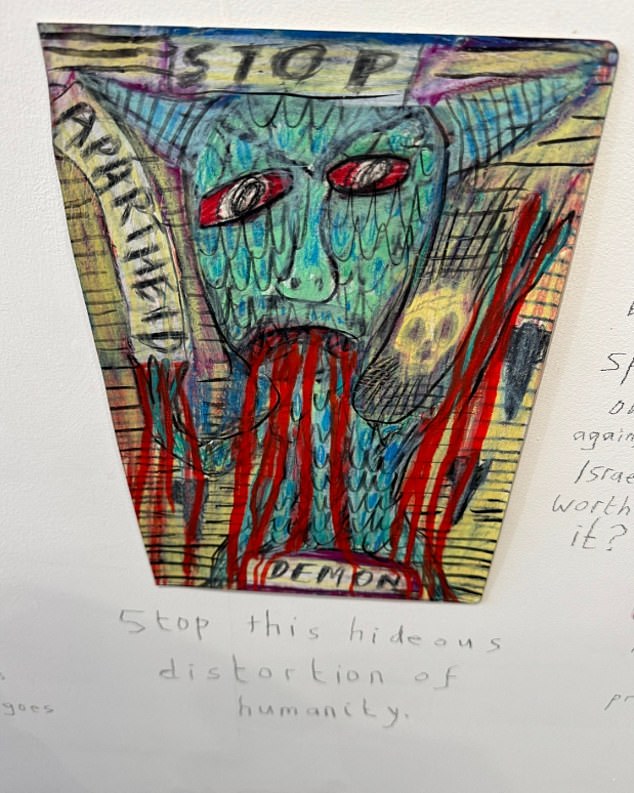
The exhibition features a series of childlike drawings that have deeply offended many. Among the controversial pieces are:
- IDF soldiers: Depictions of grinning Israeli Defence Force soldiers standing over skulls and blood.
- Blood-soaked flag: An image showing figures holding a blood-soaked Star of David flag.
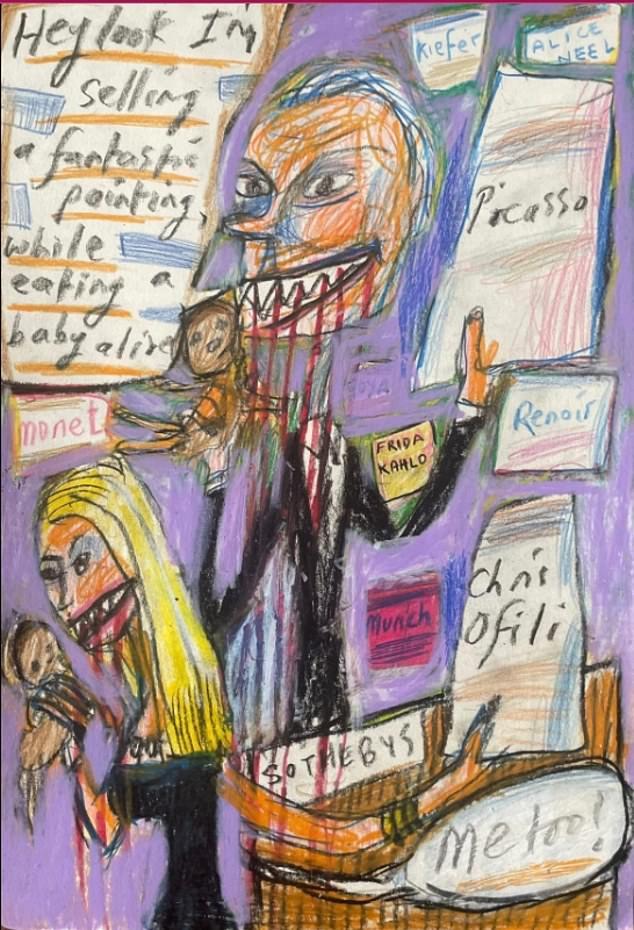
- Baby-eating auctioneers: A particularly disturbing artwork portraying two auctioneers, linked to Sotheby’s (owned by French-Israeli billionaire Patrick Drahi), devouring babies with blood dripping from their mouths.
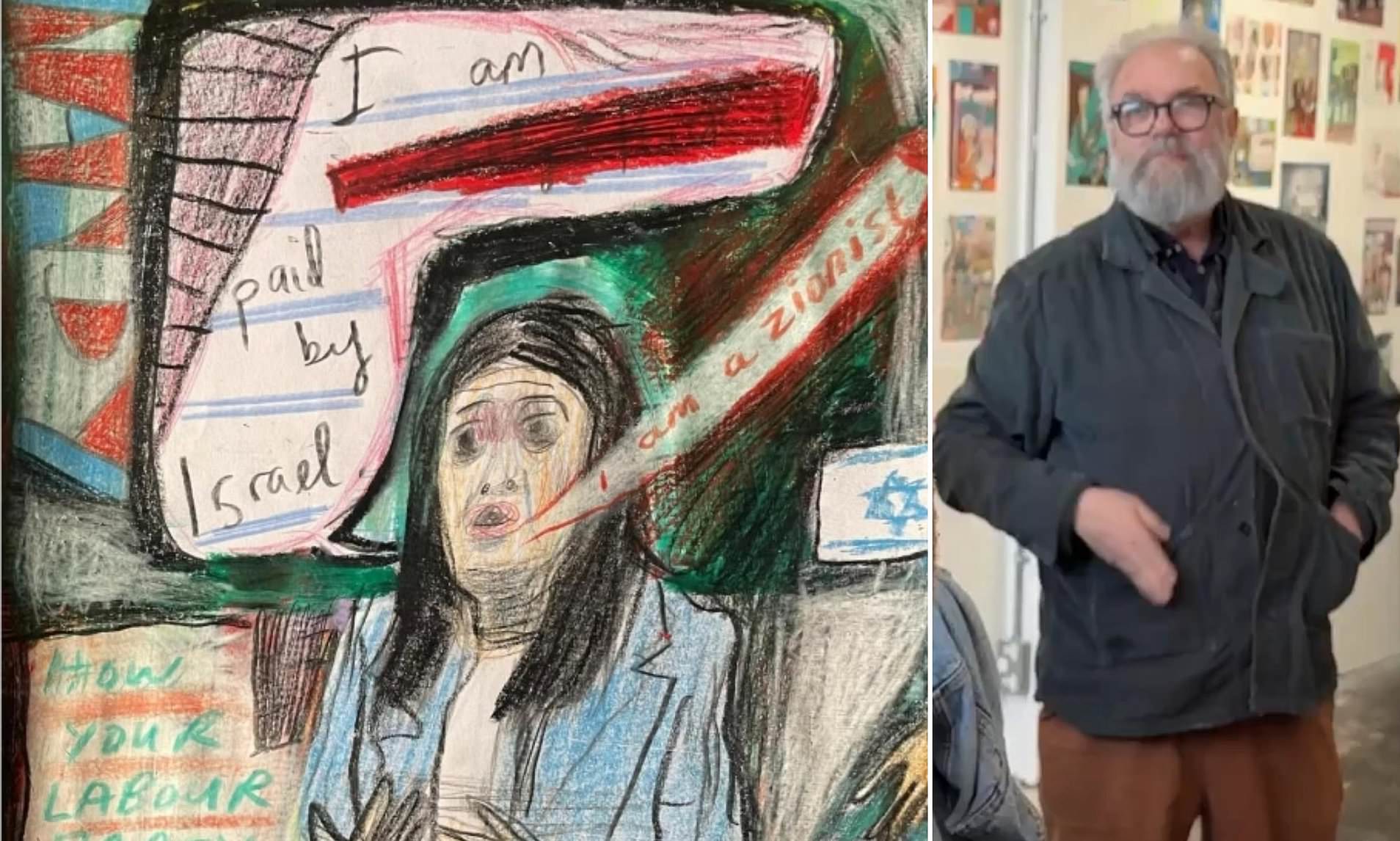
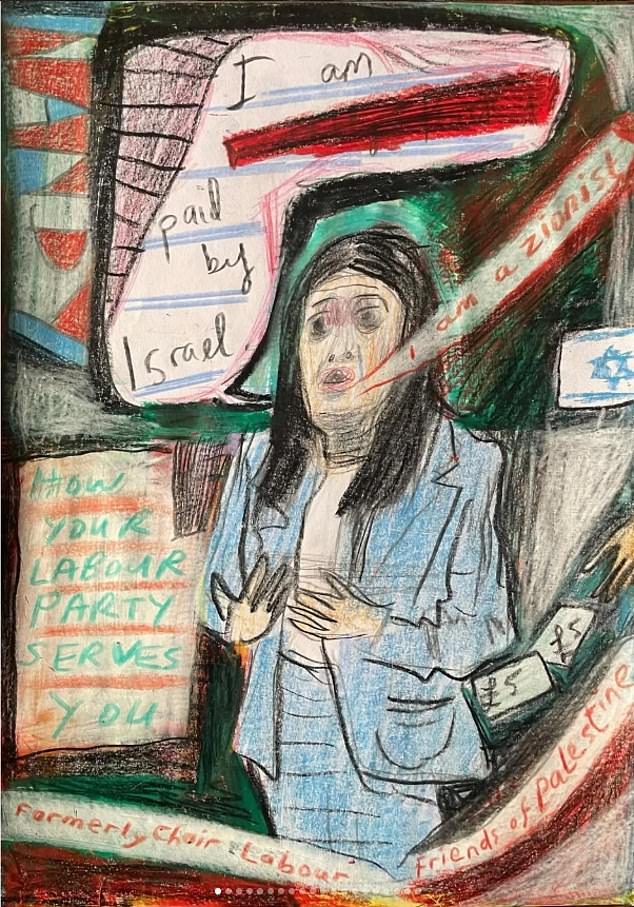
- Politician and the Israeli flag: A work featuring politician Lisa Nandy alongside cash and an Israeli flag, with speech bubbles stating: “I am a Zionist” and “I am paid by Israel.”
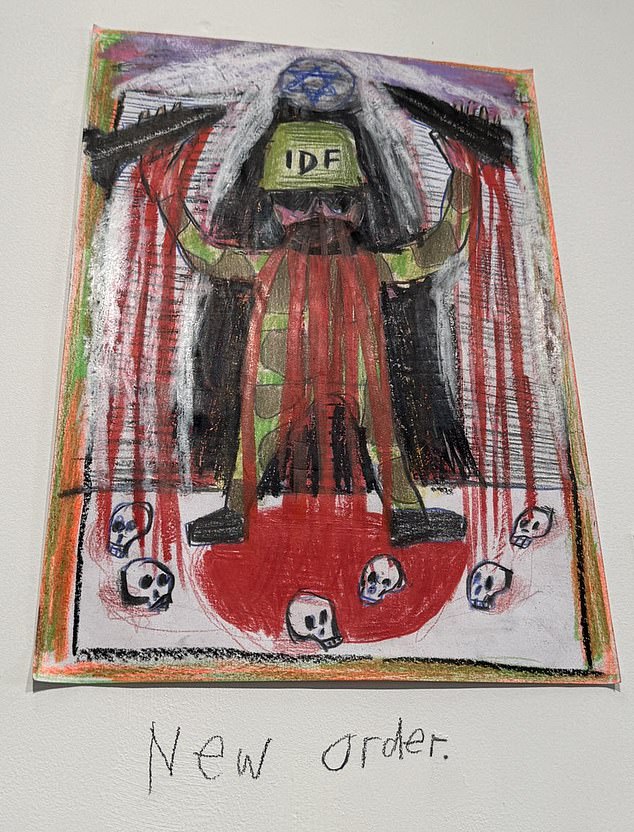
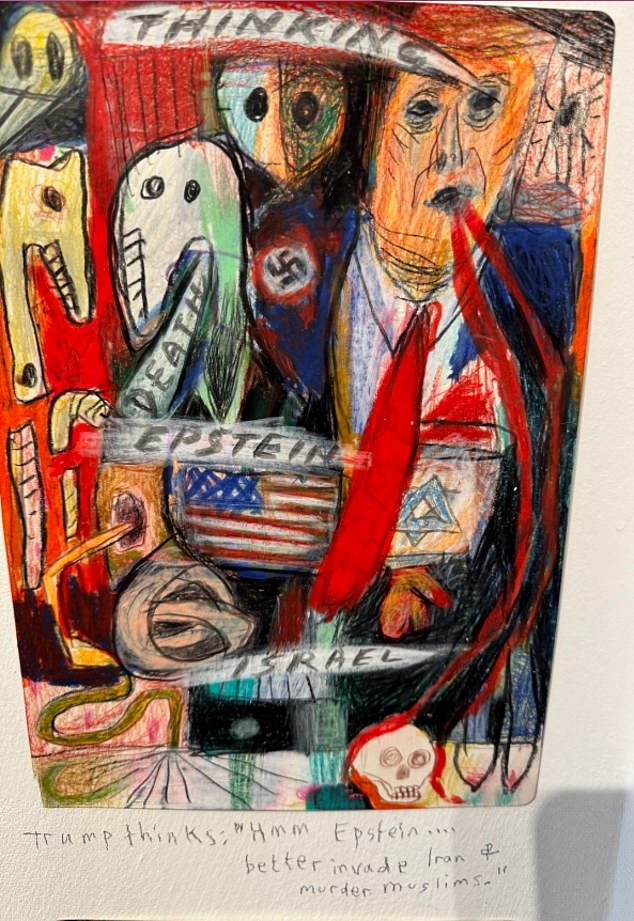
These artworks have been widely condemned for drawing on deeply offensive antisemitic stereotypes. Actress Tracy-Ann Oberman described the images as “disgusting,” historian Simon Schama called them “appalling,” and politician and journalist Lord Michael Gove stated the exhibition was “truly terrible.” The controversy has been significant enough for Thanet District Council to distance itself from the event and issue an apology for “any distress or offence that has been caused.”
Police Stance: “No Laws Broken”
Despite the widespread outrage and the explicit nature of the imagery, Kent Police concluded that the artwork “did not meet the legal threshold” for a criminal offence. Officers stated they found no evidence of content that was “directly abusive or insulting toward Jewish people.”
In a formal response to a complaint, seen by the Daily Mail, Kent Police elaborated on their decision. The force stated there was “no indication of an intent by the artist to stir up racial or religious hatred.” They also considered whether the artwork met the criteria for a non-crime hate incident but found it did not reach that threshold either.
The police justified their stance by explaining that the content was considered “political in nature, focuses on a nation state rather than a protected group, and is part of artistic expression, which is afforded protection under freedom of expression laws.” They added that there was “no information to suggest hostility toward Jewish people as a group, nor any indication of risk of harm.”
Critics Decry “Misunderstanding” and Call for Action
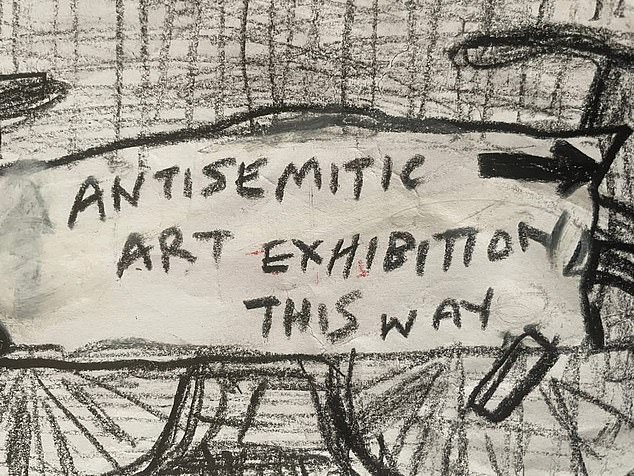
Lord Austin vehemently disagreed with the police’s assessment. He told the Daily Mail that the police’s position demonstrated a “quite remarkable Keystone Cops level of misunderstanding.” He highlighted the fact that a poster at the exhibition entrance explicitly stated: “Antisemitic art exhibition this way,” questioning how this could have been overlooked.
“These child-like drawings go far beyond legitimate criticism of the government of Israel,” Lord Austin argued. “They depict British Jews as evil baby killers and draw upon well-known tropes about Jews drinking blood and secretly running the world. I can’t imagine for a second that police officers would come to the same conclusion about an art exhibition that so cruelly attacked any other race or religion.”
Alex Hearn from Labour Against Antisemitism echoed these concerns, stating, “That a police force believes depicting Jews as manipulating the media and eating babies alive are ‘criticism of Israel’, shows how urgently intervention is needed.” He added, “Blood-soaked hate scrawls about Jews featuring swastikas and ‘the lobby’ controlling the government are not legitimate politics. The police need to do better, and proper training is needed.”
Artist’s Defence and Personal Encounters
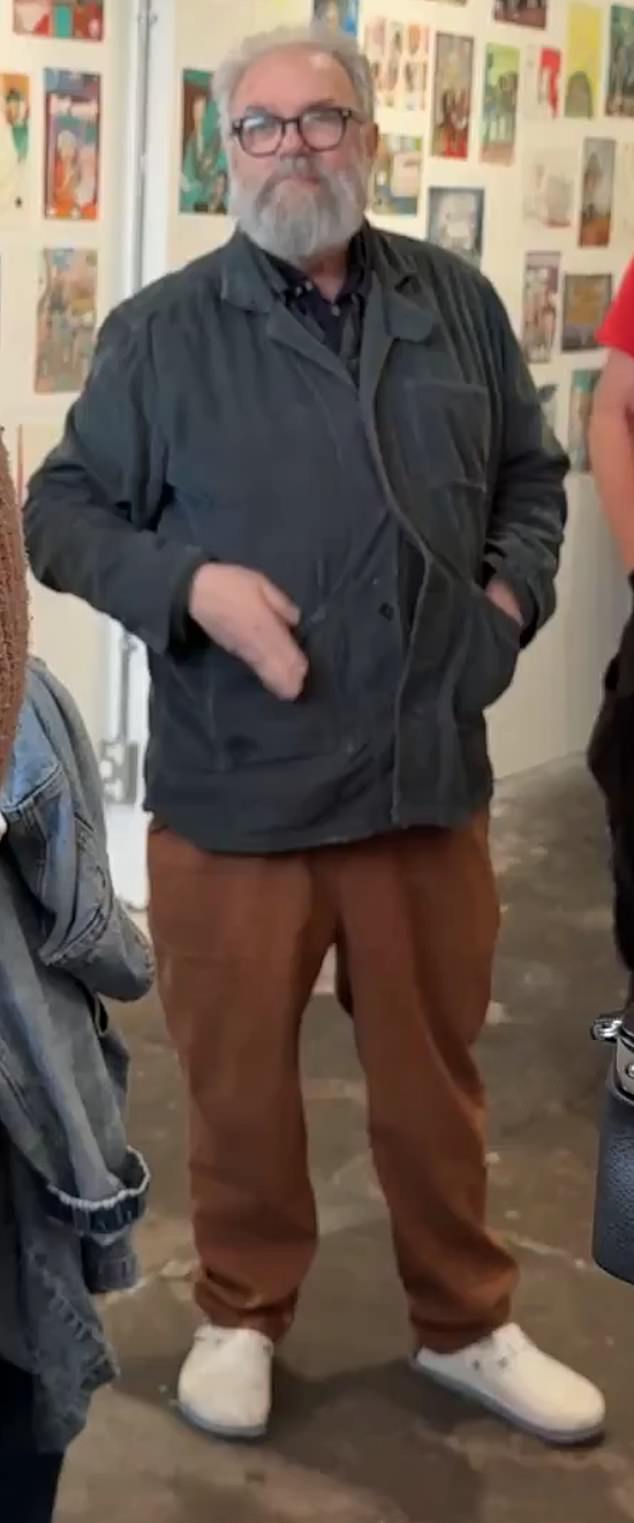
The artist, Matthew Collings, has defended his work, asserting that it is a commentary on Zionism rather than an antisemitic statement. However, critics have pointed to the exhibition’s entrance poster as evidence to the contrary.
The controversy also spilled into personal confrontations. Writer Zoe Strimpel recounted feeling “shaken” after allegedly being shouted at by the artist and surrounded by others when she challenged the artwork. She described Collings as “instantly aggressive” and accused him of dismissing her concerns as “Zionist nonsense” and “hasbarah talking points.” Ms. Strimpel reported that the situation escalated with other attendees booing and closing in on her, leading her to exclaim, “get the Jew out.” She later filed a formal complaint with the police following the incident, only to be informed that no criminal offences were identified.
Collings himself later dismissed the backlash online, labelling it “Zionist nonsense.” He also noted that another attendee in the room had stated, “I’m a Jew and I don’t feel unsafe,” suggesting that the artist’s personal interpretation or the views of some attendees did not align with the broader accusations of antisemitism. He further argued that the conflation of anti-Zionism with antisemitism was losing its effectiveness.
The incident has raised serious questions about the interpretation of artistic expression, the boundaries of free speech, and the responsibility of law enforcement in addressing potentially hateful content. The debate continues regarding whether the police’s interpretation of the artwork aligns with the community’s understanding of deeply ingrained antisemitic tropes.


