
Australia is a land teeming with life, and even in our bustling urban centres, a surprising array of native birds and wildlife are often our neighbours. The good news is that we can all take simple steps to encourage these creatures into our gardens, backyards, balconies, and shared community spaces, helping those already present to not just survive, but thrive. From thoughtfully selecting plants and providing essential water sources, to fostering pollinators and creating vital shelter, a few small changes can transform our domestic environments into havens for local fauna.
Understanding Your Local Wildlife
Before embarking on any garden makeovers, Lawrie Smith, leader of the Australian Native Plants Society’s garden design group, stresses the importance of knowing your surroundings. “You’ve got to understand what sort of wildlife is around you,” he advises. If you live in a well-planned suburb with ample green spaces, your garden can become an attractive destination for the wildlife already inhabiting the vicinity. This sentiment is echoed by Kylie Soanes, a conservation biologist from the University of Melbourne, who dedicates her work to preserving species within our cities and towns. She highlights a crucial point: “Our homes and gardens make up way more space than all of the dedicated nature reserves in a city.” This means our individual efforts can have a significant collective impact.
Cultivating the Right Habitat for Native Birds
When it comes to attracting native birds, it’s vital to distinguish between simply planting “Australian plants” and choosing those that are genuinely indigenous to your specific bioregion. As Mr. Smith explains, Australia’s vastness means diverse climatic and environmental conditions across its different regions. “Everybody says, ‘oh, let’s plant Australian plants’… but the problem is, Australia is a vast continent with so many different bioregions, all of them with very, very different climatic and environmental conditions.”
To ensure you’re making the best choices, Mr. Smith recommends exploring local national parks and nature reserves, and consulting with local chapters of organisations like the Australian Native Plant Society. “Every city has a different palette of plants that suit the gardens there,” he notes, “and because you’re choosing ones that are from the bioregion in which you live, that’s where the wildlife that you want to attract lives, and it depends on those plants.”
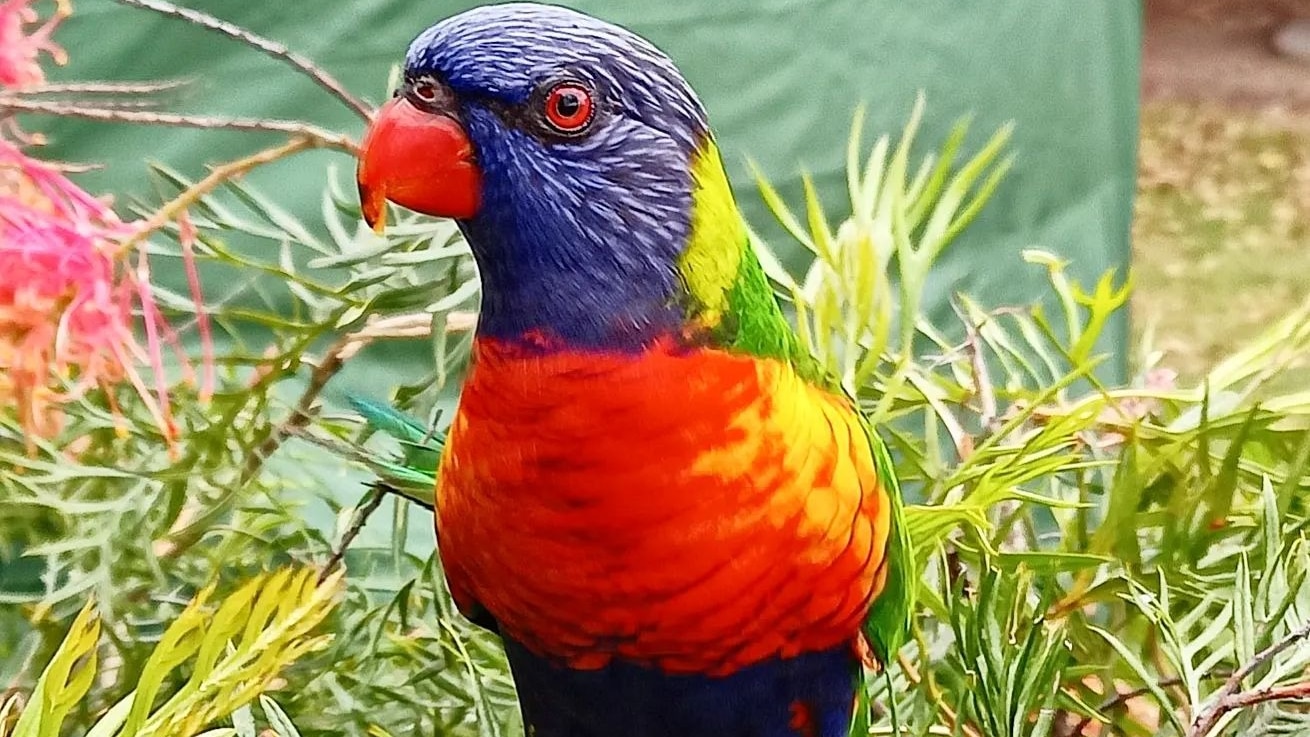
Dr. Soanes suggests that flowering native plants such as grevilleas and banksias are excellent for attracting a variety of birds, including nectar-feeding honeyeaters, cockatoos, rainbow lorikeets, and other parrots. However, for those hoping to attract smaller, more delicate songbirds, she offers valuable insight. “If you want to attract lots of different kinds of our colourful little song birds, having a shrub that is a little bit denser, a little bit more wiry, and maybe has smaller flowers can help provide shelter for those smaller birds that tend to get picked on by the great big nectar-eating birds,” she says. These denser shrubs can attract delightful species like fairy wrens and eastern spinebills, adding a vibrant presence to your garden.
Making Your Garden Welcoming for Other Wildlife
Beyond birds, you might also wish to create a sanctuary for reptiles like skinks, geckos, bearded dragons, and water dragons. Mr. Smith suggests that arranging hollowed-out logs and large rocks in a sunny spot within your garden can provide ideal basking and shelter areas. Furthermore, garden trimmings can serve a dual purpose. Chopped into small pieces and scattered as mulch, they create a natural, decaying layer that attracts a host of small insects, which in turn become a food source for lizards, frogs, and other ground-dwelling wildlife. “Chop up the prunings with a pair of clippers into small bits and just drop them in the garden underneath. It starts decaying immediately and continues to be a food resource for the wildlife,” he explains.
Dr. Soanes reassures us that you don’t need an expansive property to establish a “lizard lounge.” A small, dedicated corner with a collection of sticks and logs can suffice. “You might have one little corner that’s got lots of sticks and logs, and say, that’s somewhere where the lizards can bask in the sun and warm up in the morning,” she says. Similarly, frogs benefit from such arrangements, using logs and rocks for shelter when the sun becomes too intense, and emerging at other times of the day.
The Lifeline of Clean Water
Providing readily accessible water sources is an uncomplicated yet profoundly effective way to support local wildlife, especially during drier periods. Whether it’s a purpose-bought bird bath or a simple shallow dish placed on a pedestal or low to the ground, ensuring clean, fresh water is available, particularly in shaded areas of your garden or balcony, can make a significant difference. Dr. Soanes points out that birds struggle to regulate their body temperature in extreme heat and can suffer from heat stress. “If you notice that there’s a bit of a heat wave coming, popping a shallow dish under a shrub or in your garden, or somewhere in the shade where wildlife can easily and safely access it, can make all the difference.”
Small Spaces, Big Impact: Balconies and Courtyards
The notion that you need a large garden to attract wildlife is a myth. Even small shrubs in a courtyard or potted plants on a balcony can contribute to making your neighbourhood a more welcoming environment for native fauna. Dr. Soanes highlights that “there are lots of smaller creatures that use tiny pockets spread throughout an urban landscape as stepping stones or places to visit.”
You can create vibrant, miniature ecosystems in pots. Consider planting natives that flower at different times of the year to provide a continuous food source. Guidelines are readily available online for establishing miniature wildflower meadows in containers. Many native grasses also thrive in pots, as do smaller shrubs like grevilleas and other prickly varieties with small flowers. Mr. Smith notes that while large gardens are becoming a luxury, modern architecture is increasingly incorporating green walls and rooftop gardens. “You can do that using native plants,” he states, and adds a further benefit: “if well chosen, they have less water requirements – they need less than petunias and azaleas and those sorts of things, so that’s another benefit; you’re helping the environment by minimising the use of water, which is a finite resource.”


