California’s Political Chess Match: A MAGA Town Braces for a Progressive Congressman
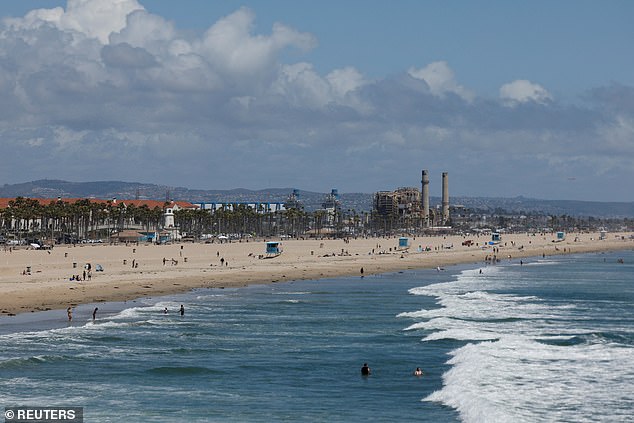
In a surprising twist born from the intricate dance of political redistricting, the staunchly Republican stronghold of Huntington Beach, California, affectionately known as “Surf City USA,” is poised to welcome a gay progressive congressman. This dramatic shift is a direct consequence of California’s strategic response to President Donald Trump’s own efforts to redraw congressional districts in favour of the Republican party.
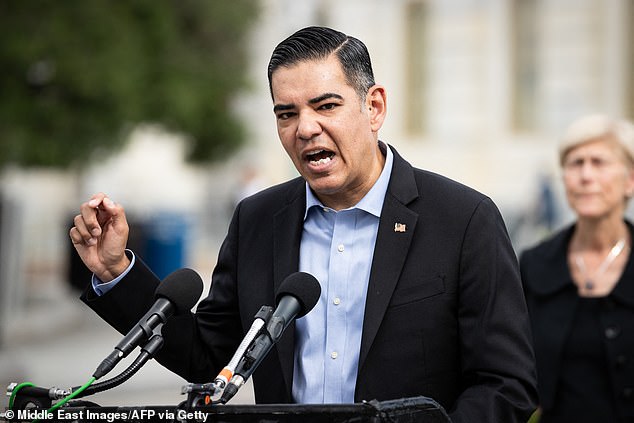
Robert Garcia, a 48-year-old two-term Democratic representative, finds himself in a position to represent Huntington Beach following the November elections. This outcome stems from the blue state’s calculated move to counter the President’s redistricting push, which aimed to carve out more favourable electoral landscapes for the GOP.
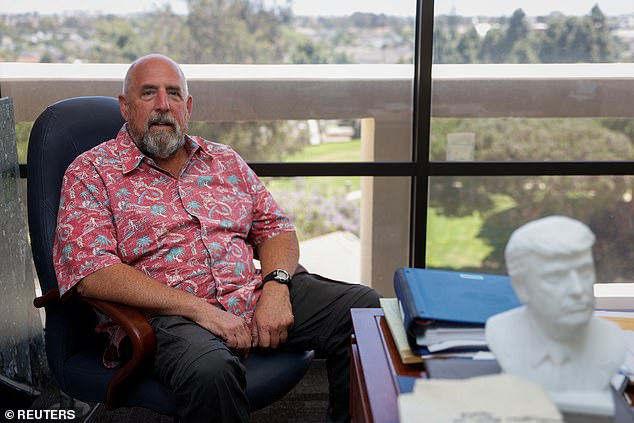
The development has sparked debate and consternation among local Republicans. Huntington Beach City Councilman Pat Burns voiced his frustration, questioning the underlying logic: “‘So, two wrongs make a right?’” he asked Reuters. “It’s just California ugly-a** politics, and they are all about their agenda and not about the people. They don’t care about the people of California one bit.”
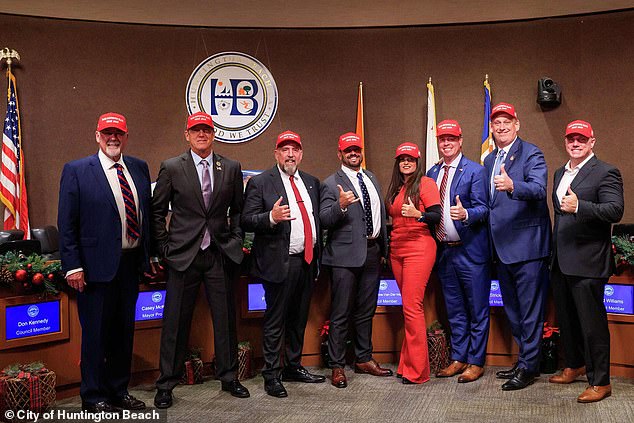
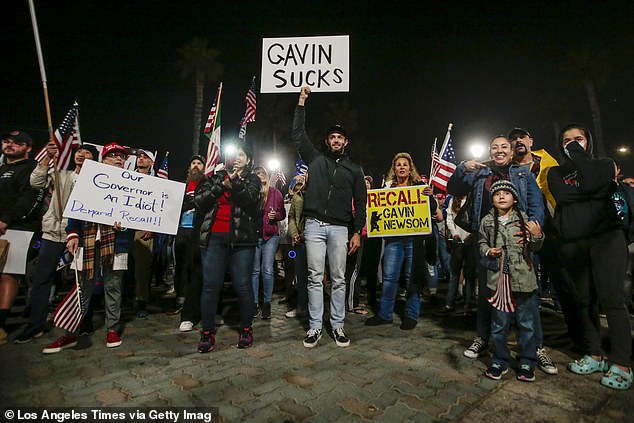
Huntington Beach, a city that has historically defied many of the state’s Democratic leanings and proudly embraces its “MAGA-fied” identity, is currently represented by Democratic Representative Dave Min. However, due to the contentious redistricting battle, Garcia, originally from Long Beach, now faces the prospect of becoming Huntington Beach’s new representative. This unusual pairing of Long Beach and Huntington Beach into a single district is a direct result of gerrymandering tactics employed in the ongoing struggle for control of the US House of Representatives.
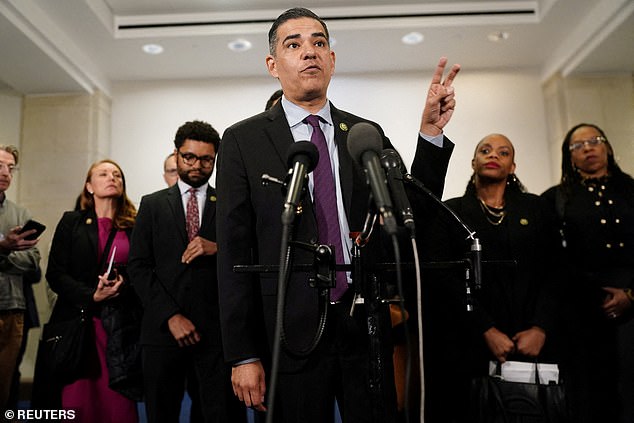
Garcia, who was elected to Congress in 2022 and secured re-election in 2024 with a commanding 35-percentage-point lead, is set to advance through the primary election on June 2nd and subsequently contest the general election in November. Throughout his career, Garcia has been a vocal critic of Donald Trump, championing issues such as immigration reform, climate change action, and healthcare accessibility – policies that frequently clash with the viewpoints of MAGA supporters.
Despite facing the town’s predominantly conservative and pro-Trump electorate, Garcia remains unfazed by the prospect of representing a constituency with differing views. He has openly spoken about his personal experiences with homophobia, stating, “I’ve represented people I don’t agree with on everything, my entire time as mayor, and currently as a member of Congress. That’s okay. That’s America.”
Speaking to CalMatters, Garcia expressed his commitment to all constituents: “The vast majority of Huntington Beach are good, hard-working, middle-class folks that want a just future for themselves. That’s who I am gonna represent.”
However, not all residents share this optimistic outlook. Domnic McGee, a member of the Huntington Beach Planning Commission and a vocal conservative, believes the Democrats are leveraging redistricting to consolidate power. He has declared his intention to “fight for traditional American values” and resist what he perceives as “overreach” by the left.
Local resident Janet Jacobs echoed sentiments of support for former President Trump, stating her belief that “Trump is doing a hell of a job.”
Despite these differing perspectives, Garcia remains optimistic about potential collaboration. He anticipates forging partnerships with cities like Huntington Beach and Newport Beach, asserting that even conservative councils ultimately desire the same outcomes for their communities as those in Long Beach.
One key issue that Garcia believes can unite diverse communities across California, including Huntington Beach and Newport Beach, is the contentious topic of offshore oil drilling. He highlighted it as a significant concern for all residents in the region.
Even Huntington Beach Mayor Casey McKeon has indicated a willingness to work professionally with any elected official, regardless of their political affiliation. He drew a parallel to Republican Representative Michelle Steel, who, despite differing political views, collaborated on a beach sand replacement project, demonstrating a commitment to serving the town’s best interests above partisan politics.
The National Landscape of Redistricting Battles
The political maneuvering in California is part of a broader national trend. The White House’s aggressive push for redistricting policies across the country aims to create electoral maps more favourable to the GOP, thereby bolstering their chances of retaining control of Congress in the upcoming November midterms.
However, these efforts have encountered significant roadblocks in some states. In South Carolina, for instance, the state Senate adjourned without taking up a measure to redraw its congressional districts. The existing map features only one Democratic-held congressional district out of seven, and the proposed changes were designed to ensure all seven would remain under GOP control.
The adjournment, however, was a result of at least a dozen Republicans voting to delay the proceedings until after the state’s primary elections. Their argument centred on the impracticality of altering districts while early voting was already underway. This decision to postpone the redistricting discussion means the issue is unlikely to be resolved this year, especially given the ongoing early voting period.
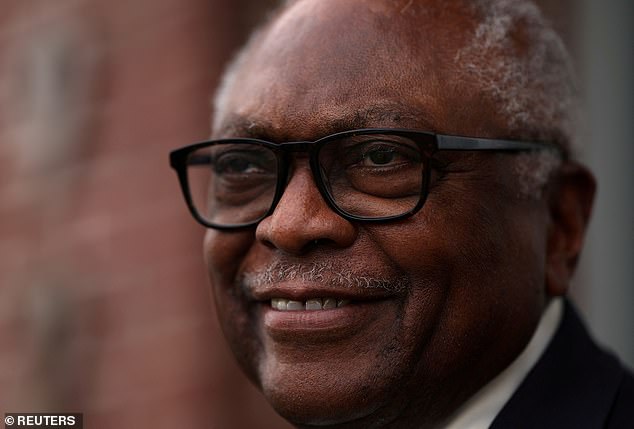
The sole Democratic congressional district targeted for dismantling was represented by Congressman James Clyburn. His campaign publicly stated that the Republican redistricting efforts were instigated by Donald Trump, not by voter demand. While the vote on redistricting did not proceed this week, it remains a possibility for the state Senate to revisit the matter at a later date, though the timing makes it improbable for the current election cycle.

President Trump had reportedly pressured South Carolina Governor Henry McMaster to convene a special session to expedite the passage of the new voting maps, but this attempt ultimately proved unsuccessful. Some Republican state lawmakers have pointed fingers at the Governor, suggesting he was too slow to call the special session. State Senator Richard Cash defended his stance against the redistricting measure, stating, “Neither my conscience nor my common sense will allow me to stop an election that is already underway.”
The redistricting initiative also faced opposition from within the Republican party in South Carolina, with Shane Massey, the State Senate’s GOP leader, expressing his disapproval of the Trump-backed proposal. Similar attempts by Trump’s political operation to influence redistricting have met resistance, as seen in Indiana, where local GOP leaders defied a Trump-backed plan, leading to backlash from his political allies.
Alabama also saw a setback for Trump’s redistricting agenda. A panel of three federal judges blocked new maps that were intended to favour Republicans, ruling that the Republican-authored plan “intentionally discriminated based on race.” The proposed map in Alabama would have eliminated one of the state’s two Democratic-held congressional districts. This ruling underscores the complex legal and racial considerations involved in the drawing of electoral boundaries, particularly following a Supreme Court decision in April that altered how race is factored into redistricting.