Beyond the Supermarket: Aussies Embrace Bulk Beef Buys to Slash Grocery Bills
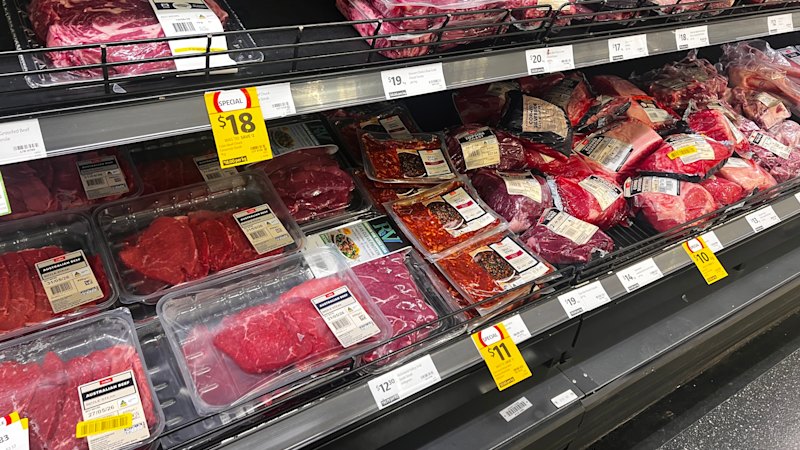
In a move that’s turning the traditional grocery shop on its head, savvy Australian consumers are bypassing the supermarket meat aisle and going straight to the source to purchase entire halves of beef. This extreme form of bulk buying is emerging as a powerful strategy to combat rising inflation, with experts highlighting potential savings of up to $805 on a single half-carcass.
Money expert Joel Gibson recently brought this trend to light, explaining how buying a significant portion of an animal can offer substantial value, especially with beef prices climbing by approximately 12% over the past year. While it might sound daunting, this approach doesn’t mean a whole cow arriving at your doorstep. Instead, it’s delivered as a meticulously butchered selection of cuts, ready for your freezer.
What Exactly Do You Get in a Half Cow?
The sheer volume and variety of cuts available when purchasing half a cow are impressive. This bulk buy typically yields:
- Four eye fillet steaks
- Twelve rump steaks
- Eight New York sirloins
- Twelve T-bone steaks
- Eight scotch fillets
- Sixteen blade steaks
- Twelve round steaks
- Sixteen minute steaks
- Twelve Y-bone steaks
- Eight cuts of osso bucco
- Eight cuts of gravy beef
- Sixteen cuts of chuck steak
- Three kilograms of silverside roast
- Three kilograms of brisket
- Four kilograms of short ribs
- 500 grams of beef stir fry strips
- One kilogram of beef lean mince
- 200 beef sausages
- 32 beef burger patties
- Three kilograms of beef bones
- One kilogram of beef fat
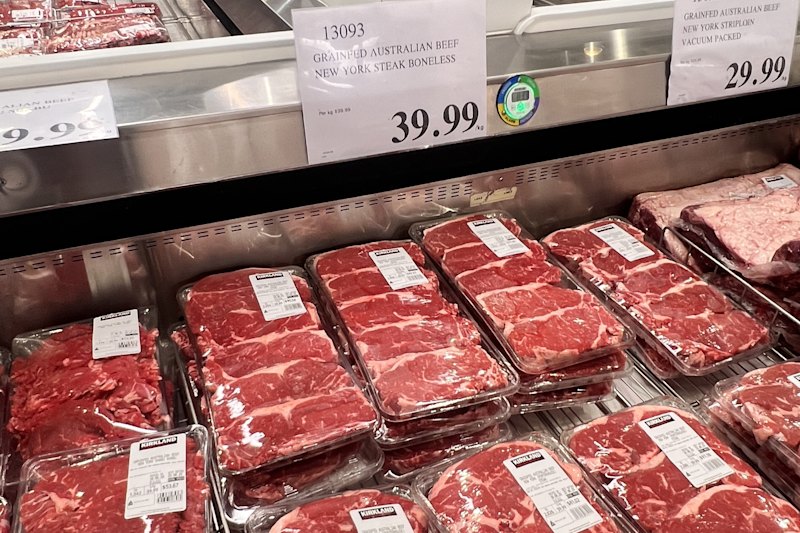
When compared to the average supermarket prices, this comprehensive selection could cost around $2,502. However, purchasing in bulk from specialised suppliers, such as Farmstead Meats in New South Wales, can bring the cost down to approximately $1,697, representing a significant saving of $805.
Wholesale Meat Sales Surge as Aussies Seek Value
Jeff Renfrew, Founder of Farmstead Meats, has witnessed firsthand the growing popularity of their “half a cow” offering. He notes that Australian households are actively seeking more economical ways to secure quality food amidst escalating grocery expenses.
“What we’re seeing is customers often start smaller, maybe with a quarter of a cow, and then graduate to larger format purchases once they see the value and convenience,” Renfrew explained. “We’re also seeing customers team up with friends, family, and other households to split larger purchases to maximise savings without needing the freezer space for a full bulk buy themselves.”
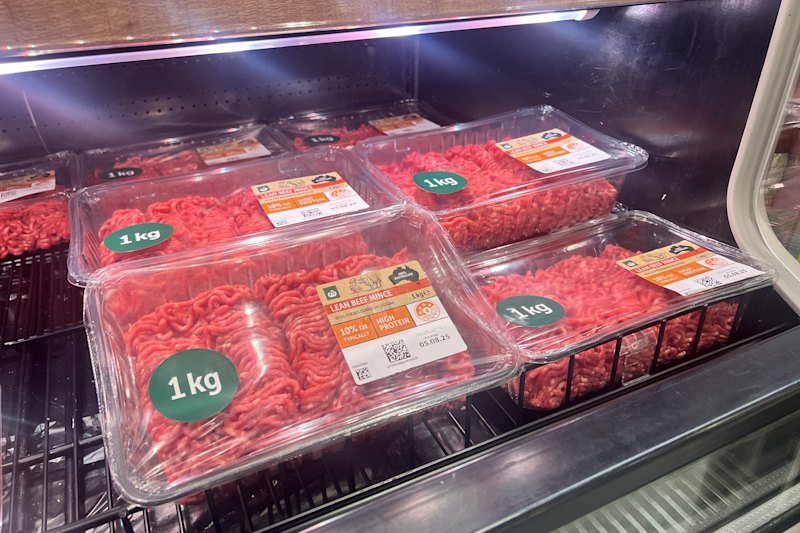
This shift reflects a broader trend of consumers becoming more budget-conscious and strategic with their spending. Farmstead Meats has reported a staggering 133% increase in wholesale meat sales, underscoring the demand for bulk buying options to help manage household budgets. Beyond half cows, the company also offers quarter and eighth portions of beef, as well as half lambs, all with comparable cost-saving benefits. For those with limited storage, smaller packages like a 25kg “eighth” of a carcass are available, designed to fit comfortably in a standard fridge and freezer.
The Long-Term Savings of Bulk Buys
While the initial outlay for a bulk meat purchase might be higher than a typical weekly or monthly grocery shop, the long-term value is undeniable. Renfrew points out that the cost per meal works out to be significantly lower, making it a more economical choice over time.
“Aussie households are becoming savvier about finding ways to outsmart the supermarket system: planning ahead, buying quality food more strategically, storing it better and getting more value from every dollar spent,” he added.
Several suppliers across Australia now offer these bulk meat options:
- Farmstead Meats: Delivers across VIC, NSW, QLD, and the ACT.
- Outback Beef: Offers similar products in WA, delivering to Perth and The Pilbara.
- Carnevore: Serves residents in SA.
- Eva Valley Meats: Caters to the NT.
Mastering the Art of Storing Bulk Meat Purchases
To truly maximise the benefits of buying in bulk, proper storage is crucial. Renfrew offers essential advice on how to keep your meat fresh and enjoyable for extended periods.
Freezer Lifespan: As a general rule, chicken is best consumed within approximately three months when frozen. Beef and lamb, however, can be stored safely for six to twelve months, provided they are properly frozen.
Packaging is Key: The quality of your meat is heavily influenced by how it’s stored. Cryovac sealed or vacuum-packed meat offers superior protection against freezer burn, preserves flavour, and maintains quality by minimising exposure to air. Farmstead Meats, for instance, cryovac seals all its products before dispatch for this very reason.
Essential Tips for Optimal Meat Storage:
Label It Clearly: A common mistake is forgetting what’s in the freezer and when it was packed. Always label your meat with its contents and the date it was frozen. Remember, meat that’s nearing its use-by date before freezing will have a similarly limited lifespan after thawing.
Invest in Good Packaging: Proper packaging is paramount. Vacuum-sealed or cryovac packaging helps prevent freezer burn and maintains the integrity of the meat.

3. Allow for Airflow: When freezing large quantities, avoid tightly packing everything together. Allowing some space for air circulation helps the meat freeze more evenly, which is especially important for bulk purchases.Defrost Safely and Slowly: When it’s time to cook, always thaw meat slowly in the refrigerator. This method is more hygienic than leaving meat on the kitchen bench, where the outer layers can warm up too quickly, creating a breeding ground for bacteria.
By embracing these bulk buying strategies and adopting best practices for storage, Australian consumers can significantly reduce their grocery expenses while still enjoying high-quality meat.