
Pentagon’s ‘Transparency’ Claim Sparks Outcry Amidst New Restrictions
A recent declaration from a spokesperson for the Department of Defense (DoD) regarding the department’s unprecedented level of transparency has ignited a firestorm of criticism from political analysts, journalists, and observers across the political spectrum. The spokesperson, Joel Valdez, who serves as the acting press secretary for the DoD, took to his official X account to assert that the department is “the most transparent War Department in history.” He further dismissed any dissenting opinions as mere “spin from the Fake News media.”
However, Valdez’s pronouncements were immediately followed by a significant announcement that appears to directly contradict his claims of openness. He revealed that the Pentagon Press Office has been redesignated as a Sensitive Compartmented Information Facility (SCIF). This change, he explained, is a consequence of speechwriters from the Office of the Secretary of War sharing the facility. According to Valdez, these speechwriters “routinely handle classified material and require SIPRNet access.” Consequently, journalists will no longer be granted entry to this office space. Valdez maintained that “there’s nothing controversial about that.”
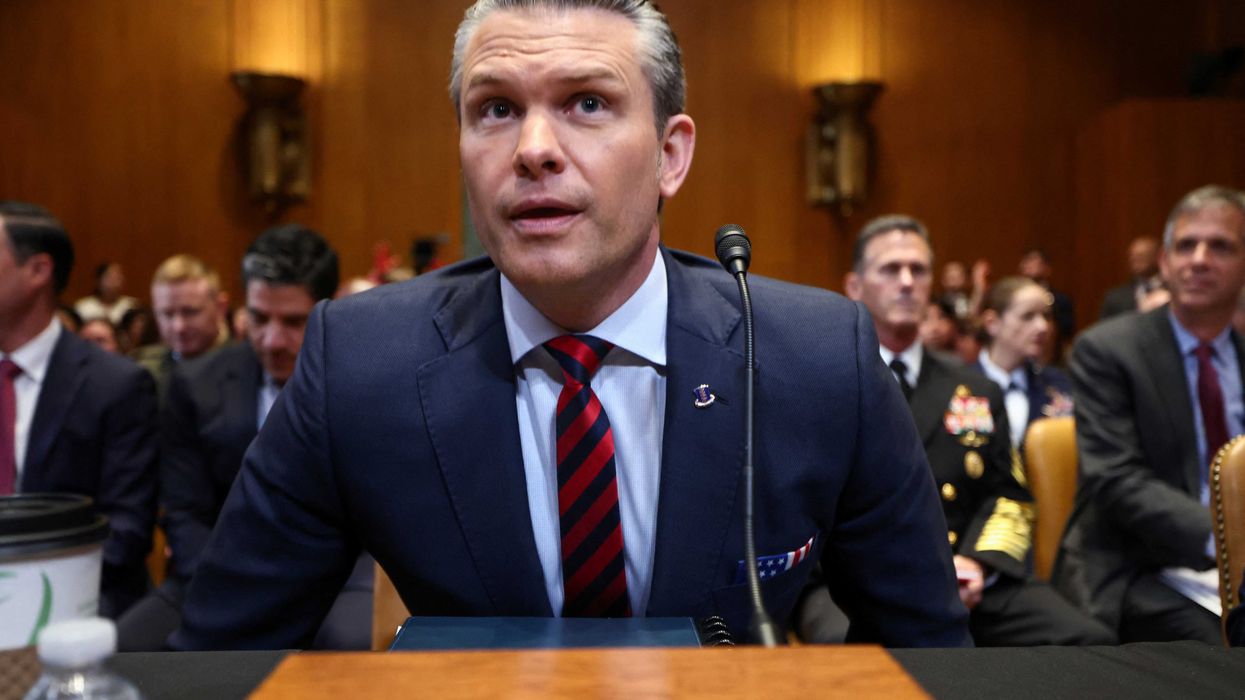
This abrupt shift in access protocols comes at a particularly sensitive time for Defense Secretary Pete Hegseth, who has been under intense scrutiny regarding his personal use of encrypted messaging platforms and his stewardship of classified information. Last year, Hegseth was reportedly part of a Signal group text that allegedly shared sensitive military operations with Jeffrey Goldberg, the Editor-in-Chief of The Atlantic.
Reactions from the Media and Political Pundits
The spokesperson’s assertions and the subsequent policy change were met with widespread derision online. Many commentators swiftly pointed out the apparent disconnect between the rhetoric of transparency and the reality of restricted access.
- Fred Wellman, a Democratic candidate from Missouri, expressed his disbelief, posting on X: “This is all lies. These spineless cowards are absolutely terrified of the free press.”
- Konstantin Toropin, a Pentagon reporter for the Associated Press, highlighted a previous commitment made by the department. He tweeted: “Last year @SeanParnellASW promised the press the most transparent Pentagon ever. Now, their position is that “there’s nothing controversial” about designating the office with their press officers – officers and civilians that are supposed to work with the press – as classified.”
- Dan Lamothe, a military affairs reporter for The Washington Post, offered a more nuanced, yet still critical, assessment. He posted on X: “Fact check: The latter three paragraphs of Joel’s statement appear to be true. The bit about transparency, not so much.”
The Implications of the SCIF Redesignation
The designation of the Pentagon Press Office as a SCIF has significant implications for how journalists can gather information and report on defense matters. A SCIF is a highly secure area where classified information can be discussed and processed. By restricting journalist access to this area, the DoD is effectively creating a barrier between the press and personnel who are directly involved in sensitive military and policy discussions.
This move raises several critical questions:
- Access to Information: How will journalists be able to effectively question and receive accurate information from officials who are now operating within a classified environment, inaccessible to them?
- Accountability: Will this restriction hinder the press’s ability to hold the DoD accountable for its actions and decisions, particularly in light of past controversies?
- Definition of Transparency: What does “transparency” truly mean if the primary conduits for information are now operating under strict classification protocols that limit public access?
The DoD’s stated rationale for the redesignation centres on the presence of speechwriters who handle classified materials. While this is a legitimate concern for national security, the timing and the accompanying claims of enhanced transparency have led many to question the department’s true intentions. The perception among many is that this is not an expansion of openness, but rather a strategic move to control the narrative and limit the press’s ability to scrutinize sensitive operations and internal discussions. The coming weeks and months will likely reveal the true impact of these new restrictions on the relationship between the Pentagon and the media.


