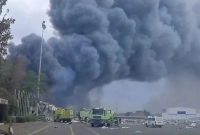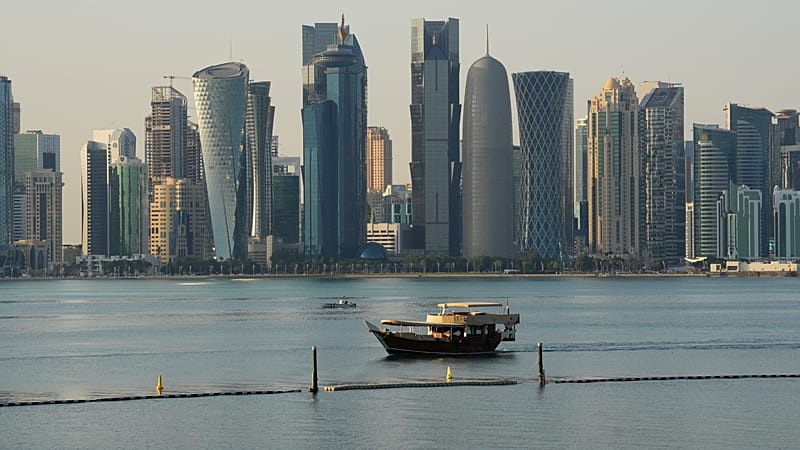
Qatar’s military forces successfully intercepted a series of missiles aimed at the nation in two distinct waves during the early hours of Saturday morning, as confirmed by the Ministry of Defence. The events unfolded shortly after 2:00 am and again around 5:45 am, jolting the capital city of Doha awake.
Journalists on the ground reported hearing air raid sirens, which were followed by the distinct sounds of interceptors engaging incoming missiles. These engagements generated loud explosions that resonated through the city, causing significant vibrations.
Precautionary Evacuations Underway
In response to the unfolding situation, the Ministry of Interior announced the implementation of temporary precautionary evacuation measures. These measures were specifically directed at residents in designated areas who had received notifications via the National Alert System. The ministry assured that safe alternative accommodation was being provided for those affected by the evacuations. Additionally, some individuals opted to relocate to other secure locations until the perceived threat had subsided.
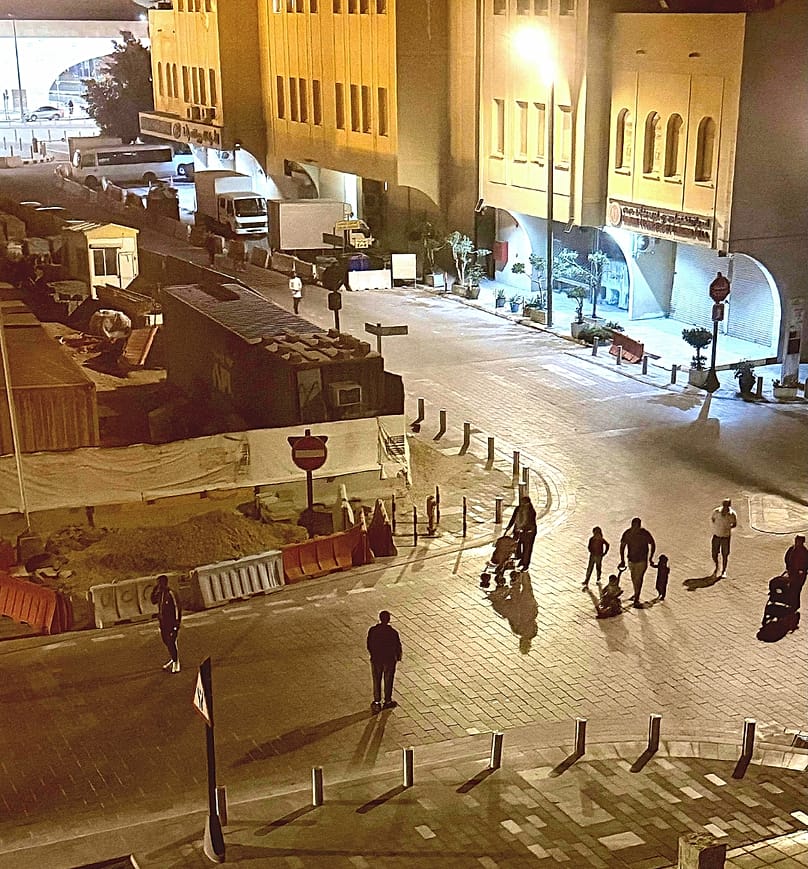
Reports from residents and journalists indicated that authorities were overseeing the evacuation of sections of Msheireb Downtown Doha. This prominent central district is home to numerous government offices and a significant technology hub, including an office for Google. Further evacuations were also observed in parts of Education City, a precinct that hosts branch campuses of several prestigious US universities.
While authorities have not publicly disclosed the precise locations covered by these precautionary evacuations, they have strongly urged the public to rely solely on official sources for accurate information and to strictly adhere to all instructions issued by the relevant authorities.
The announcements regarding evacuations preceded a complex warning issued on social media by Iran’s Islamic Revolutionary Guard Corps (IRGC). This warning advised employees of several major US technology companies operating within Gulf countries, as well as residents in proximity to their facilities, to evacuate offices and tech centres. The IRGC’s message specifically referenced companies with a presence across cities like Dubai, Riyadh, and Doha.
Strategic Supply Stocks and Resilience
In a rare demonstration of the nation’s preparedness and commitment to reassuring its populace, Qatari officials provided an overview of the country’s contingency measures on Friday. The Minister of Interior, Sheikh Khalifa bin Hamad bin Khalifa Al-Thani, highlighted Qatar’s robust strategic stock of essential medicines, which is sufficient to cover a period of nine months. Furthermore, the country possesses medical supplies capable of lasting up to 12 months, ensuring that healthcare services can continue to operate without interruption.
In parallel with these preparedness efforts, Qatar Airways reported on Saturday that it had successfully transported nearly 300 tonnes of essential goods into Qatar since the beginning of March. This vital cargo included a range of items such as medicines, baby formula, fresh food, and critical medical equipment. The airline confirmed that its cargo flights are continuing to operate, utilising temporary corridors that have been authorised by the Qatar Civil Aviation Authority. This measure is crucial for maintaining supply chain integrity despite potential airspace restrictions.