
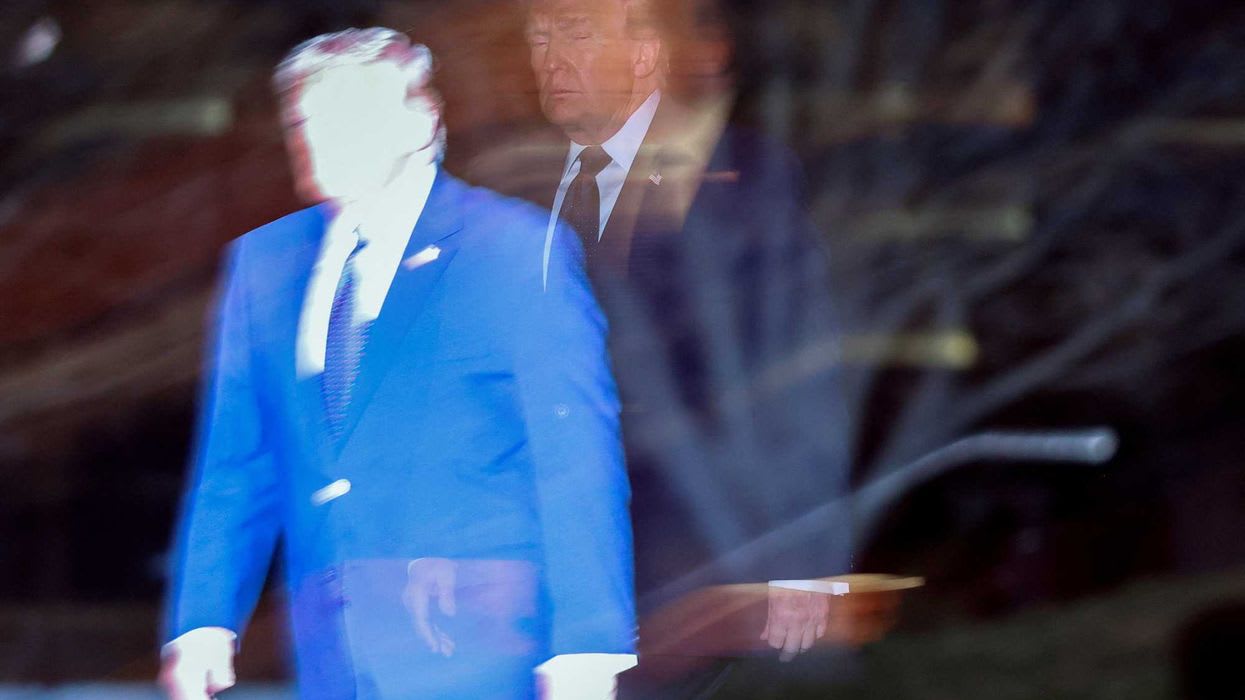
The escalating conflict with Iran, championed by President Donald Trump, is placing an unprecedented strain on corporate America’s willingness to remain publicly supportive, or even silent. According to observations from CERAWeek in Houston, a significant number of chief executive officers are exhibiting a marked reticence, largely attributed to a palpable fear of presidential reprisal. This apprehension, however, may soon be overshadowed by the tangible economic fallout, potentially compelling these business leaders to vocalise their concerns and break ranks with the prevailing silence.
Mounting Economic Pressures
The ramifications of the Iran-related tensions are far-reaching and increasingly severe, impacting various sectors of the American economy. Economists are sounding the alarm bells, warning of elevated recession risks. Concurrently, oil prices have experienced a dramatic surge, climbing by over 50 percent. This volatile market, coupled with the financial burden of the ongoing conflict, is costing taxpayers an estimated $1 billion daily. Furthermore, the economic disruption is directly linked to the destruction of approximately 10,000 jobs, highlighting the significant human cost of these geopolitical manoeuvres.
Energy Sector’s Dire Warnings
Leaders within the vital energy sector have been particularly vocal about the potential catastrophic consequences. Executives from prominent companies such as Dow and Chevron have issued stark warnings regarding the implications of a continued blockade of the Strait of Hormuz. Such an action would not only disrupt global energy flows but also compel major consumers like Asia to aggressively seek out alternative energy sources, fundamentally reshaping the international energy landscape.
Beyond the energy industry, other influential figures in the corporate world have begun to express their unease. Evan Greenberg, the CEO of Chubb, has publicly described democracy as “fragile,” a sentiment that resonates with growing concerns about the stability of established institutions. Similarly, Ken Griffin of Citadel has labelled the administration’s perceived favouritism within economic policy as “extremely distasteful,” indicating a broader dissatisfaction with the current approach to business and governance.
A Growing Tide of Discontent
While many CEOs remain hesitant to speak out publicly, fearing the wrath of the President, the sheer weight of the economic damage is creating a compelling argument for a unified voice. This is not the first instance of corporate leaders grappling with the administration’s policies. In a notable display of organised protest, over 60 corporate leaders, representing a diverse array of industries including retail giants like Target, Best Buy, and food manufacturers such as General Mills, have previously voiced their opposition to certain Immigration and Customs Enforcement (ICE) enforcement actions.
One anonymous CEO, speaking candidly about the prevailing atmosphere, admitted to feeling “shell-shocked” by the unfolding events. However, this sentiment is often tempered by a deep-seated sense of fiduciary duty to their shareholders. This obligation, they argue, constrains their ability to engage in public opposition that could be perceived as detrimental to their company’s financial well-being, even when faced with policies that appear to be undermining their bottom lines.
The dilemma faced by these corporate leaders is a complex one. On one hand, the economic realities are becoming undeniable, with mounting costs and disruptions impacting profitability and job security. On the other hand, the potential for a swift and severe backlash from the highest office in the land creates a powerful disincentive for public dissent. This delicate balancing act is becoming increasingly difficult to maintain as the economic consequences of the current geopolitical stance continue to mount.
The silence from some of the most prominent figures in American business, particularly in the technology sector, has also drawn scrutiny. Reports have emerged suggesting that while Big Tech CEOs remained publicly quiet on issues such as tariffs, they were actively engaged in behind-the-scenes lobbying efforts. This dual approach highlights the intricate strategies employed by corporations to navigate a complex and often unpredictable political environment.
The current climate, marked by a palpable fear of retribution and a growing sense of economic unease, suggests that the period of quiet acquiescence may be drawing to a close. As the financial repercussions of the Iran conflict and other administration policies become more acute, the pressure on corporate leaders to speak out and advocate for their businesses and the broader economic health of the nation will undoubtedly intensify. The question remains whether this pressure will be enough to overcome the deeply ingrained fear of presidential ire.


