
US Signals Intent to Assert Control Over Strait of Hormuz
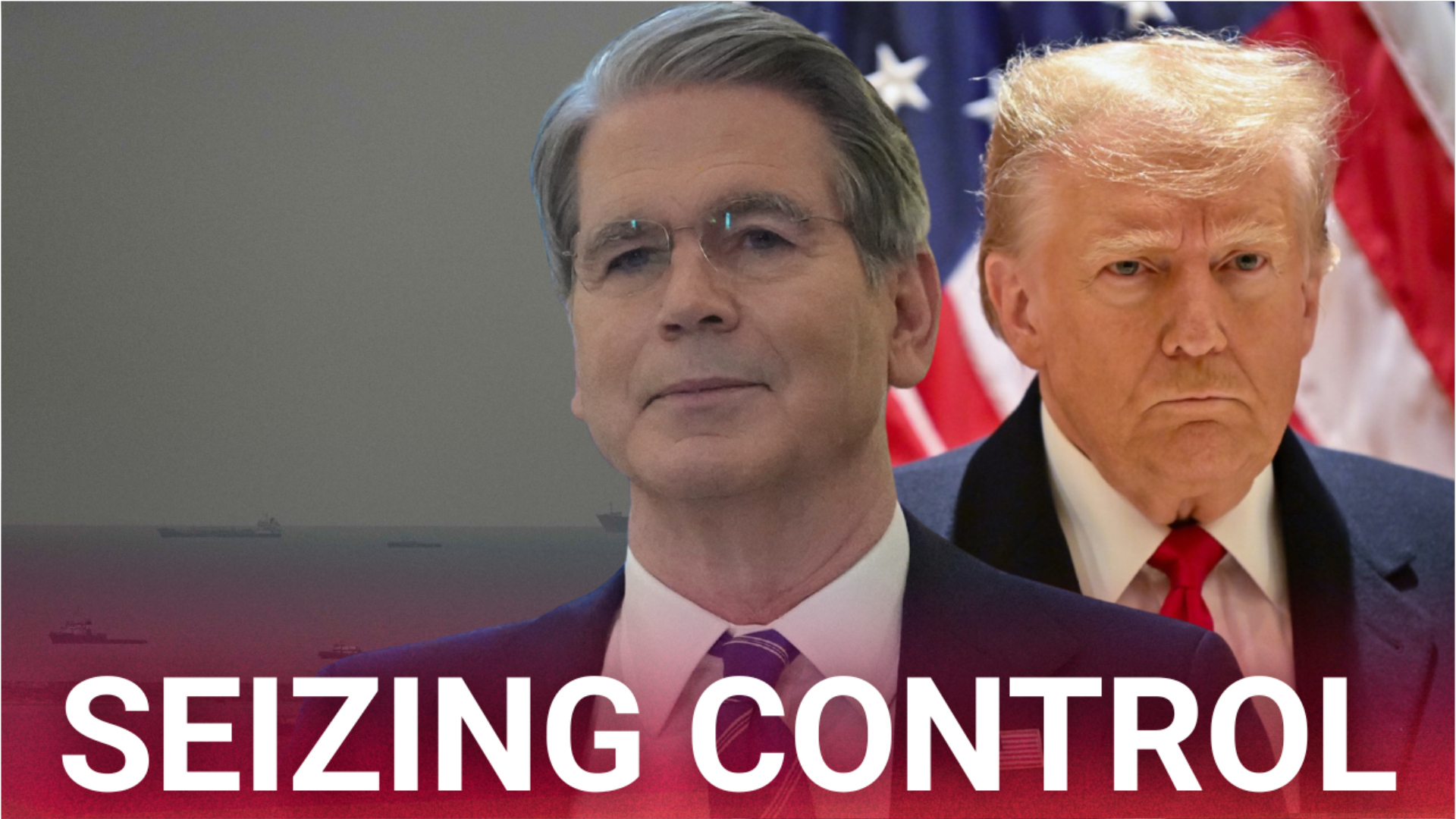
The United States is poised to assert greater control over the strategically vital Strait of Hormuz, a move that could significantly impact global oil markets and international maritime security. US Treasury Secretary Scott Bessent has publicly confirmed the nation’s intention to ensure “freedom of navigation” through this critical waterway.
Speaking in an interview with Fox News, Secretary Bessent indicated that the current situation in the Strait involves individual nations striking ad-hoc agreements with the Iranian regime to facilitate passage. He elaborated on this point, stating, “The market is well supplied, and we are seeing more and more ships go through on a daily basis as individual countries cut deals with the Iranian regime for the time being.”
This assertion suggests a shift in US policy, moving from a more passive observation of regional dynamics to a more proactive stance. The Strait of Hormuz, a narrow chasm connecting the Persian Gulf to the open ocean, is a crucial chokepoint for global oil supplies, with a significant portion of the world’s seaborne crude oil passing through its waters daily. Any disruption or perceived threat to this passage carries substantial economic implications worldwide.
Secretary Bessent further articulated the US plan, stating that the nation intends to “retake” control of the Straits. This reclaimed control, he explained, will guarantee freedom of passage. The mechanism for achieving this freedom was outlined as either through direct “US escorts” or via a “multinational escort” arrangement.
The implications of such a move are multifaceted:
- Economic Stability: By ensuring unimpeded passage, the US aims to bolster the stability of global energy markets. Reduced uncertainty around oil shipments can help to temper price volatility, which is crucial for both producing and consuming nations.
- Geopolitical Repercussions: Increased US presence and control in the Strait could alter the regional power balance. It may signal a stronger commitment to maritime security in the Persian Gulf and potentially influence the diplomatic landscape with Iran and other regional actors.
- International Cooperation: The mention of a “multinational escort” suggests a potential for broader international collaboration. This could involve naval forces from allied nations working together to patrol and secure the Strait, sharing the responsibility and enhancing the legitimacy of the operation.
- Freedom of Navigation: Fundamentally, the US objective is to uphold the principle of freedom of navigation. This principle is a cornerstone of international maritime law and is essential for global trade and commerce. Ensuring this freedom in a vital chokepoint like the Strait of Hormuz is seen as a global imperative.
The announcement comes at a time of ongoing tensions in the Middle East. The Strait of Hormuz has historically been a focal point for such tensions, with various incidents and threats impacting shipping. The US’s stated intention to take a more direct role could be a response to these persistent challenges and a desire to prevent potential disruptions before they occur.
The specifics of the “deals being cut with the current Iranian regime by individual countries” are not detailed, but it implies a complex web of informal arrangements that the US may be seeking to supersede with a more formal and robust security framework. The “time being” qualifier suggests that these individual deals are viewed as temporary or insufficient by the US.
The US’s commitment to securing the Strait of Hormuz, whether through unilateral action or a multinational coalition, underscores its strategic importance to the United States and the global economy. The success and broader acceptance of this initiative will likely depend on the diplomatic engagement with regional partners and clear communication of the operational objectives and intended outcomes. The world will be watching closely as these plans unfold and their impact on global trade and regional stability.