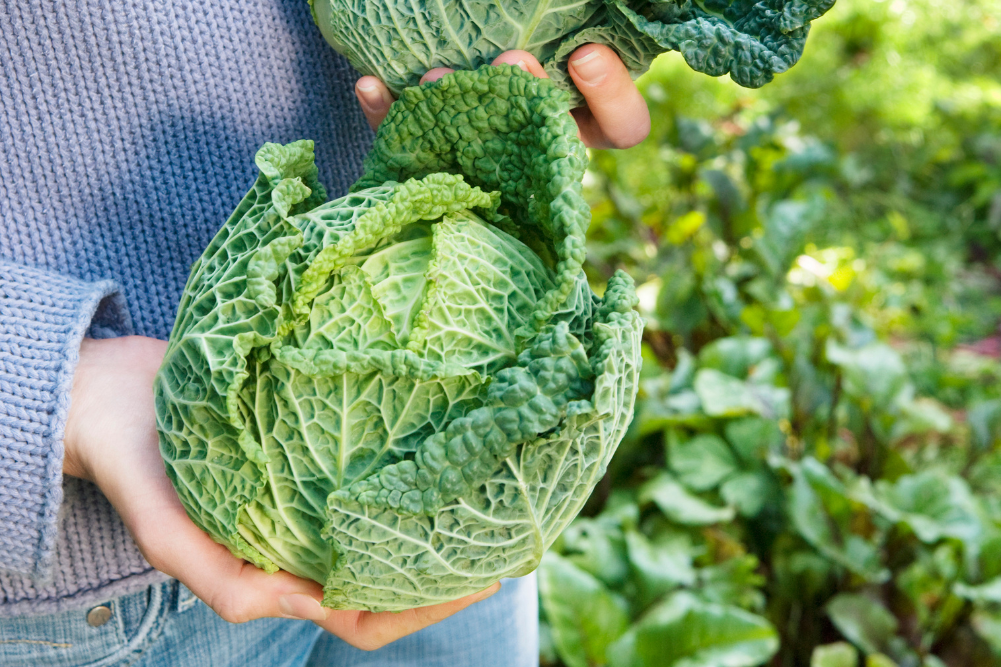
The humble brassica family, encompassing familiar favourites like broccoli, kale, cabbage, and cauliflower, is a powerhouse of nutrition and an unsung hero in our quest for good health. Despite their widespread availability and impressive array of health benefits, many of us are likely not consuming enough of these versatile and delicious vegetables.
Our parents were right when they urged us to eat our Brussels sprouts – they, along with their cruciferous cousins, are incredibly good for us. Belonging to the Brassicaceae plant family, these vegetables are among the most nutrient-dense foods available, offering a remarkable range of health advantages. From lowering cholesterol and reducing the risk of serious diseases like cancer and heart disease, to boosting liver detoxification, strengthening immunity, and even helping to balance hormone levels, the brassica family truly lives up to its “superfood” status. This extensive family includes a wide variety, such as broccoli, kale, cabbage, cauliflower, Brussels sprouts, bok choy, collard greens, rocket, watercress, rutabaga, turnips and turnip greens, daikon, wasabi, kohlrabi, radish, maca, and mizuna.
The Nutritional Powerhouse
Brassicas are packed with potent vitamins, minerals, and unique phytochemicals that actively combat disease. Their special compounds deliver powerful antioxidant and anti-inflammatory benefits, while also playing a crucial role in managing cholesterol (lipids) and stabilising blood sugar levels. This makes them an excellent dietary choice for preventing chronic conditions like cancer, cardiovascular disease, and type-2 diabetes. You’ll also find abundant vitamin A and carotenoids, including beta-carotene, lutein, and zeaxanthin, essential nutrients that support sharp eyesight, good vision, and significantly reduce the risk of age-related eye conditions such as macular degeneration.
These remarkable vegetables are also generous suppliers of vitamins C, E, and K. These vital nutrients are key players in fortifying the immune system, ensuring healthy blood clotting, and promoting robust cardiovascular and bone health. Furthermore, brassicas provide a good dose of folate and iron, crucial for red blood cell production, and calcium and phosphorus, which are fundamental for strong bones.
Rich in protective flavonoids, including flavonols and anthocyanins, brassicas contribute to improved cardiovascular health. These compounds help prevent the oxidation of “bad” cholesterol and lower the risk of diseases like atherosclerosis, cancer, and chronic inflammation. Anthocyanidins, responsible for the vibrant red, blue, and purple hues found in many fruits and vegetables, are particularly abundant in purple kale and cabbage, offering additional antioxidant benefits.
Incorporating brassicas into your diet also significantly boosts your intake of both soluble and insoluble fibre, both essential for maintaining a healthy digestive system and cardiovascular well-being. What truly sets this vegetable family apart is their unique group of phytochemicals called glucosinolates, which include compounds like sulforaphane and indole-3-carbinol. These naturally occurring, sulfur-containing chemicals are responsible for the characteristic pungent aroma and slightly bitter, mustard-like flavour of brassicas.
When brassicas are prepared – whether cut or cooked – an enzyme called myrosinase is activated. This enzyme converts glucosinolates into potent active phytochemicals known as isothiocyanates. These compounds possess outstanding health benefits and remarkable disease-preventing properties, including reducing inflammation and supporting the body’s natural detoxification processes by neutralising carcinogenic compounds before they can cause cellular damage.

A Spectrum of Health Benefits
The scientific community and numerous studies have highlighted the profound positive impact of brassica consumption on our health.
Combating Cancer
A substantial body of research indicates a strong link between eating brassica vegetables and cancer prevention. Glucosinolates, particularly indole-3-carbinol and sulforaphane, have been extensively studied for their potent anti-cancer effects. Animal studies have demonstrated their ability to inhibit the development of various cancers, including those affecting the bladder, breast, colon, liver, lungs, and stomach. These compounds work by protecting DNA from damage, inactivating carcinogens, and hindering the formation of blood vessels that feed tumours, as well as preventing tumour cell migration. While human studies have shown promising results, particularly for breast and colorectal cancers, ongoing research continues to explore the full extent of their impact.
Enhancing Skin Health
Boosting your dietary intake of brassicas also translates to improved skin health, thanks to their high sulfur content. Sulfur is a vital element for every cell in the body, playing a critical role in maintaining the health and youthful appearance of hair, skin, and nails. Adequate sulfur levels are essential for robust collagen production, which provides skin with its structure and strength. A decline in collagen production is a primary contributor to the formation of wrinkles and the visible signs of ageing.
Supporting Liver Function and Detoxification
Brassicas are rich in key nutrients that are instrumental in supporting liver function and the body’s natural detoxification pathways. This includes glucosinolates, isothiocyanates, sulfur, vitamins E and C, and selenium. Isothiocyanates are particularly effective in supporting both Phase I and Phase II liver detoxification processes, by activating the liver’s natural detoxification enzymes. This helps the body efficiently metabolise and eliminate toxins.
Sulfur acts as a magnet for heavy metals and other toxins, facilitating their safe removal from the body. Furthermore, the body utilises sulfur to produce glutathione, one of its most powerful and vital antioxidants. Glutathione plays an indispensable role in liver detoxification and offers crucial protection against environmental toxins and the development of cancer. The levels of glutathione in the body are significantly influenced by the dietary intake of sulfur-containing foods.
To optimise liver health and detoxification, incorporating a diverse range of brassica vegetables into your diet is highly recommended. Interestingly, fermenting these vegetables can actually increase their sulfur content and enhance the bioavailability of sulfur. Enjoying sauerkraut and other fermented brassicas in salads, wraps, or alongside curries and stir-fries is a delicious way to reap these benefits.
“Cruciferous or brassica vegetables offer a variety of impressive health benefits including lowering cholesterol levels and the risk of heart disease, boosting liver detoxification and immunity, and even balancing hormone levels”.
Reducing Inflammation
Brassicas possess remarkable anti-inflammatory properties. Research published in the Journal of the Academy of Nutrition and Dietetics indicated that higher consumption of cruciferous vegetables was associated with a reduction of up to 25 per cent in inflammatory markers among a group of 1005 women. This makes brassicas an excellent addition to an anti-inflammatory diet, potentially offering relief for inflammatory conditions such as asthma, rheumatoid arthritis, and ulcerative colitis.
Regulating Blood Sugar and Aiding Weight Management
The high dietary fibre content in brassicas plays a crucial role in slowing down digestion and the rate at which sugars are absorbed into the bloodstream, thereby helping to maintain more balanced blood-sugar levels. Extensive research, including a 2021 meta-analysis, has demonstrated that increased intake of cruciferous vegetables is linked to a reduced risk of developing type 2 diabetes.
For example, just one cup of cooked broccoli provides over 5.1 grams of fibre, exceeding 20 per cent of the recommended daily intake. A similar serving of cooked Brussels sprouts offers 4.1 grams, and kale provides 4 grams. Consuming fibre-rich foods is also a highly effective strategy for promoting healthy weight loss. The substantial fibre content in brassicas promotes satiety, helping you feel fuller for longer, and can reduce cravings for sugary foods. Their low-calorie profile further enhances their suitability for individuals aiming to manage their weight.
Promoting Heart Health
While increasing overall vegetable consumption is generally recognised for its heart-protective benefits, brassicas stand out due to their exceptional fibre and antioxidant content. They also contribute significantly to lowering cholesterol levels and reducing the risk of atherosclerosis. Compounds found in brassicas help regulate cholesterol by binding to bile acids and facilitating their removal from the body. Bile acids are essential for the digestion and absorption of fats. When bile acids are lost, the body replenishes them by drawing on its existing cholesterol stores, which in turn helps to lower overall cholesterol levels.
A study published in Biomedical Environmental Science in 2008 observed a 10 per cent reduction in LDL (“bad”) cholesterol and a 27 per cent increase in HDL (“good”) cholesterol in men with high cholesterol who consumed 120ml of kale juice daily for 12 weeks. Further research tracking over 134,000 adults for a decade found that those with a higher intake of vegetables, particularly cruciferous varieties, exhibited a lower risk of death from heart disease.
Balancing Hormones
Incorporating brassicas into your diet can also contribute to balancing oestrogen levels, potentially alleviating symptoms associated with oestrogen dominance, such as irregular periods, weight gain, bloating, and premenstrual syndrome (PMS). Research has identified a correlation between brassica consumption and oestrogen levels. This hormone-balancing effect is attributed to the presence of indole-3-carbinol, a compound that has been shown to help regulate oestrogen activity and metabolism.
“When brassicas are cut or cooked, an enzyme called myrosinase is activated, which converts glucosinolates into active phytochemicals called isothiocyanates. Isothiocyanates have been found to reduce inflammation and support the body’s detoxification of carcinogenic compounds before they can damage cells”.
Optimal Intake and Selection
For effective disease prevention, incorporating a diverse range of brassica vegetables into your daily diet is recommended. Experts suggest aiming for at least five servings of these nutritious foods per week. However, for optimal health and robust protection against disease, consuming a variety of brassicas daily is considered ideal. These versatile vegetables can be prepared in numerous ways, including baking, steaming, pan-frying, and fermenting. They are easily added to soups, stir-fries, and curries, or enjoyed raw in salads, with dips, or blended into green smoothies.
Which Brassicas Reign Supreme?
Dark-green leafy brassicas are often considered nutritional powerhouses. This category includes broccoli, kale, collard greens, turnip greens, watercress, and arugula (rocket). Generally, the darker and more vibrant the colour of a vegetable, the higher its antioxidant content. Purple kale and cabbage, for instance, boast particularly high levels of protective antioxidants due to their anthocyanin content. Darker green varieties typically offer a richer nutrient profile than their paler counterparts. While the florets of brassicas often contain the highest concentration of nutrients, their stalks and leaves are also highly nutritious and should not be discarded. Consider adding chopped cauliflower leaves to your next curry for an extra nutritional boost.
Research indicates that brassica sprouts can contain even higher levels of glucosinolates and exhibit a stronger anti-cancerous effect compared to their mature plant counterparts. Broccoli sprouts, in particular, have been found to contain 10 to 100 times more glucosinolates than mature broccoli. An Australian study by the Rural Industries Research & Development Corporation (RIRDC) identified broccoli sprouts as having the highest glucosinolate levels among all tested brassica sprouts. To maximise the benefits of sprouts, consume them fresh and raw, and chew them thoroughly. Brassica sprouts are readily available from green grocers or can be easily and affordably grown at home.
Considerations for Consumption
While brassicas offer a wealth of health advantages, certain individuals may need to be mindful of their intake. Some people may experience digestive discomfort, such as increased gas and bloating, when consuming large quantities due to their high sulfur content. This occurs as bacteria in the large intestine break down sulfur compounds, producing hydrogen sulfide gas, which is responsible for the characteristic “rotten egg” smell associated with flatulence. Brassicas also contain raffinose, a type of sugar that can pass through the digestive system undigested. When bacteria in the large intestine ferment raffinose, excess gas is produced, leading to bloating and flatulence.
To enhance digestibility and minimise these symptoms, it’s advisable to cook brassicas thoroughly, chew them well, and gradually increase your intake, starting with smaller portions. Taking a digestive enzyme supplement with meals or consuming apple cider vinegar about 15 minutes before eating can also aid digestion and reduce gas.
Brassicas also contain natural compounds called goitrogens, which can potentially interfere with thyroid hormone production by hindering iodine uptake by the thyroid gland. However, cooking and fermenting significantly reduce goitrogen levels. For most individuals with adequate iodine intake, moderate consumption of brassicas poses no significant concern for thyroid health. Those with iodine deficiency or an underactive thyroid condition should exercise caution and avoid consuming large amounts of raw brassica vegetables.
Maximising Brassica Benefits Through Cooking
To obtain the most nutritional value from your brassicas, consuming them as fresh as possible is key. This is when they contain the highest levels of myrosinase, the enzyme crucial for converting glucosinolates into their beneficial forms. You can help activate these enzymes by chopping your brassicas and letting them sit for 5–10 minutes before cooking. Light steaming (under 3 minutes) can help preserve some glucosinolates and the myrosinase enzyme, although most cooking methods will reduce their activity. Pairing cooked brassicas with raw mustard seeds, daikon, or radish can help reactivate sulforaphane formation. Light stir-frying is another effective method for retaining more glucosinolates compared to longer cooking processes like boiling.
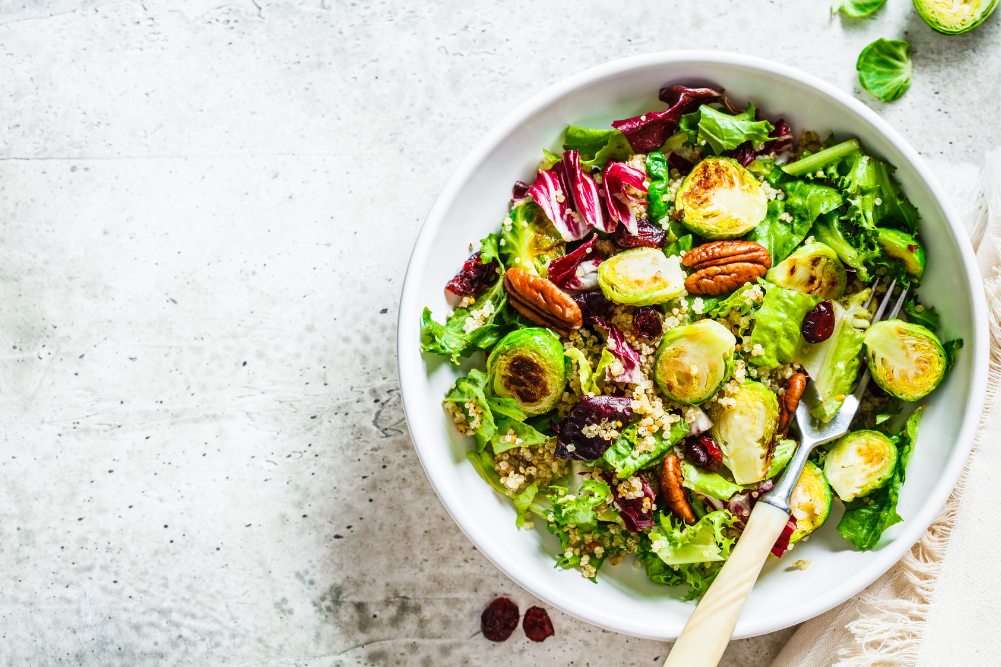
A delightful way to enjoy brassicas is by adding raw kale to salads. Gently massaging chopped kale for a few minutes with a little olive oil and lemon juice can help break down its tough fibres. You can also oven-bake a whole cauliflower, coated in spices, for a flavourful and satisfying dish. Cauliflower can also be transformed into a delicious gluten-free pizza base or “rice” to accompany curries and dals. Shredded cabbage is a fantastic addition to salads, or you can use it to make a healthy coleslaw. Brussels sprouts are at their best when pan-fried or roasted with spices and olive oil. Leafy brassicas like collard greens, mustard greens, and rocket can be tossed through salads for added texture and nutrients.
“Brassicas make an excellent addition to an anti-inflammatory diet to help alleviate inflammatory conditions such as asthma, rheumatoid arthritis and ulcerative colitis”.