A Brother’s Final Hours: The Tragic Story of a Toothache and a Hidden Diagnosis
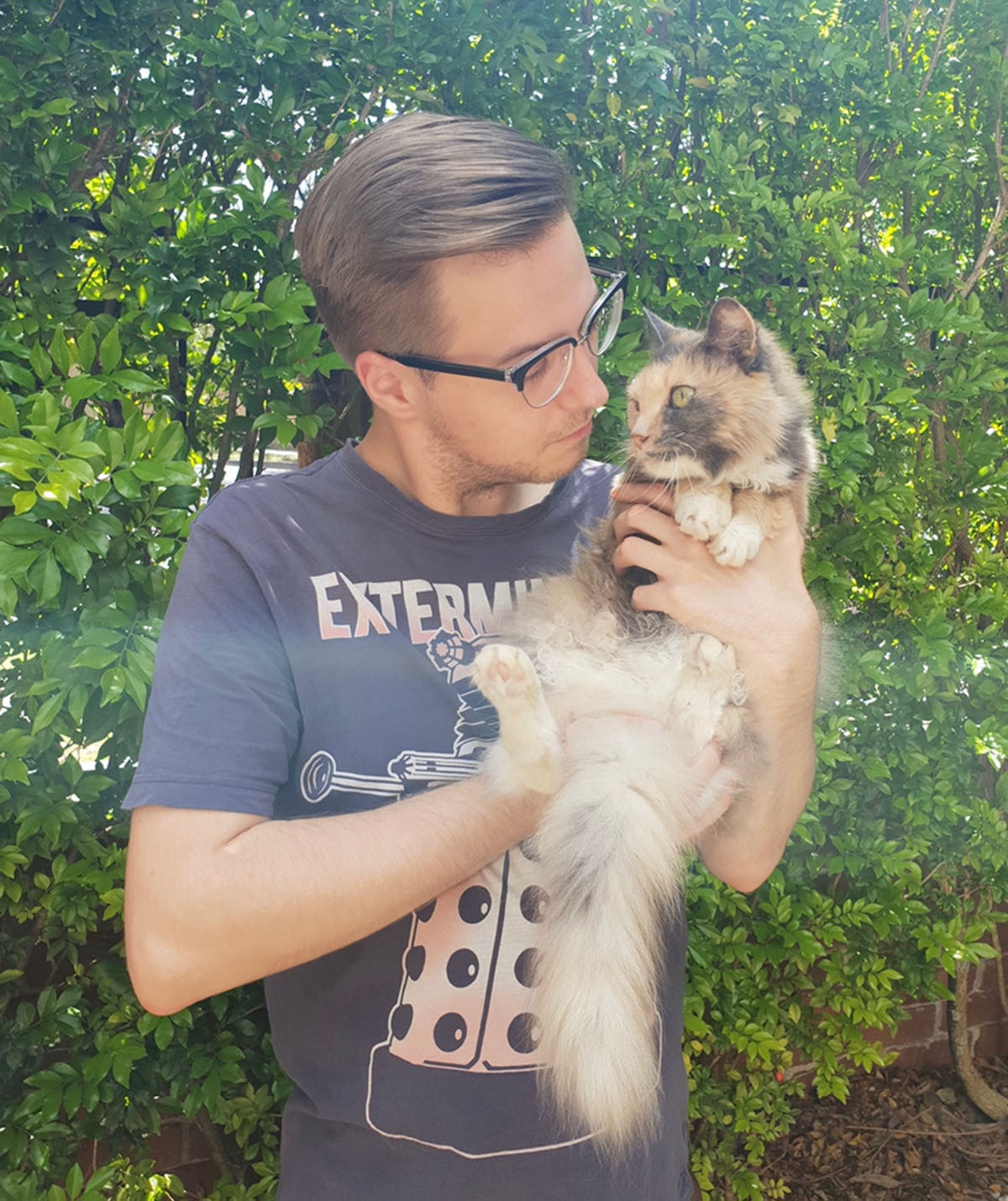
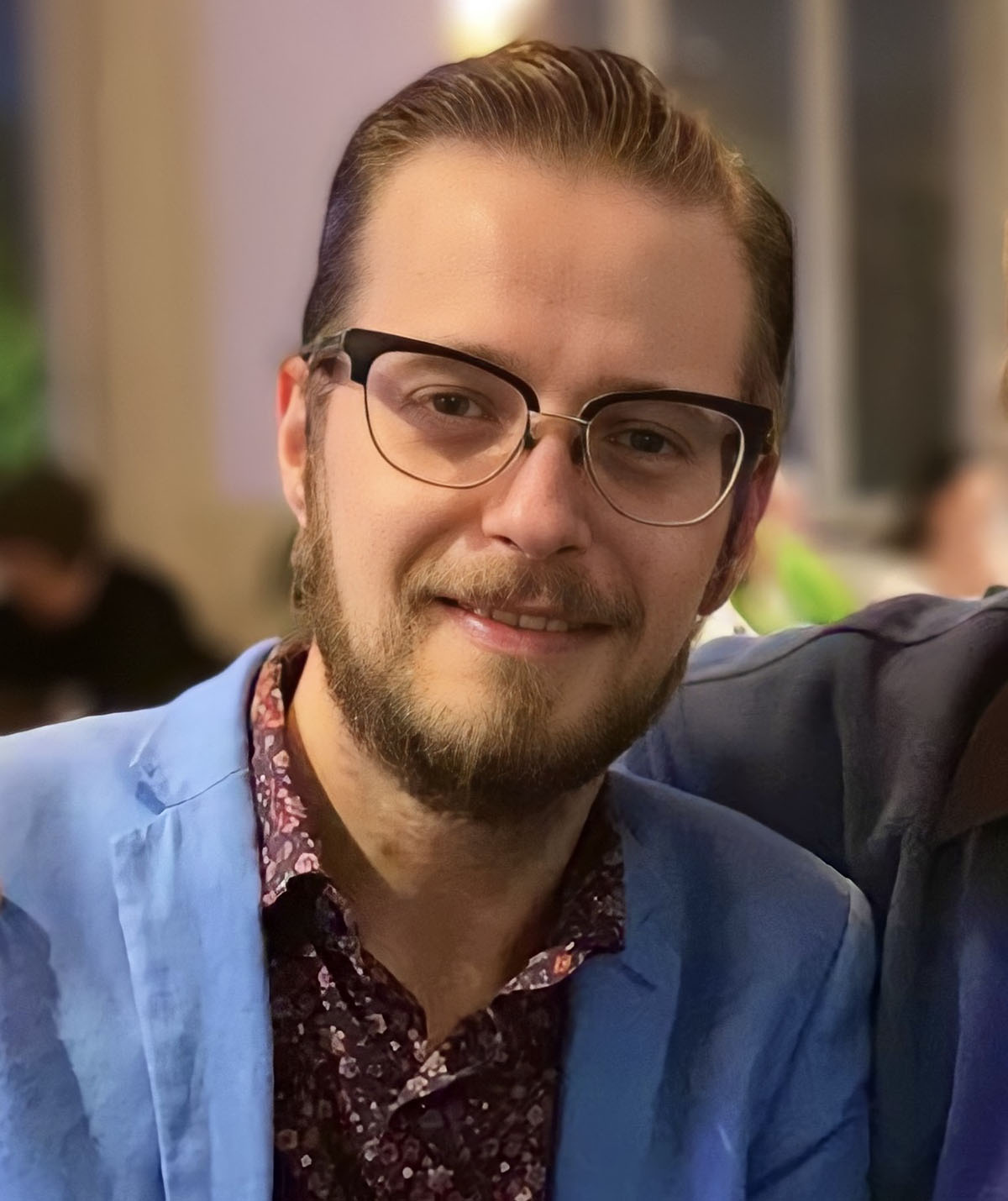
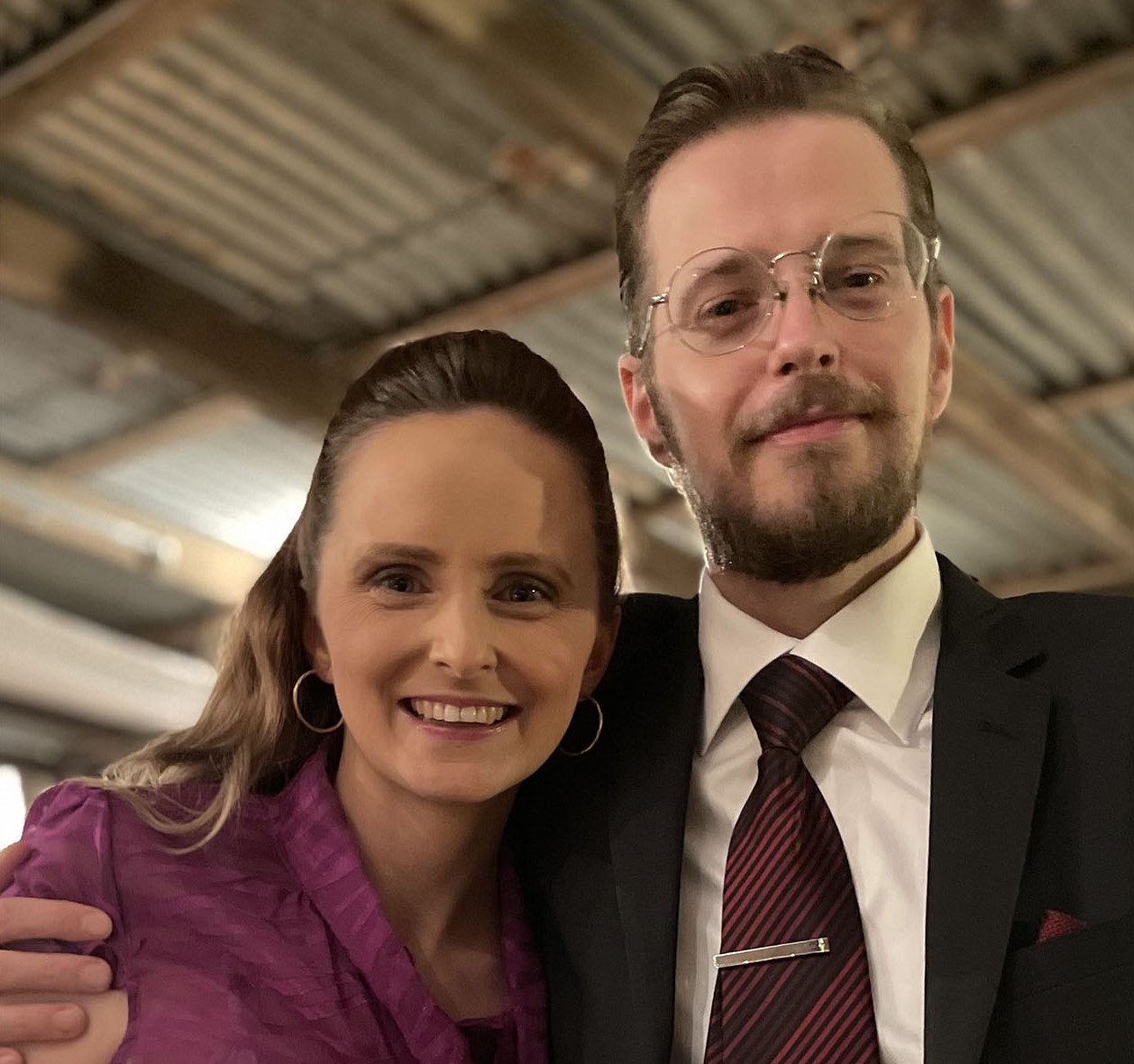
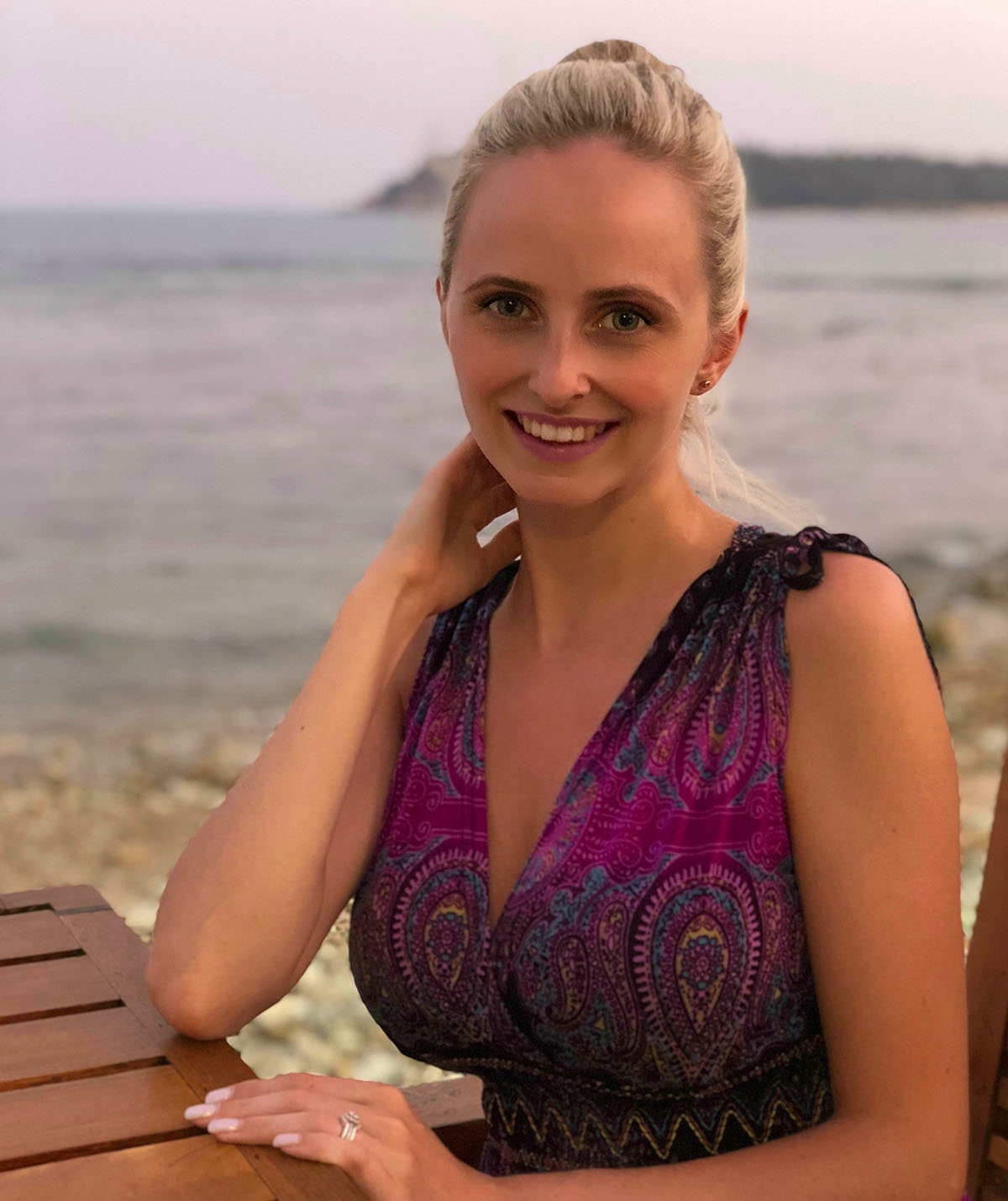
The bond between siblings can be one of life’s most enduring connections, a constant thread weaving through the tapestry of our lives. For Ally Valentine, this connection to her older brother, Bradley, was a source of comfort and strength, even as distance separated them. While Ally had made Perth, Western Australia, her home, Bradley remained in Sydney, New South Wales. Their lives, though geographically apart, were intrinsically linked by years of shared memories and an unwavering affection.
The last time Ally saw Bradley in person was in early 2022, during a work trip to Sydney. The visit, however, was tinged with a subtle unease. She immediately noticed a significant change in her brother; he had lost a considerable amount of weight during the COVID-19 pandemic. When Ally gently inquired, Bradley, ever the stoic, brushed it off, attributing the change to a shift in his lifestyle and reduced social interaction. He was enjoying his new role as a business analyst and, despite her concerns about his isolation, his characteristic dry humour seemed to resurface as they talked.
A few days later, back in Perth, Ally received a text from Bradley that sent a shiver down her spine. He mentioned being in “immense pain with an infection.” When Ally probed for details, his response was uncharacteristically sarcastic, asking, “What kind are there?” Her mother later revealed that Bradley had been suffering from a severe toothache, a pain so intense it radiated down to his jawbone. He had seen a dentist and was scheduled for an extraction.
The following morning, Sunday, July 17, 2022, Ally sent a text to check on him, assuming he was sleeping off the pain. When he didn’t respond, she initially reasoned that he was just resting. However, as the day wore on and her parents also reported no contact, a gnawing anxiety began to take hold. By Monday, the silence was deafening, and Ally’s fears escalated. “He wouldn’t sleep for over 24 hours. Do you think he’s died?” she confessed to her husband, Joseph, the dread a palpable weight in her chest. Joseph tried to reassure her, suggesting he might be in hospital, but Ally’s gut feeling was one of profound foreboding.
That evening, her worst fears were confirmed. Her father called, his voice trembling as he spoke about Bradley. The words, “He’s dead, isn’t he?” escaped Ally’s lips before he could even utter the confirmation. Her father sobbed, explaining that the police had just informed them. Bradley had been found deceased in his unit that day. He was only 33 years old.
The news sent shockwaves through the family. Ally and Joseph had recently welcomed their daughter, Mischa, into the world, and the thought that she would never know her uncle was a source of immense grief. The next day, Ally, her parents, and Joseph flew to Sydney, all still reeling from the devastating news. They met with Bradley’s manager, who had discovered him. She explained that Bradley was meant to be working from home but hadn’t logged on, prompting her to check on him. Thankfully, his door was unlocked. The thought of Bradley enduring excruciating pain and passing away alone was almost unbearable. How could a simple toothache have led to such a tragic outcome?
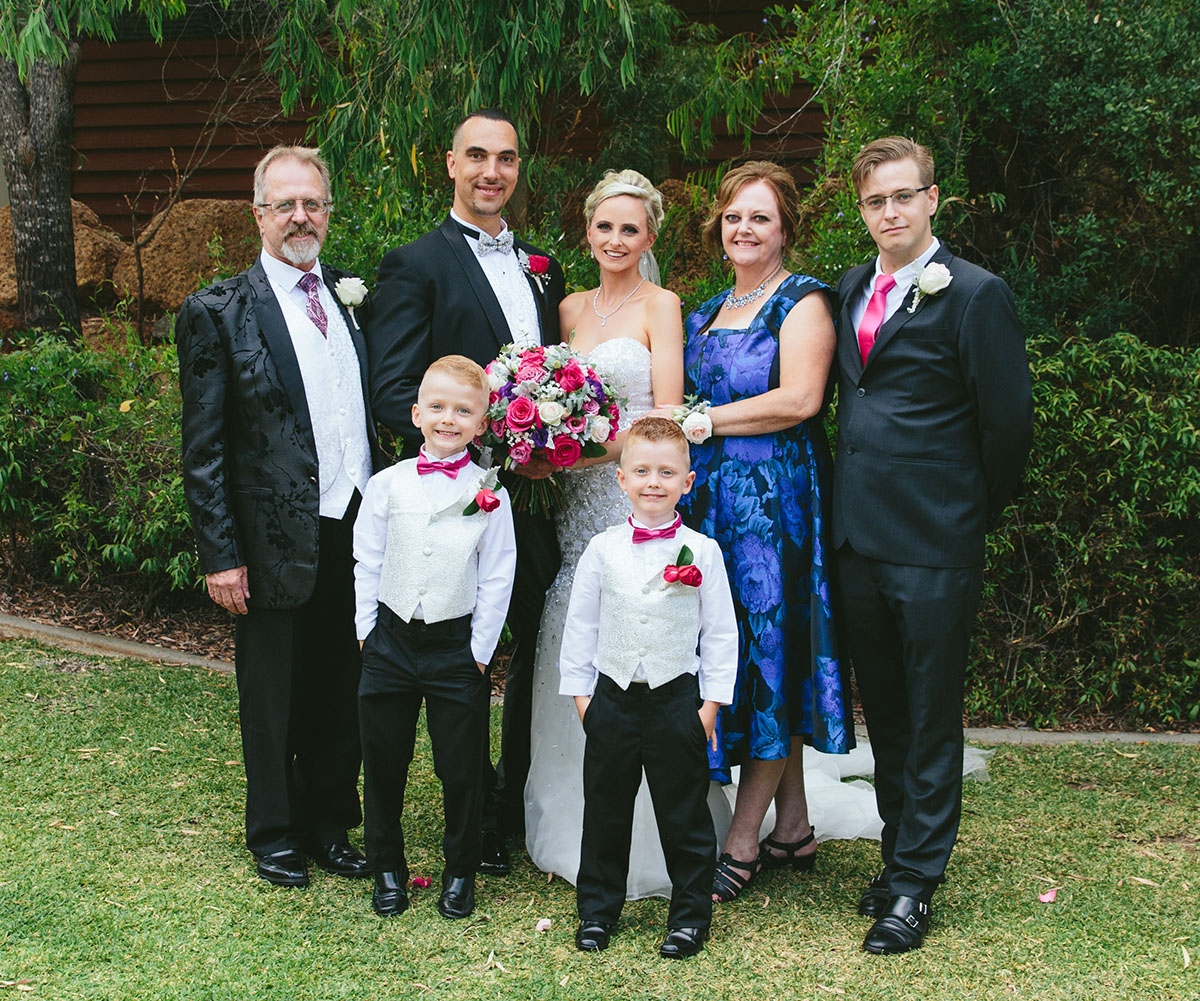
After the coroner’s examination, Bradley’s body was flown back to Perth for the funeral. The family was told that the coroner’s report could take up to six months, an agonizingly long wait for answers. Ally delivered a heartfelt eulogy, speaking for 45 minutes as loved ones shared their tributes to her brother. She urged them to remember Bradley’s spirit and not to succumb to despair, even though his loss was immeasurable.
Six months passed, and still, there was no word from the coroner. Ally persistently followed up with emails, but each response indicated that the report was not yet ready. In August 2023, more than a year after Bradley’s death, Ally sent another email, requesting any preliminary findings. The response was blunt: “The whole thing’s done,” accompanied by a PDF. While relieved to finally have some information, Ally was also frustrated by the lack of proactive communication from the authorities.
The contents of the report were shocking. Bradley’s cause of death was identified as diabetic ketoacidosis, a serious and potentially life-threatening complication of diabetes that occurs when the body produces too much blood acid. Tragically, Bradley had never been diagnosed with diabetes. The report further indicated that his tooth infection had been a significant contributing factor. Infections can trigger the release of hormones that interfere with insulin’s effectiveness, exacerbating diabetic ketoacidosis.
This revelation was met with disbelief by Ally’s parents. Her mother, who has type 2 diabetes herself, had never made a genetic connection. The report suggested that if Bradley had sought medical attention sooner for his tooth infection, his condition might have been more easily managed with insulin. However, his stoic nature and his adherence to COVID-19 health directives, which kept him isolated at home, meant he never sought the necessary medical intervention.
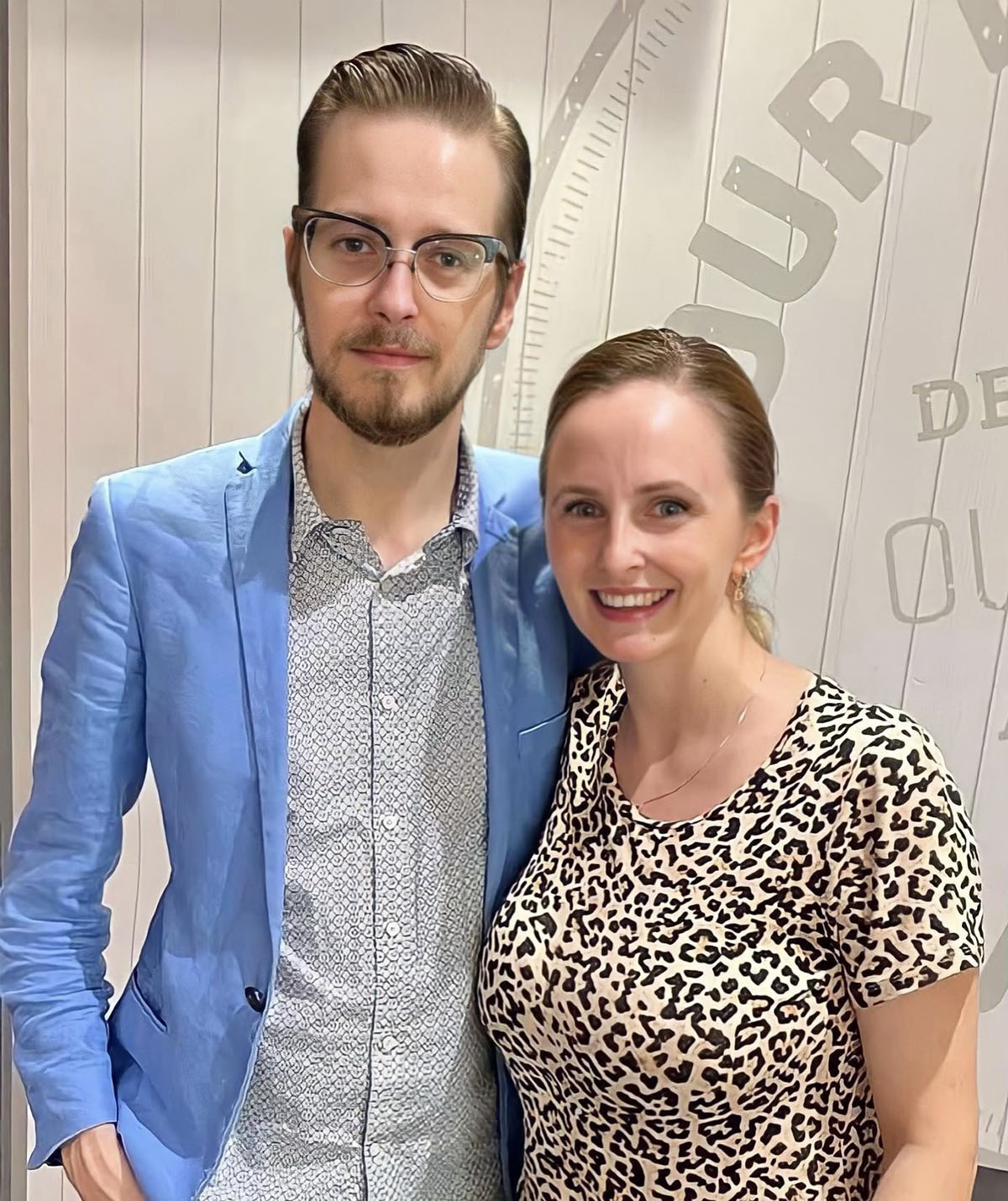
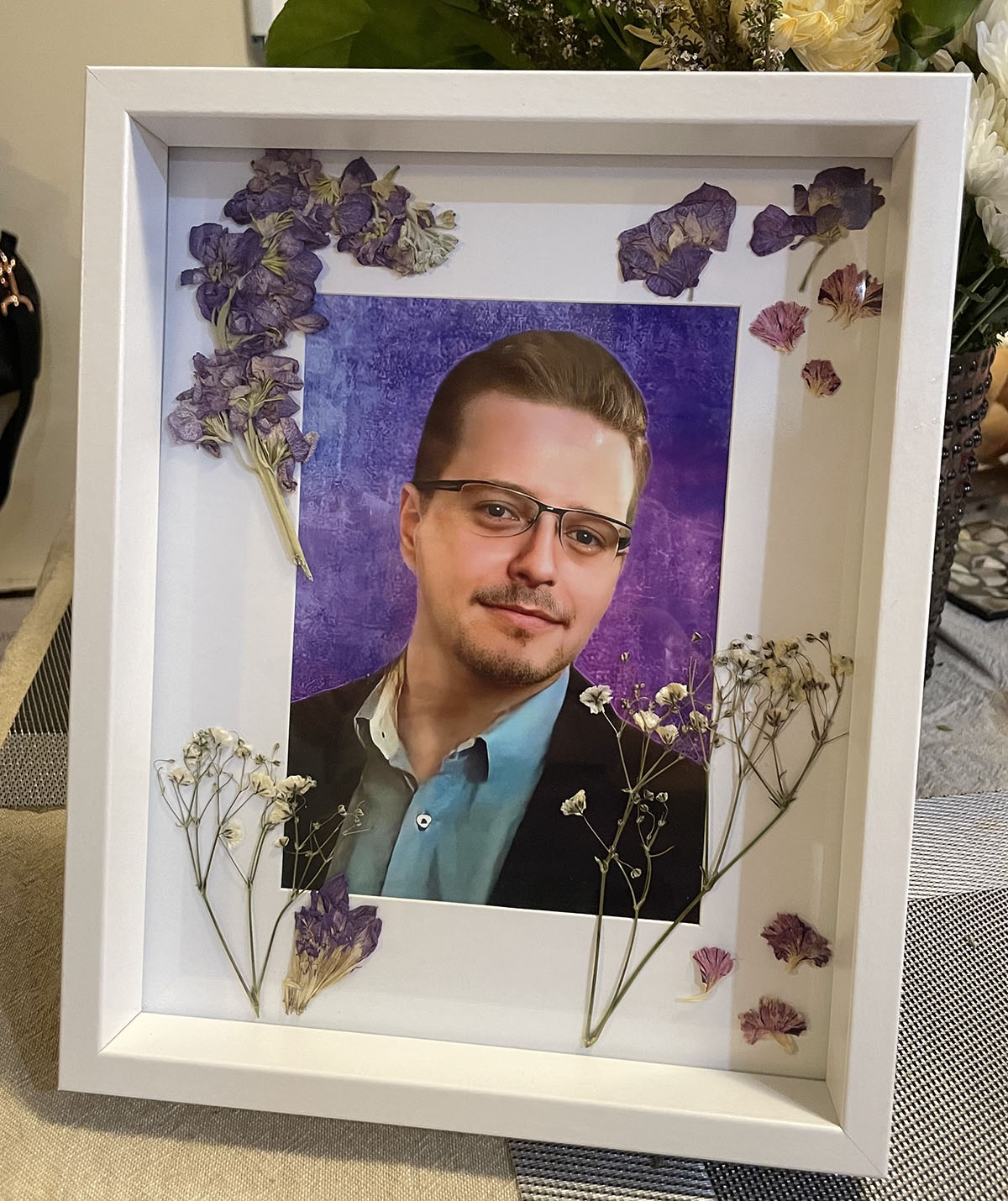
While the “what ifs” continue to haunt Ally and her family, the explanation for Bradley’s sudden passing has provided a measure of closure. In August of the previous year, Ally and Joseph welcomed another child, a son they named Joseph Bradley, in honour of his late uncle. At home, Ally has created a memorial shrine adorned with pictures of Bradley and holding his ashes. This space serves as a constant reminder for her children, ensuring they will always know and remember their Uncle Bradley. The greatest fear for Ally is not just the pain of her brother’s absence, but the possibility of him being forgotten.