Chery Eyes Large SUV Market Down Under, Building on Ute Ambitions
Chery, the burgeoning Chinese automotive giant, is reportedly considering a significant expansion into Australia’s popular large SUV segment, with a potential contender based on its upcoming dual-cab ute platform. While concrete plans remain distant, the prospect of a rugged, off-road capable SUV to rival established players like the Toyota Prado, Ford Everest, and Isuzu MU-X, as well as emerging models such as the GWM Tank 500, is firmly on the company’s radar.
Lucas Harris, Chery Australia’s Chief Operating Officer, hinted at the possibility, stating, “Never say never.” He elaborated, “I’d love to see a large SUV on that platform, but it’s, I think, much too soon to say at the moment.” This cautious optimism suggests that while the vision exists, Chery’s immediate focus lies in establishing a strong foothold in the Australian market with its inaugural ute offering.
The foundation for this potential SUV would be Chery’s new plug-in hybrid ute, codenamed KP31. This vehicle is slated for an Australian launch in the final quarter of 2026, initially featuring a diesel plug-in hybrid powertrain. A petrol plug-in hybrid variant is expected to follow in 2027. The diesel model is being positioned to compete directly with existing utes on its utility, boasting a one-tonne payload capacity, a 3500kg braked towing rating, and impressive off-road capabilities. The petrol variant, on the other hand, is envisioned as a more highway-oriented offering, potentially incorporating independent rear suspension to differentiate it from the typical live axle setup found in traditional utes.
A Logical Extension: Ute Platform to SUV Success
The development of a large SUV based on the ute’s platform would be a strategically sound move, mirroring the successful product strategies employed by manufacturers like Ford, Mitsubishi, and other established brands. By shortening the ute’s chassis, Chery could create a more compact and agile SUV, while retaining the inherent robustness and capability derived from its pick-up sibling.
However, Harris emphasised the importance of a phased approach. “Let’s get the fundamentals right first, and I think we’ve got a lot of work to do to earn our stripes in having a capable ute,” he remarked when discussing potential future derivatives of the KP31. “I’ve got no doubt the KP31 is going to do that for us, but let’s get some credibility there first before we start getting ahead of ourselves and focusing on dreams and ambitions.”
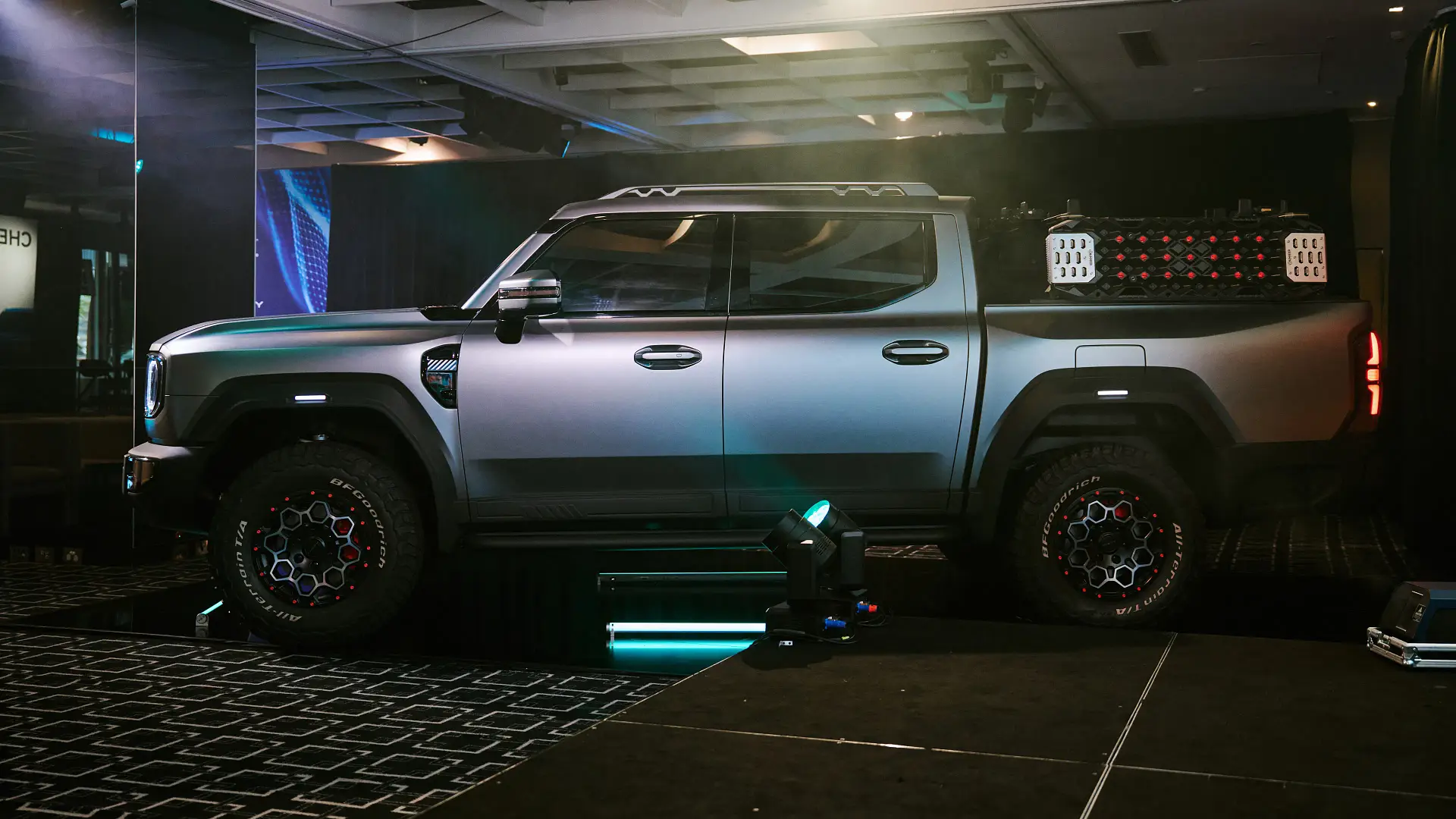
Innovative Design: The Convertible Ute-SUV Concept
Intriguingly, Chery is reportedly exploring a more innovative approach to its ute and SUV offerings, potentially developing a single vehicle capable of morphing between the two. Instead of two distinct models, the company is said to be working on a ‘monocoque’ pick-up that can be converted into a seven-seat SUV through the use of removable bodywork at the rear.
This concept suggests a highly versatile vehicle, appealing to a broader range of lifestyles and needs. “We’re certainly looking at it,” Harris confirmed regarding this unique proposition. “Obviously, our priority is if we’re going to launch with a ute … we want to make sure that we get it right first, so that’s why Chery’s put so much importance on having this style ute.”
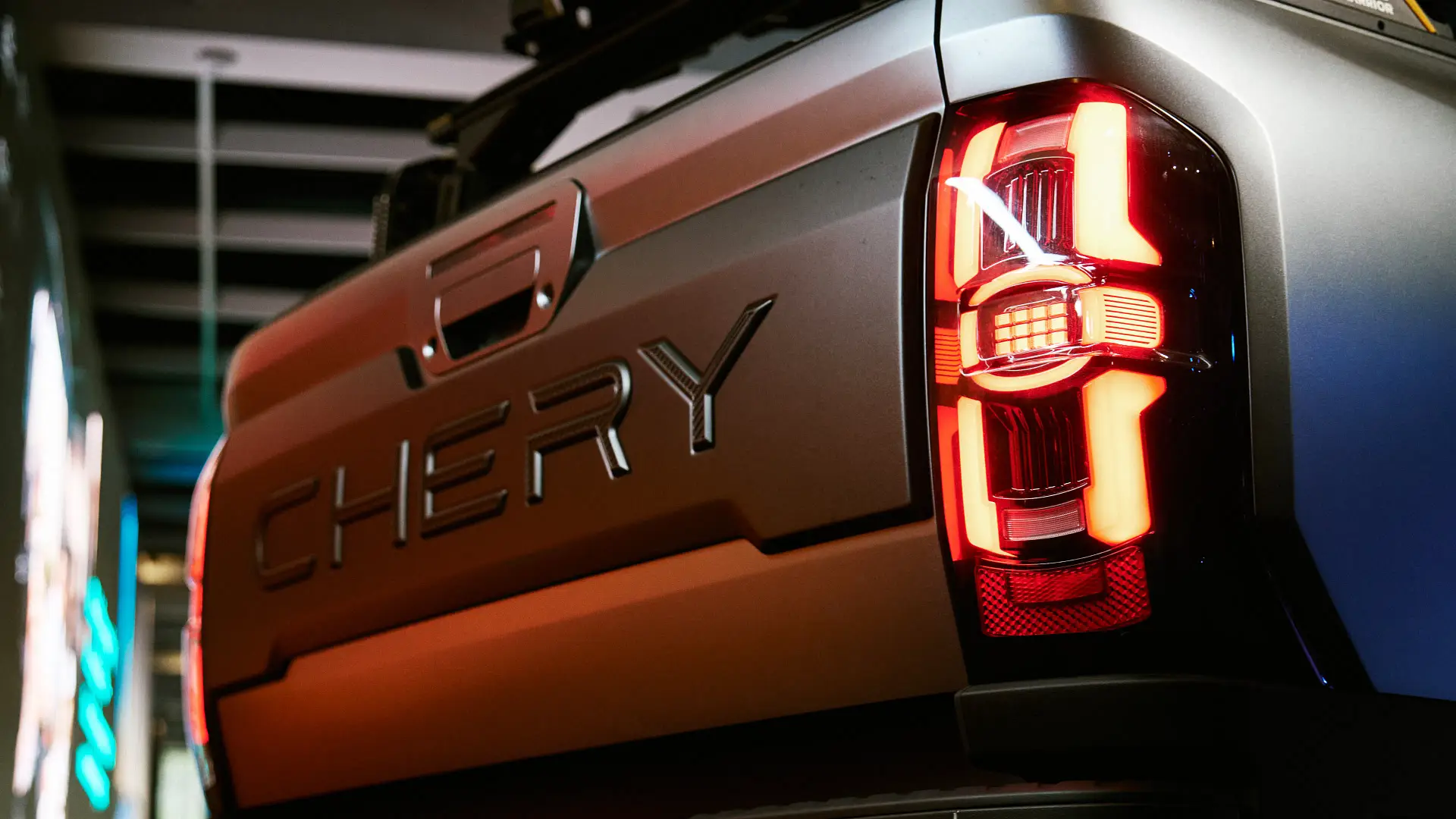
He further added, “Certainly the more lifestyle-focused monocoque [offering], I think has a place, it’s just not before this one.” This indicates that the convertible ute-SUV concept, while exciting, will likely follow the successful introduction of the traditional dual-cab ute.
Chery’s Australian Strategy: Building Credibility
The company’s cautious yet ambitious outlook for the Australian market underscores a strategic plan to build brand recognition and trust. By first introducing a highly capable and well-executed ute, Chery aims to establish its credentials in a competitive segment. Success in this initial phase will pave the way for further diversification, including the potential introduction of a large, family-oriented SUV.
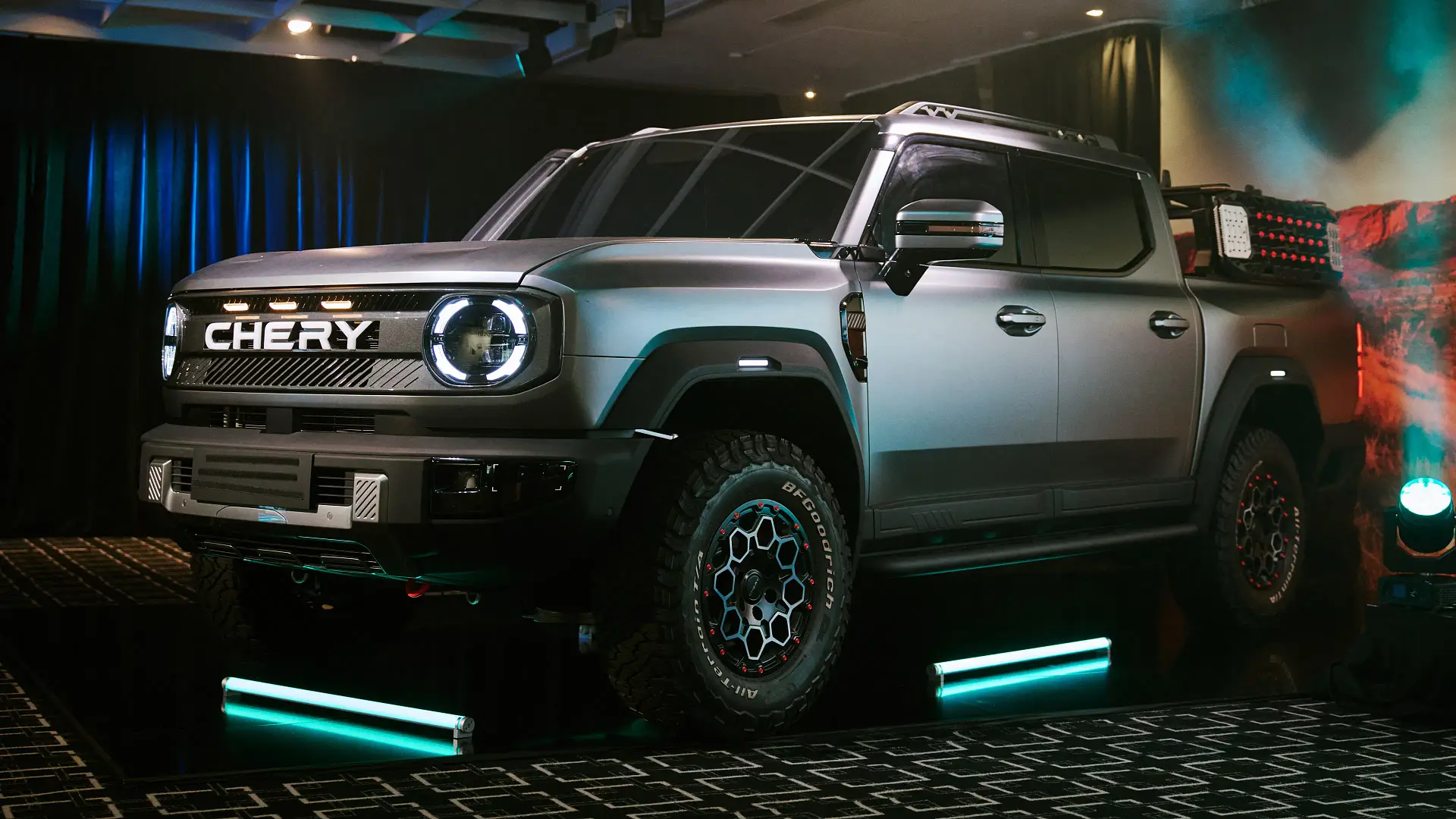
Chery’s commitment to stringent safety standards, including support for tougher 2026 ANCAP safety criteria, further signals its long-term intentions for the Australian market. The company’s investment in developing advanced powertrains, such as plug-in hybrids, also positions it to meet evolving consumer demands and environmental regulations. The Australian automotive landscape is closely watching Chery’s progress, anticipating how this new entrant will challenge established norms and carve out its niche. The prospect of a Chery SUV that can take on the likes of the Prado and Everest, potentially with unique modularity, adds another layer of intrigue to the evolving automotive scene Down Under.