A Controversial Response to the Death of a Former FBI Director
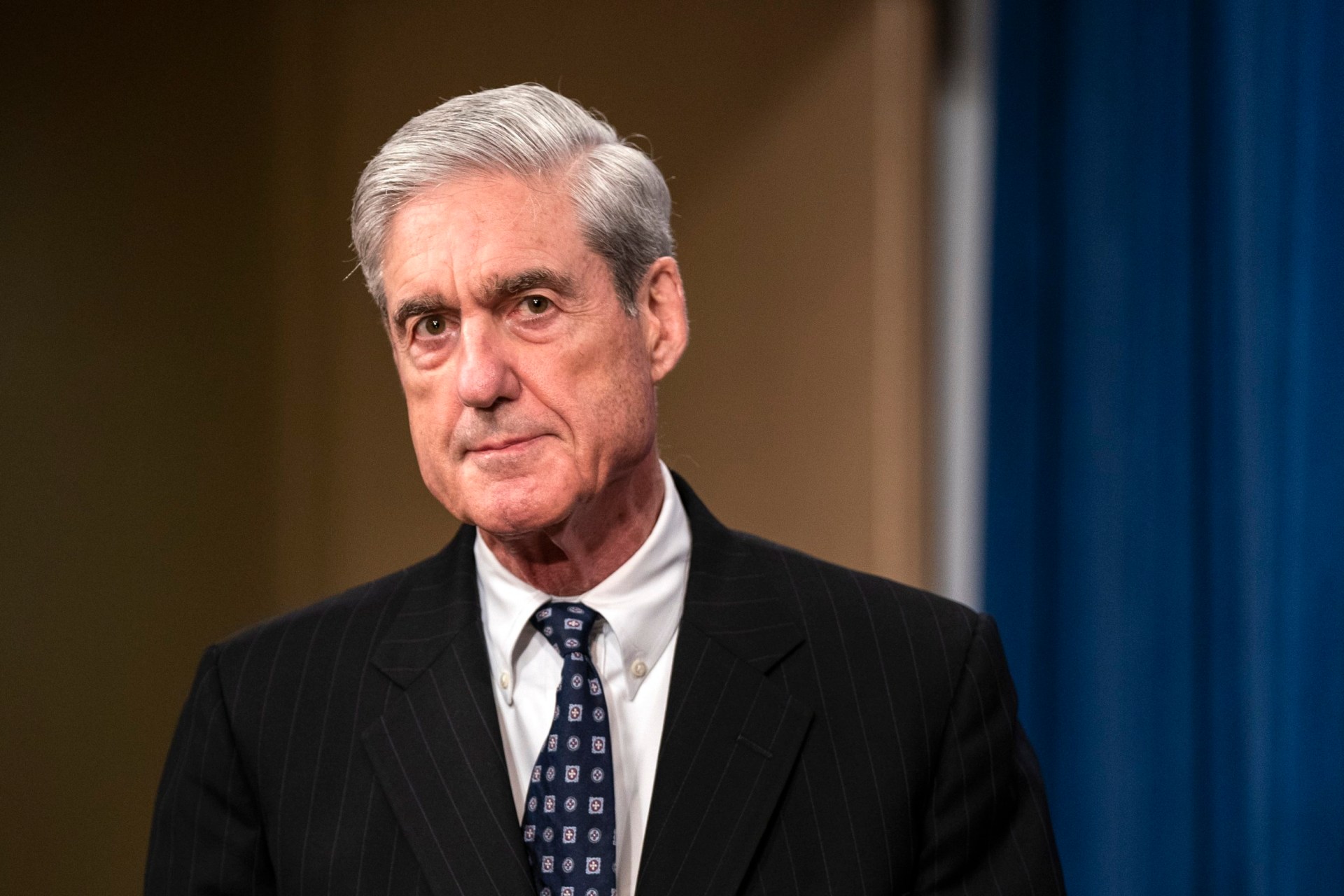
Donald Trump has drawn widespread criticism for a comment made on his Truth Social platform regarding the death of Robert Mueller, the former head of the FBI who led the investigation into Russian interference in the 2016 U.S. presidential election.
On Friday, it was announced that Mueller, who passed away at the age of 81, had died after a long battle with illness. His cause of death has not been disclosed publicly. Hours later, Trump took to his social media platform to post: “Robert Mueller just died. I’m glad he’s dead. He can no longer hurt innocent people!”
The statement sparked immediate backlash from political figures and the public alike. Senate Minority Leader Chuck Schumer condemned the remark, stating:
“The cruelty is the point. Trump’s goal is to distract you from rising gas prices, his aimless war, ICE abuses, and the Epstein files. Don’t give him what he wants. And may Robert Mueller, a US Marine and lifelong public servant, rest in peace.”
A spokesperson for Mueller’s family released a statement expressing their grief and requesting privacy during this difficult time.
“With deep sadness, we are sharing the news that Bob passed away. His family asks that their privacy be respected.”
Michael Steele, former chairman of the Republican National Committee, also criticized Trump on X (formerly Twitter), calling him “a vile disgusting man” and accusing him of lacking moral integrity.
“Petty and pathetic, you are a hypocrite who reeks of weakness and insecurities with no moral core. Regardless of politics, the American people should be embarrassed and ashamed for ever having entrusted you with leadership. God rest Robert Mueller.”
The Legacy of Robert Mueller
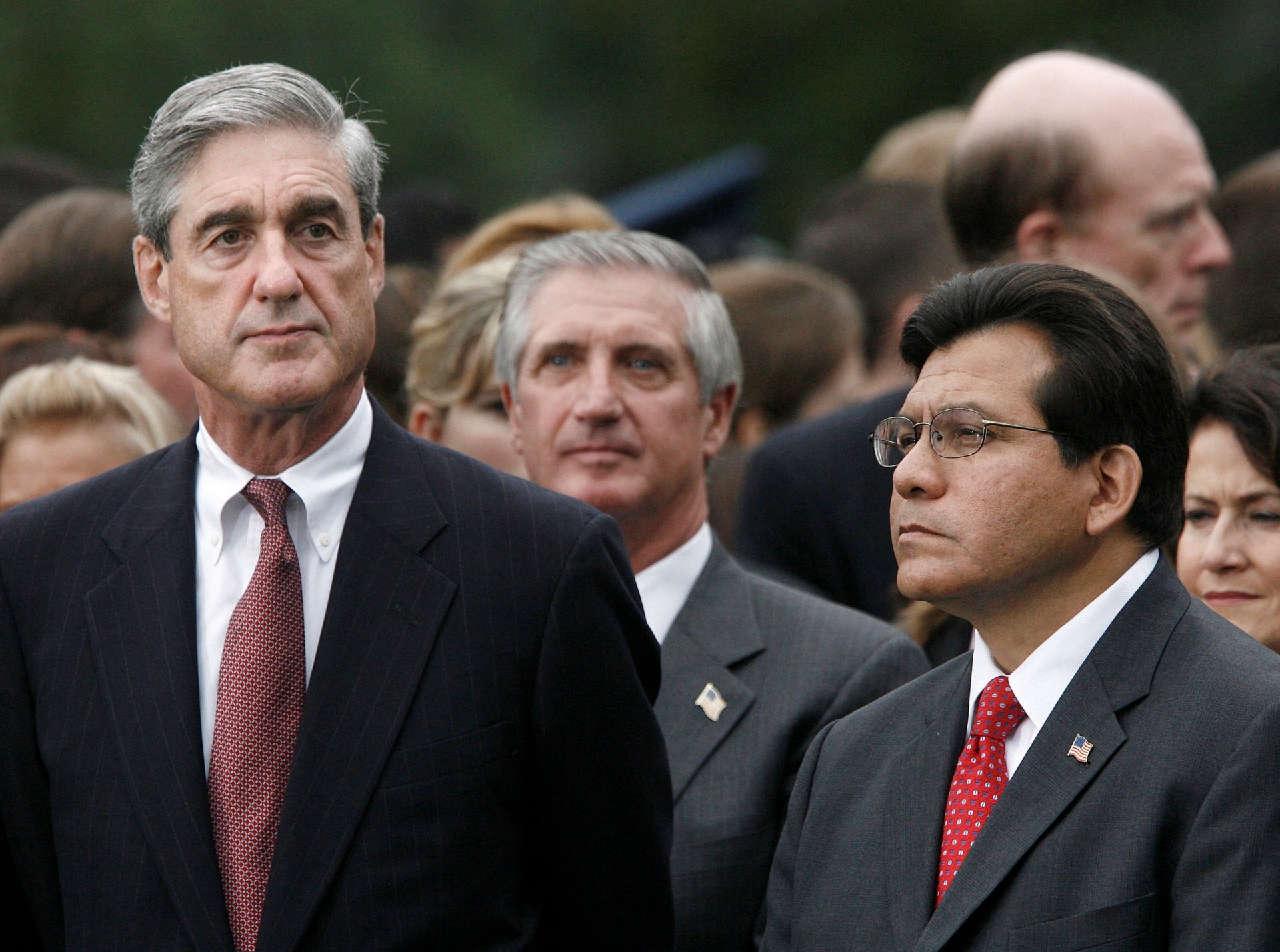
Mueller served as the director of the FBI from 2001 to 2013, a period that included the aftermath of the September 11 attacks. His tenure was marked by significant changes in the bureau’s focus, shifting from domestic crime to counterterrorism efforts. This transition posed immense challenges, as the FBI was tasked with preventing terrorism, even if it meant stopping 99 out of 100 potential plots.
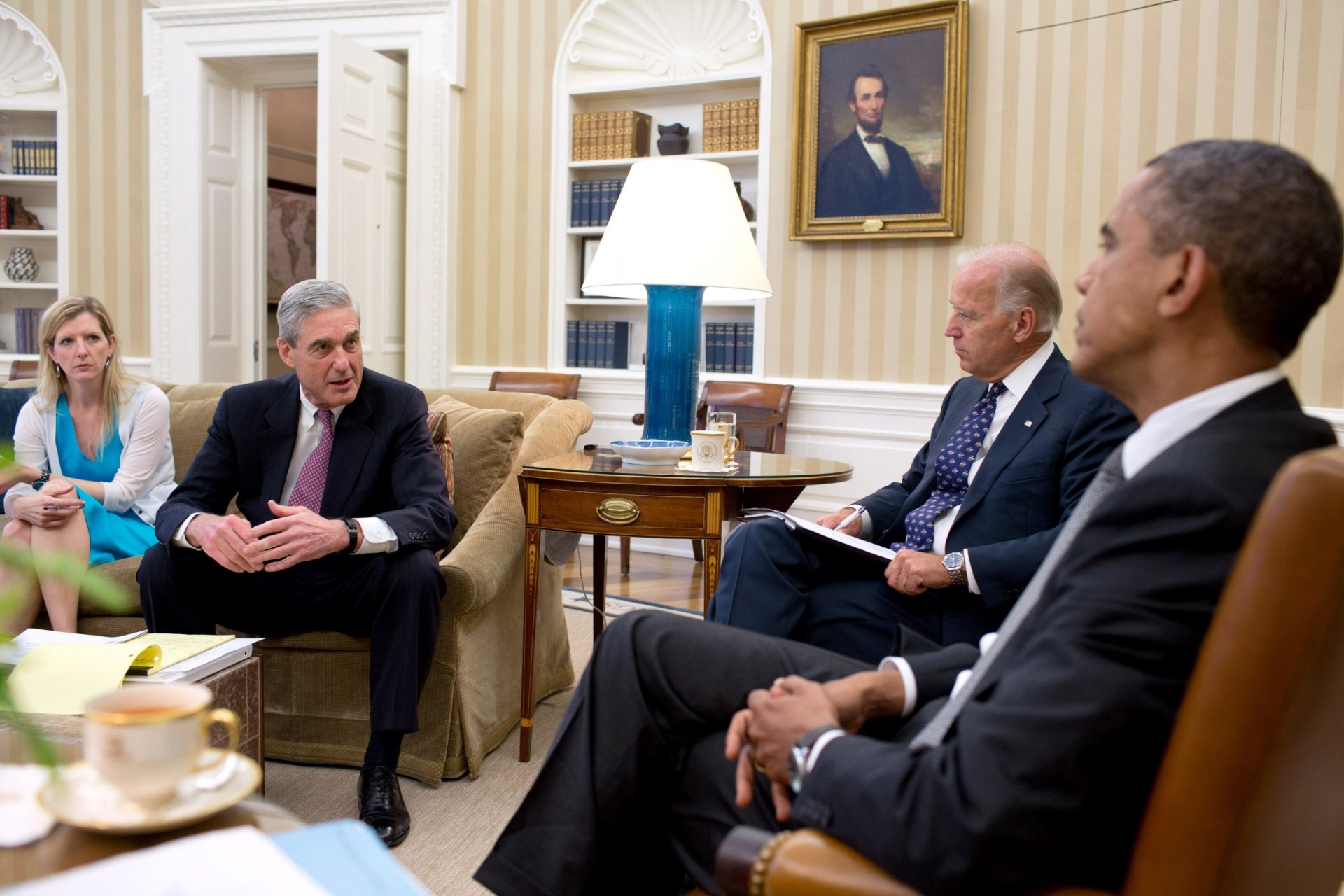
Later, Mueller was appointed as special counsel in the Justice Department’s investigation into whether the Trump campaign colluded with Russia during the 2016 election. As the second-longest-serving FBI director in history, behind only J. Edgar Hoover, Mueller held the position until 2013 after agreeing to stay on at the request of President Barack Obama.
After several years in private practice, he returned to public service in 2017 when Deputy Attorney General Rod Rosenstein asked him to lead the investigation into the Trump-Russia connection. His team spent nearly two years conducting one of the most consequential investigations in Justice Department history, though they remained largely silent in public.
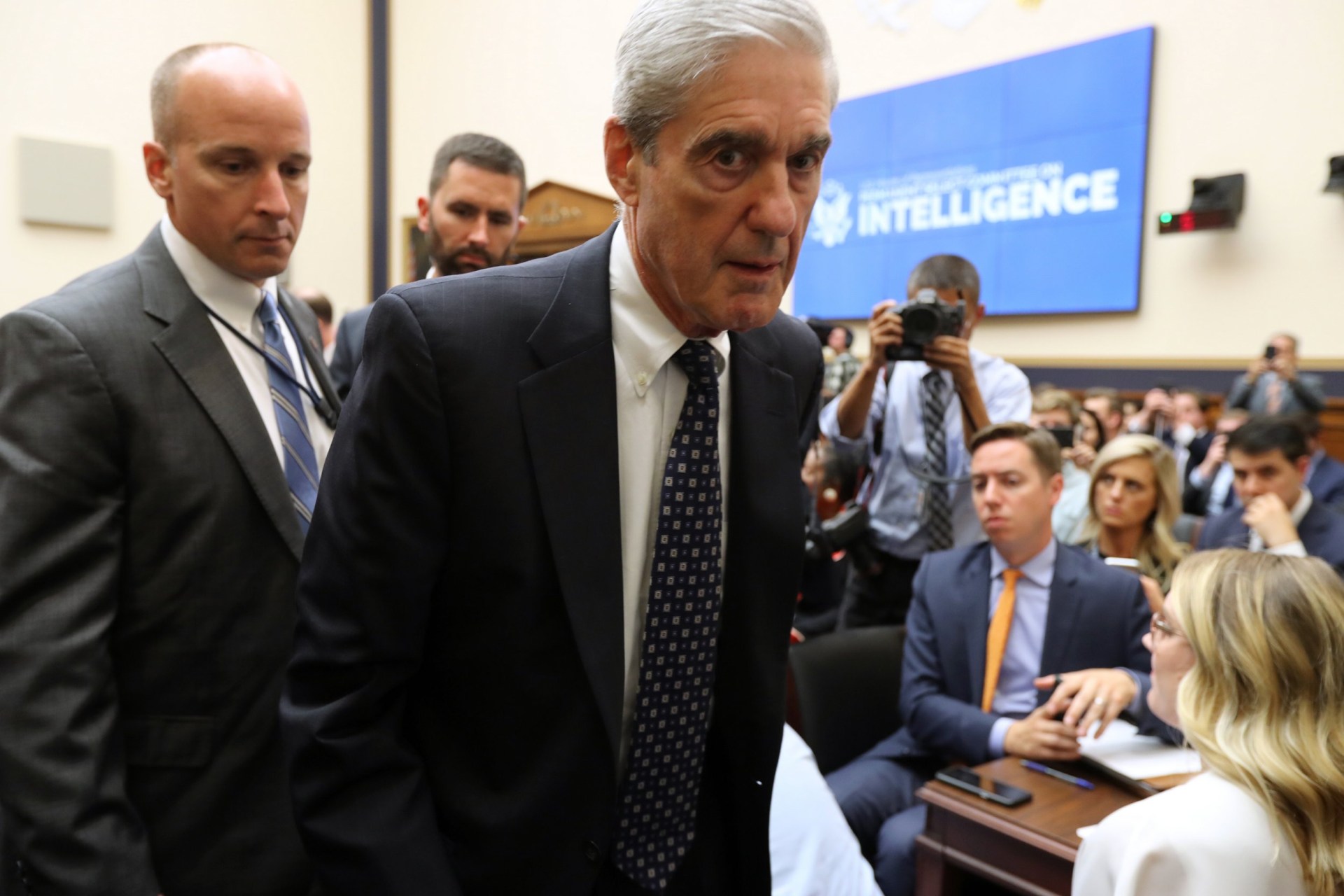
Despite intense scrutiny and criticism from Trump and his supporters, Mueller did not hold any press conferences or make public appearances during the investigation. Instead, his team brought criminal charges against six of Trump’s associates, including his campaign chairman and first national security adviser.
The final report, released in April 2019, detailed extensive contacts between the Trump campaign and Russia but did not find evidence of a criminal conspiracy. It also highlighted Trump’s attempts to obstruct the investigation, though Mueller declined to determine whether the president had broken the law due to department policy.
“If we had confidence after a thorough investigation of the facts that the president clearly did not commit obstruction of justice, we would so state. Based on the facts and the applicable legal standards, we are unable to reach that judgment.”
A Career of Public Service
Mueller’s career was defined by a commitment to public service. Born in New York City, he grew up in a well-to-do suburb of Philadelphia. He earned a bachelor’s degree from Princeton University and a master’s in international relations from New York University before joining the Marines. During the Vietnam War, he served for three years as an officer, leading a rifle platoon and earning multiple military honors, including a Bronze Star, Purple Heart, and two Navy Commendation Medals.
After his military service, Mueller pursued a law degree from the University of Virginia and went on to become a federal prosecutor. He rose through the ranks in U.S. attorneys’ offices in San Francisco and Boston, eventually becoming head of the Justice Department’s criminal division in Washington. There, he oversaw high-profile prosecutions, including cases against Panamanian dictator Manuel Noriega and New York crime boss John Gotti.
In a surprising mid-career move, Mueller left a prestigious Boston law firm to join the homicide division of the U.S. attorney’s office in Washington, where he worked on unsolved drug-related murders in a city plagued by violence.