
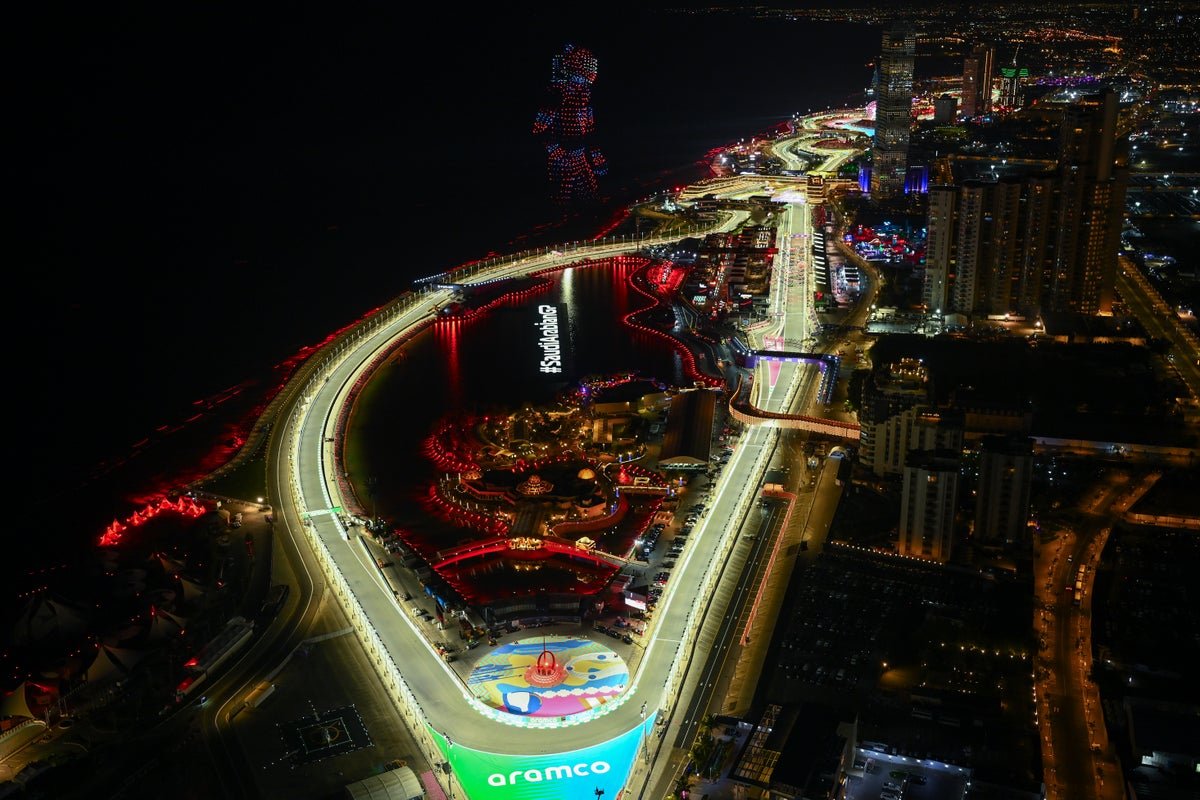
Formula 1 has made the significant decision to cancel its upcoming Grand Prix events in Bahrain and Saudi Arabia, citing escalating tensions in the Middle East region. The cancellations come as concerns grow over recent security incidents in the area.
The decision impacts two key fixtures on the 2026 calendar: the Bahrain Grand Prix, scheduled for the Sakhir circuit just south of Manama on 12 April, and the Saudi Arabian Grand Prix in Jeddah, slated for a week later on 19 April. The announcements were made mere hours before the scheduled Chinese Grand Prix, highlighting the rapid and impactful nature of the situation.
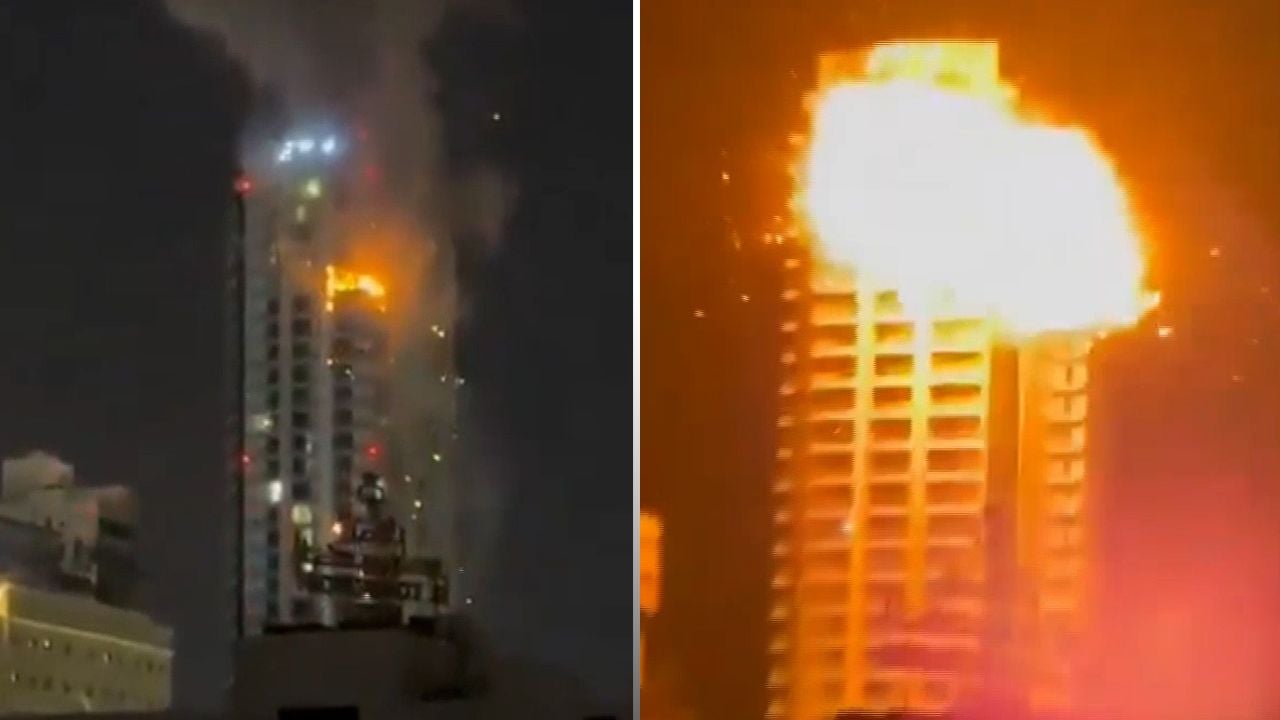
Recent events have underscored the volatile security landscape. Bahrain’s capital, Manama, has reportedly been targeted by Iranian missiles, and locations within Saudi Arabia have also faced attacks. Just recently, the state-owned Bahrain News Agency reported that 32 individuals sustained injuries near Manama following an Iranian drone attack.
The last-minute nature of these cancellations has presented considerable logistical challenges for Formula 1. While speculation had arisen regarding potential replacement venues, with circuits in Italy, Turkey, and Portugal mooted for a mid-April slot, the complexities involved in organising such a rapid switch proved insurmountable. As a result, the sport will now face a substantial five-week hiatus between the Japanese Grand Prix on 29 March and the Miami Grand Prix on 3 May.
The Official Stance: Safety First
Formula 1 President and CEO, Stefano Domenicali, addressed the decision, stating: “While this was a difficult decision to take, it is unfortunately the right one at this stage considering the current situation in the Middle East. I want to take this opportunity to thank the FIA as well as our incredible promoters for their support and total understanding as they were looking forward to hosting us with their usual energy and passion. We cannot wait to be back with them as soon as the circumstances allow us to do so.”
Echoing these sentiments, FIA President Mohammed Ben Sulayem emphasised the paramount importance of safety: “The FIA will always place the safety and well-being of our community and colleagues first. After careful consideration, we have taken this decision with that responsibility firmly in mind. We continue to hope for calm, safety and a swift return to stability in the region, and my thoughts remain with all those affected by these recent events.”
Rescheduling and Replacement: A Complex Equation
Formula 1 has explicitly stated that no direct replacements will be made for the cancelled April races. This means the calendar will proceed without substitutions for that month. While the possibility of rescheduling these specific races for later in the year has been raised, sources suggest that any such rearrangement is unlikely given the existing calendar constraints and practical considerations.
Rescheduling events in the Middle East later in the year presents significant logistical hurdles. The region experiences extreme heat during the European summer and autumn months, rendering racing conditions impractical and potentially unsafe.
Furthermore, the current Formula 1 calendar is tightly packed, with little flexibility for accommodating postponed races. The sport is keen to maintain its traditional August break and avoid overburdening teams with an increasingly demanding schedule.
Various alternative circuits, including Imola in Italy, Le Castellet in France, Portimao in Portugal, and Istanbul Park in Turkey, were discussed as potential stand-ins. However, the immense logistical undertaking required to relocate the entire Formula 1 operation – encompassing teams, personnel, equipment, and support staff – even with substantial advance notice, proved too complex to manage. Promoters at these potential venues would also face considerable challenges in selling tickets within a limited timeframe to recoup hosting fees, alongside the intricate organisation of marshals, security, and transportation.
The Financial Ramifications of Cancellation
While official figures remain unconfirmed, the cancellation of both the Bahrain and Saudi Arabian Grand Prix is estimated to result in a financial loss of approximately £100 million for Formula 1.
The sport stands to miss out on substantial hosting fees, which are a significant revenue stream. It is understood that Saudi Arabia, along with Qatar, pays some of the highest hosting fees in the world, estimated at around £55 million ($72 million) per race. Bahrain, which holds the distinction of hosting the first-ever Formula 1 race in the Middle East in 2004, reportedly pays an estimated £45 million ($60 million) for its Grand Prix.
Beyond the direct financial contributions, both Bahrain and Saudi Arabia have deep-rooted connections to Formula 1. Bahrain is a significant stakeholder in the McLaren team, while Saudi Arabia is a major sponsor and investor through its state-owned oil company, Aramco.
A historical precedent for cancellation without replacement exists. The 2011 Bahrain Grand Prix was called off due to political unrest in the kingdom. Despite initial considerations for rescheduling, the proposed late October date was met with objections from the teams, and the race was ultimately not reinstated. At the time, Formula 1’s commercial supremo, Bernie Ecclestone, confirmed that Bahrain had still paid its hosting fee, regardless of the cancellation. It remains to be seen whether the Bahrain and Saudi Arabian promoters will adopt a similar approach to their hosting fees in light of the current circumstances.
The decision to cancel these races, while regrettable, underscores the evolving priorities within Formula 1, with safety and geopolitical stability now taking precedence over scheduling and commercial imperatives. The sport’s commitment to ensuring the well-being of its participants and fans remains paramount as it navigates these challenging times.


