The escalating cost of living and ongoing fuel price hikes are forcing Australian families in regional and remote areas to make heartbreaking decisions about their children’s education. For many, the daily commute to school, let alone the significant journeys at the start and end of term, is becoming an untenable financial burden.
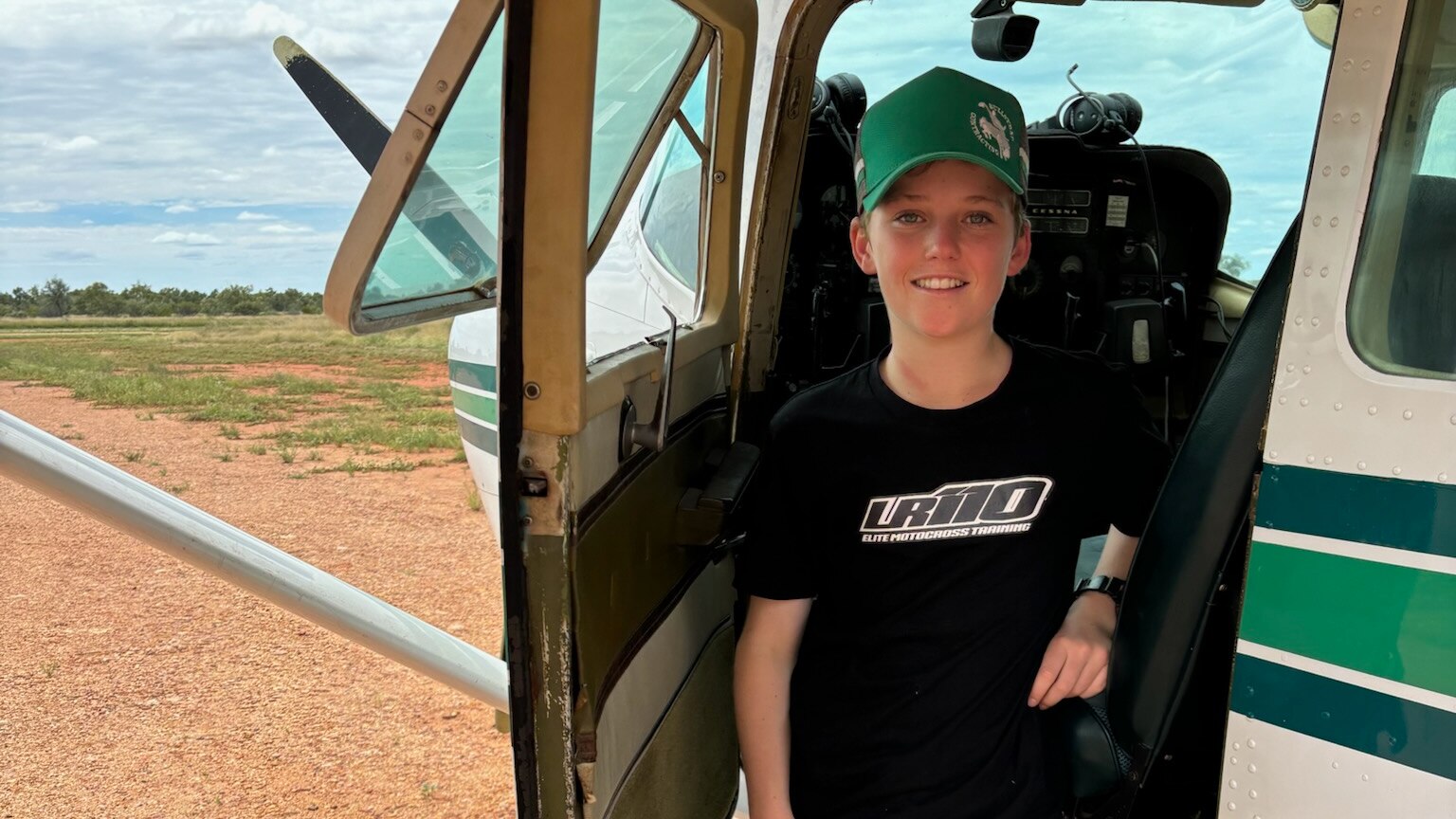
Amber Driver, a grazier from a remote cattle station, is grappling with the reality of her son Ruben’s 4,000-kilometre round trip to his boarding school in Adelaide. Normally, this involves a 400km drive to Alice Springs, followed by a flight or bus journey. However, recent flooding has rendered the roads impassable, leaving only air travel as an option. This, coupled with the near doubling of diesel prices since last year, is creating immense pressure. Ms. Driver estimates that travel costs for school could increase by a staggering 50 to 100 per cent.
“The cost of travel to and from places of education are equal to or greater than boarding school fees,” she stated, highlighting the severity of the situation. This financial strain means families might not see their children for up to 11 weeks, a significant emotional toll on both parents and students. The sacrifices demanded by remote living and education are immense, impacting family dynamics and weighing heavily on parents’ hearts.
Ms. Driver, a member of the federal council of the Isolated Children’s Parents’ Association, voiced widespread concern among families about access to fuel. “We’re not guaranteed that we will be able to make those trips backwards and forwards to our places of education,” she explained. “There needs to be some significant assurances for people in rural and remote Australia that we can access the fuel that we need to have our children get education.”
Teachers Facing Similar Challenges
The impact of rising fuel costs isn’t confined to parents of boarding students. In the central-west of New South Wales, Blayney school teacher Cath Hudson faces a daily 60-kilometre round trip to work, with no public transport options available. This necessitates refuelling her car every second day.
The financial pressure is so significant that the school has considered reverting to online learning for a fortnight to alleviate the burden on teachers and families. “There needs to be a stopgap. I think they need to put something in place and be proactive,” Ms. Hudson urged. She fears that at $5 a litre, the cost of fuel will become insurmountable for many. “If we end up at $5 a litre, it’s really going to hurt people’s pockets. [Teachers] will have to make the decision of actually, I can’t afford to go to work.”
The consequences are already being felt. Some students have been unable to attend school, while others have missed vital driving lessons for their licenses. Even essential services, like deliveries of wood for heating homes, are being disrupted.
Government Support and Calls for Expansion
The New South Wales government offers a School Drive Subsidy program, providing families in areas with limited public transport with 74 cents per kilometre. However, Member for Cootamundra Steph Cooke acknowledged that this rebate is no longer sufficient. Many parents in regional areas undertake 100-kilometre round trips twice daily to get their children to and from school.
“That is putting tremendous strain on a family budget just to get their child to and from school,” Ms. Cooke stated. She believes the rebate needs to be increased to reflect current fuel prices and the potential for fuel shortages. “It is more important than ever that we support our children … so they aren’t left in a situation where it is school from home or nothing,” she added, emphasizing that parents should not be forced to choose between fuel costs and their child’s education.
Ms. Cooke also suggested that the subsidy could be temporarily extended to include other essential workers in regional communities, such as teachers, nurses, and police officers. “In city and urban areas, there are public transport options, there are a lot more fuel stations,” she noted. “In many of our rural and regional areas there are only one or two fuel stations in town and this has big impacts.”
While acknowledging she is not alone and can currently manage the expenses, Ms. Hudson feels disadvantaged compared to her “city cousins.” “We’ve got a lot further to travel, so if people are travelling for an hour in Sydney, I know that’s due to traffic, mine’s due to distance,” she explained. She praised the resilience of students but warned that it has limits. “The students are incredibly resilient, but your resilience only holds up for so long … people are already carpooling … people are trying to do this as sensibly as they can.” The current situation demands urgent attention and innovative solutions to ensure equitable access to education for all Australian children, regardless of their geographical location.