

Proposed Green Party Policies Spark Outcry Over Animal Welfare and Ownership
Proposed policy changes by the Green Party have ignited a fiery debate, with critics labelling them as “killjoy” measures that would impose significant burdens on pet owners and potentially shutter beloved wildlife attractions. At the heart of the controversy are plans to introduce a comprehensive dog licensing system and a radical overhaul of zoo operations, aiming to prioritise animal welfare and conservation above all else.
A New Era for Dog Ownership?
The Green Party’s policy documents outline a vision for a more regulated approach to dog ownership, including the reintroduction of licences. This proposed “two-tiered” system would differentiate between professional dog breeders and individuals who own dogs as pets. While specific costs are yet to be detailed, the intention is to implement stricter controls and potentially higher fees for those involved in breeding.
This move signals a significant departure from the current landscape in the UK, where dog licences were abolished in 1987. While mandatory microchipping has been in place since 2016, the Greens argue for a more robust licensing framework to ensure responsible pet ownership. For context, countries like Ireland already have established licensing policies, with owners facing either a substantial one-off payment or annual fees.
The party’s stance, as articulated in their policy documents, is clear: “The Green Party is opposed to the wholesale breeding, manipulation and destruction of those animals who are chosen as companions to the human race. We will introduce measures to regulate the care and conditions for such animals including a two-tier system of dog-licensing [breeding and non-breeding], licensing of all animal breeders and dog owners.” This suggests a comprehensive approach aimed at improving the welfare of companion animals throughout their lives.
Zoos Under Scrutiny: Conservation or Captivity?
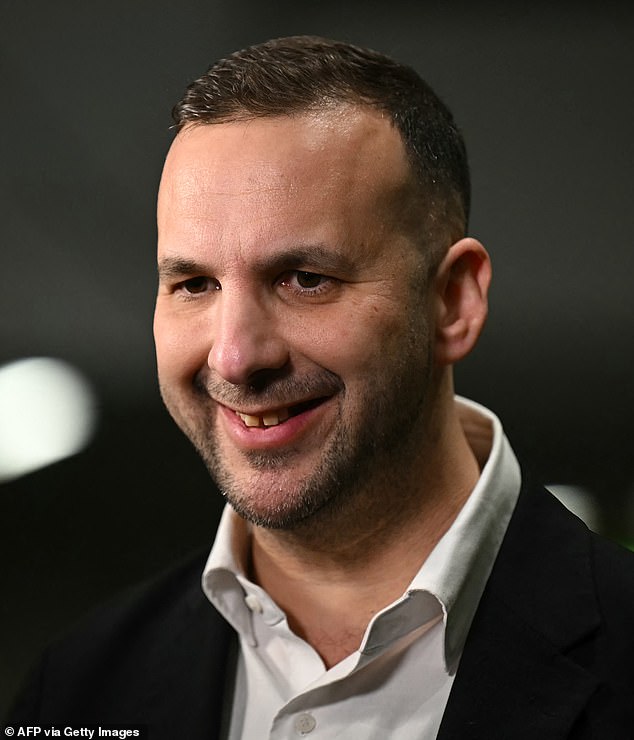
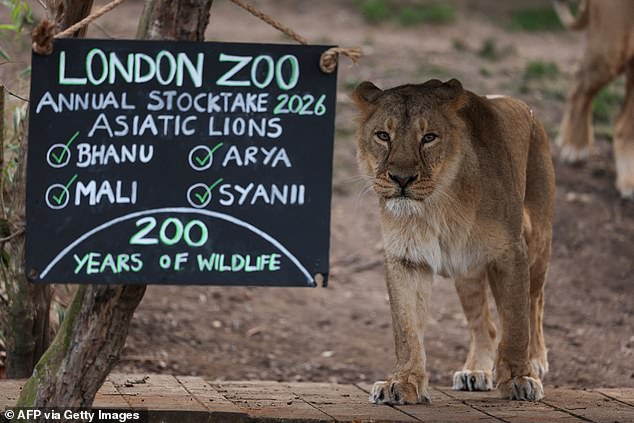
Beyond the realm of domestic pets, the Green Party’s ambitions extend to the future of zoos across the nation. Party leader Zack Polanski has voiced a desire to see zoos abolished unless they fundamentally shift their focus towards preparing animals for eventual release back into the wild. This proposal has drawn sharp criticism from those who see zoos as vital educational institutions and crucial centres for conservation efforts.
The proposed policy would permit zoos to continue operating only if they can demonstrate a commitment to wildlife rehabilitation and reintroduction programs. Zoos that actively rescue and care for injured wildlife would also be eligible for licensing under the new framework.
Critics Slam “Killjoy” Agenda
The proposed policies have been met with strong opposition from various quarters. Victoria Atkins, Shadow Environment Secretary, has been particularly vocal, stating, “The Greens are barking mad for wanting to put dog owners on a very expensive lead and shut the UK’s highly respected zoos.” She further argued, “Zoos inspire millions of children about wildlife and do vital conservation work for endangered species. The Green killjoys want to throw this all away, while making dog ownership unaffordable. It’s a dog’s dinner of a policy.” This sentiment reflects concerns that the proposed changes are overly restrictive and could alienate a significant portion of the public.

Broader Policy Landscape
The proposed animal welfare policies are part of a wider suite of proposals from the Green Party, which has been gaining traction in recent polling. Other significant policy suggestions include:
- Outlawing Horse and Greyhound Racing: The party advocates for an end to these animal sports.
- Drug Law Reform: A controversial proposal to legalise the possession of certain drugs, including heroin and crack cocaine.
- Reversing Brexit: A commitment to rejoining the European Union.
- Migrant Support: Offering homes and access to the NHS for illegal migrants.
- Infrastructure Investment: A significant shift in public spending, proposing to allocate £2.5 billion annually towards new cycleways and footpaths constructed from sustainable materials, rather than investing in repairing the UK’s pothole-ridden road network.
Green Party Defends Its Vision
In response to the criticism, a Green Party spokesperson defended their agenda, asserting, “We are a nation of animal lovers. Our policies on the cost of living, NHS, public services and the environment are proving increasingly popular with voters. Our policies on improving animal welfare we’re sure will prove just as popular.” The party maintains that their proposals are rooted in a desire to enhance animal welfare and reflect the values of a compassionate society. The debate surrounding these proposals is likely to continue as the Green Party seeks to translate its policy ambitions into tangible political action.


