
A Family’s Grief and a Call for Industry Reform: Unacceptable Standards in Funeral Care
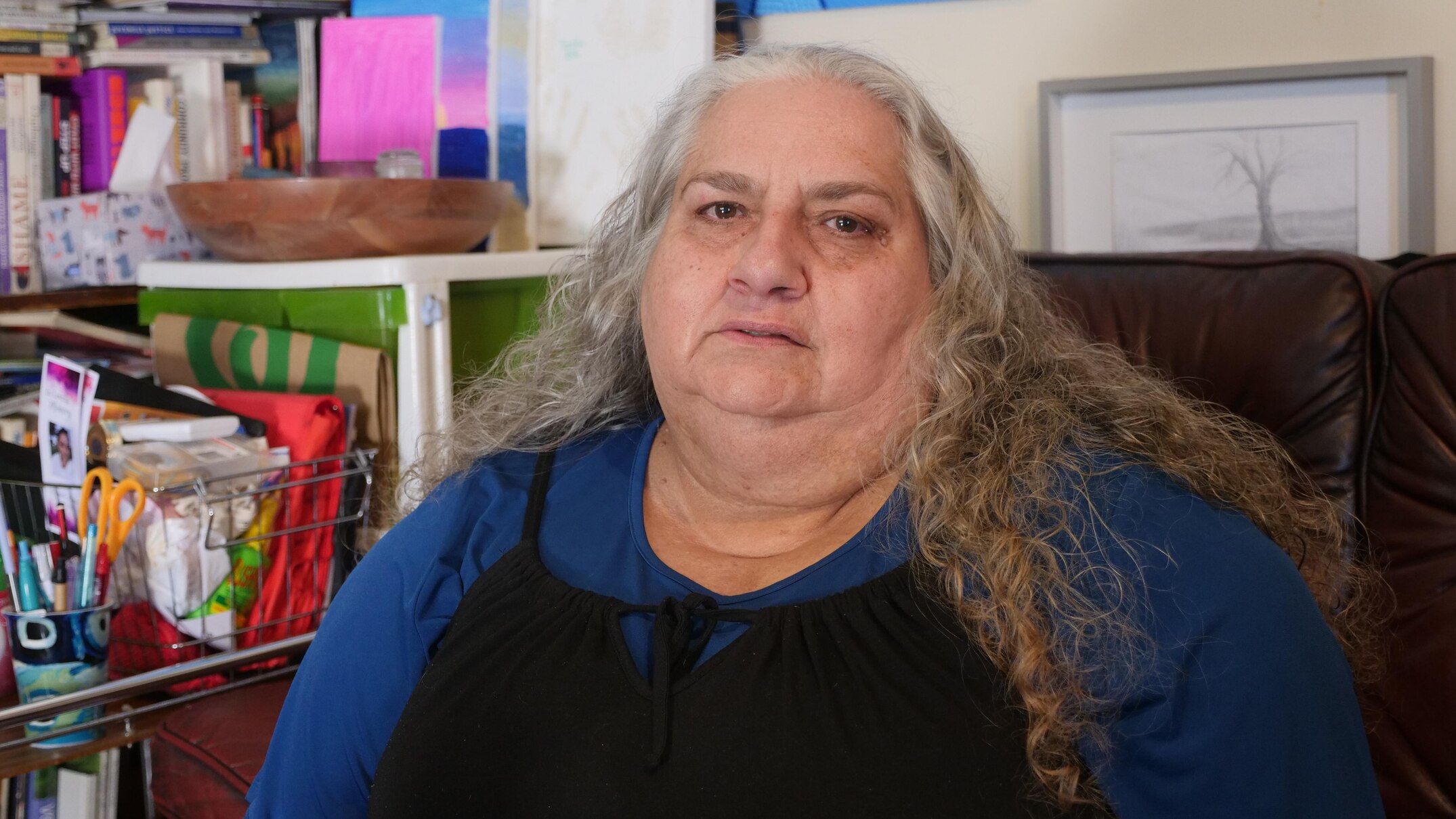
The devastating loss of a child is an unimaginable pain, and for Kerry Collard, that profound grief was compounded by deeply distressing experiences surrounding the care of her daughter, Jessica Collard Horan. Jessica, a Noongar woman, was tragically killed at the age of 39 in a car accident in regional Western Australia. She left behind four young children, aged between eight and 15, and a grieving mother grappling with the aftermath.
Ms Collard enlisted the services of a regional funeral director to manage her daughter’s final arrangements. However, she claims the care provided for Jessica’s remains fell far short of acceptable standards, leading to a harrowing ordeal for her family. When Ms Collard attempted to voice her concerns and seek resolution, she found herself repeatedly turned away by various authorities, leaving her feeling helpless and unheard. “Everybody that I’ve gone to wouldn’t help,” she recounted, her voice heavy with emotion. “There was nothing I could do.”
A Disturbing Family Viewing
Following Jessica’s passing, her remains were held by the coroner before being transferred to the funeral service. Over a period of six days, Ms Collard made repeated requests for a family viewing and the opportunity to dress her daughter. These requests, she was informed, were denied due to the condition of Jessica’s remains. The family, however, insisted.
On January 30, they finally had the opportunity to view Jessica at a facility near Perth. The scene that greeted Ms Collard was one of profound shock and distress. She described her daughter’s body as being left inside a coronial body bag, within the coffin. Jessica’s hair, which Ms Collard described as her daughter’s “pride and joy,” was matted and contained debris. Furthermore, visible wounds remained untreated. “I didn’t recognise her,” Ms Collard stated, the pain of that moment palpable.
In response to these allegations, a spokesperson for the initial funeral director stated that Jessica’s body had been with the coroner for 11 days before coming into their care. They asserted that their team had dedicated “considerable time, skill and care to her preparation,” and that the family’s viewing occurred “prior to the completion of that preparation, which was contrary to the recommendation of our staff.”
A Second Opinion Reveals Deeper Issues
Deeply disturbed by the condition of her daughter’s remains, Ms Collard made the difficult decision to cancel the initial funeral service and arrange for Jessica’s burial with a different provider. The second funeral provider, upon receiving Jessica’s body, conducted a detailed condition report, a copy of which was reviewed by the ABC.
The findings of this report painted a grim picture. Jessica’s hair was described as “heavily matted” and containing glass, sticks, dirt, and ants. The report also noted that her body was generally covered in blood, her mouth had not been set and remained open, and her nose appeared compressed and untreated. The report concluded with stark observations:
- “These observations indicate that no meaningful preparation, cleaning or restorative work had been undertaken prior to the family viewing.”
- “The condition of Jessica upon arrival was not consistent with acceptable standards of care within the funeral industry.”
A Systemic Failure to Provide Redress
Seeking some form of accountability and a refund for the services not adequately rendered, Ms Collard approached Consumer Protection Western Australia. However, the consumer watchdog informed her that the funeral provider had advised it could not issue a refund. The case was subsequently closed, with Consumer Protection explaining that “the coffin was used, and the service fee covers the behind-the-scenes work already completed, including preparation of the body and the death certificate.”
The initial funeral director reiterated their commitment to cooperating with WA Consumer Protection, stating, “When the family raised concerns, we cooperated fully with WA Consumer Protection, which independently investigated the matter and closed the case.”
Ms Collard also lodged a complaint with the regional cemetery board, which licenses funeral providers using its cemeteries. However, the board stated it lacked the jurisdiction to mediate her complaint. Crucially, they highlighted a significant systemic issue: “There is no capacity … to regulate any funeral directors and there are no Australian standards for funeral directors, so it is an unregulated industry.” Her complaint to the Metropolitan Cemeteries Board also proved fruitless, as they could not intervene in matters outside of Perth.
The Urgent Need for Industry Regulation
Concerns about the lack of regulation and inconsistent standards within the funeral industry have been escalating for years. While funeral directors can voluntarily register with national bodies like Funerals Australia or the National Funeral Directors Association of Australia, which have their own standards and ethical guidelines, these are not mandatory.
Asha Dooley, president of Funerals Australia, has voiced her concerns about the low barriers to entry in some states. “I watch new entrants come in all the time, and there are very big companies that have no experience at all,” she observed. “The way that the industry is set up is that you can get a laptop essentially and a mobile phone and you can be working out of your living room within about an hour.”
Ms Dooley is a strong advocate for the establishment of national frameworks to govern the industry. Her proposed reforms include:
- Mandatory Registration: “The first thing I would like to see is a registration of every single person who cares for a deceased.”
- Required Training: “And really importantly, I’d like to see a basic level of training required before you can care for a family.”
The tragic experience of Kerry Collard and her family underscores a pressing need for greater oversight, standardised training, and clear accountability within the funeral industry, ensuring that all grieving families are treated with the dignity and respect they deserve during their most vulnerable moments.

